



Making a bowl that tastes like it came from a fine ramen bar is more than luck; it’s a disciplined blend of premium ingredients, precise technique, and market-aware planning. This guide dives into Wagyu Chashu Uni Truffle Ramen at home (Singapore 2026) as a practical, step-by-step program you can follow in a typical Singapore kitchen. Expect a data-informed approach that weighs ingredient choices, timing, and finishing touches against real-world constraints like cost, equipment, and local sourcing. Readers will learn how to orchestrate high-quality Wagyu chashu, luxury uni, and black truffle accents into a cohesive ramen experience, while keeping a clear eye on efficiency and reproducibility. Singapore’s evolving premium grocery landscape in 2026—where e-commerce and fast delivery are transforming access to restaurant-grade ingredients—shapes the plan and the expectations for what you can achieve at home. (straitstimes.com)
As Singapore’s premium grocery and delivery market continues to professionalize, readers can leverage trusted supply channels to assemble high-end toppings and bases. Momentum Works’ 2025 GMV data shows Singapore’s food-delivery market growing to roughly US$2.9 billion, underscoring sustained demand for premium, ready-to-use ingredients and reliable delivery. This trend aligns with Miss A’s own 2026 premiumization narratives, which emphasize brand partnerships, quality sourcing, and data-driven restocking to meet discerning home cooks. The guide intentionally pairs practical kitchen steps with context on how buyers may source Wagyu, uni, and truffle affordably and consistently in 2026 Singapore. (straitstimes.com)
Section 1: Prerequisites & Setup
Tools & Equipment
- Heavy-bottom stock pot or Dutch oven (for braising and simmering tare)
- Digital thermometer and timer (for precise temperature control)
- Sharp knife and cutting board (for clean chashu slices)
- Frying pan or blowtorch (for searing and finishing)
- Fine-mesh strainer and tongs (for braising liquid and handling meat)
- Noodle pot + slotted spoon (for cooking noodles)
- Sauce bowls and an airtight container (for marinade and ajitama eggs)
- Optional: torches for aromatics and a ladle for tasting Why it matters: A well-equipped workstation minimizes guesswork and ensures repeatable results, especially when you’re coordinating multiple high-end components (wagyu, uni, and truffle). A data-driven home ramen plan benefits from precise timing, consistent temperatures, and clean workflows. For readers aiming for consistent quality, investing in a few quality tools pays off across dozens of bowls. See Miss A’s premium sourcing and delivery context for 2026 in Singapore, which aligns with a well-equipped home kitchen. (missa.sg)
Ingredients & Sourcing
- Wagyu beef (preferably well-marbled cut suitable for quick braise or chashu-style preparation)
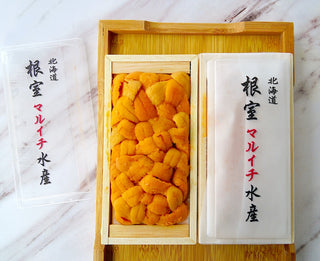
- Uni (fresh if possible; substitute with high-quality frozen if needed)
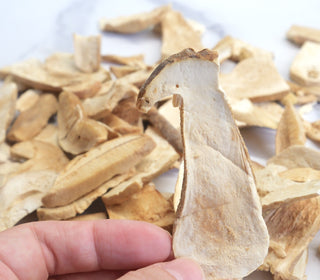
- Black truffle or truffle oil/paste (for finishing)
- Fresh ramen noodles (or high-quality dried ramen as a substitute)
- Tare base (soy-taare); alternatives include a soy-make with mirin and sake
- Broth base (dashi or light pork/chicken stock) to balance the tare
- Aromatics: garlic, ginger, scallions, and a touch of mirin or sake
- Ajitama eggs (soft-boiled and marinated)
- Soy sauce, mirin, sake, sugar, salt
- Vegetable toppings: nori, menma, green onions, and lime (optional) Why it matters: The recipe hinges on premium, authentic ingredients. Singapore’s 2026 market context favors premium grocery delivery and curated sourcing, so readers should plan purchases around reliable suppliers and clear sourcing channels. Miss A’s data-driven articles and SG trend coverage emphasize premiumization and accessible delivery, which informs both ingredient choices and logistics. (missa.sg)
Workspace & Timeline
- Allocation: 3.5–4 hours total, with active hands-on work ~90–120 minutes
- Staging: set up braising station first, then broth/tare prep, then noodle and egg work
- Storage: keep Wagyu, uni, and truffle chilled until assembly; hold noodles just before serving Why it matters: A data-informed kitchen plan helps you balance complexity with time. In 2026 Singapore, readers report growing access to premium ingredients, but the premium shopping and delivery cadence matters for planning. Allow time for marinating eggs and meat, and stagger steps to maximize flavor continuity. (straitstimes.com)
CTA after Section 1
Discover Premium Wagyu Beef
Hand-selected cuts delivered fresh to your door across Singapore.
Delivery Info →Section 2: Step-by-Step Instructions
Step 1: Plan & Shop for Premium Ingredients
What to do: Decide on the final bowl composition (Wagyu chashu style, uni topping, and a black-truffle finish) and assemble all ingredients from trusted suppliers (prioritize quality Wagyu, fresh uni, and good noodles). Create a shopping list that respects local availability and delivery windows. Why it matters: The quality of Wagyu chashu and uni is the primary differentiator between a weekend ramen and a restaurant-grade experience. 2026 SG market data shows premium grocery delivery is expanding, but it’s still essential to select trusted sources to avoid compromises in flavor and texture. (straitstimes.com) Expected outcome: A complete, organized shopping list with backups for perishable items; anticipation of timing constraints for delivery. Common pitfalls to avoid: Assuming all uni is equal; selecting a doughy noodle that overcooks; missing delivery windows that lead to last-minute substitutions.
CTA after Step 1
Explore Fine Food Picks
Curated ingredients for restaurant-quality ramen at home.
Rapid Search Results →Step 2: Prep Wagyu Chashu (Braised Style)
What to do: If you’re using Wagyu, portion into even blocks, sear thoroughly, then braise in a soy-make tare with mirin and sake for 60–120 minutes, carefully monitoring tenderness. Rest the meat in the braising liquid, then chill before slicing into medallions. Why it matters: Wagyu’s high marbling can tolerate braising, but texture can shift quickly with time. Shorter braise times preserve tenderness, while a longer braise risks losing texture. Use Just One Cookbook’s chashu framework as a baseline and adapt for Wagyu’s fat content. (justonecookbook.com) Expected outcome: Tender, sliceable Wagyu chashu with rich soy-mirin glaze. Common pitfalls to avoid: Overbraising (tough edges), uneven slicing, excessive saltiness from tare.
Step 3: Build Tare & Broth Base
What to do: Create a balanced tare (soy-based concentrate) using soy sauce, mirin, sake, and sugar; simmer briefly to meld flavors. Prepare a light broth (dashi or neutral stock) to support the ramen base. Taste and adjust salt and sweetness before combining with noodles. Why it matters: Tare is the core flavor anchor in ramen; it defines the bowl’s character. A well-made tare elevates Wagyu, uni, and truffle without overpowering delicate notes. Tare basics are widely discussed in ramen literature and recipes. (sbs.com.au) Expected outcome: A cohesive tare that harmonizes with Wagyu chashu and uni while supporting the umami backbone of the broth. Common pitfalls to avoid: Over-salting tare, neglecting balance between tare and broth, not adjusting tare after simmering.
Step 4: Prepare Noodles & Ajitama Eggs
What to do: Cook ramen noodles per package instructions until just al dente, then cool briefly. Prepare ajitama eggs by soft-boiling for 6–7 minutes, shocking in ice water, then marinating in a soy-mirin-sake mixture for 12–24 hours. Slice eggs in half just before serving. Why it matters: Noodle texture and egg flavor are critical to a satisfying ramen experience. Ajitama eggs add depth and glossy runs of yolk that mingle with tare and broth. The technique for ajitama eggs is well-established and widely documented. (kikkomanusa.com) Expected outcome: Fragrant, springy noodles with jammy, richly flavored eggs that complement Wagyu and uni. Common pitfalls to avoid: Overcooking noodles, under-seasoning eggs, too salty or overly sweet marinade.
Step 5: Assemble Bowls & Finishing Touches
What to do: Ladle hot broth into bowls, swirl in tare, and arrange Wagyu chashu medallions, uni portions, and egg halves. Finish with a light drizzle of black truffle oil or shaved truffle, scallions, and a sheet of nori. If desired, torch a little chashu surface for aroma and color. Why it matters: Finishing touches create aroma and visual appeal, which are critical for perceived flavor and overall satisfaction. Truffle and uni components benefit from minimal interference to maintain delicate brightness. Momofuku’s and other premium ramen explorations emphasize restrained finishing aromas to avoid overwhelming the core flavors. (tastingtable.com) Expected outcome: A visually appealing, restaurant-like bowl with balanced aroma and layered flavors. Common pitfalls to avoid: Overdoing truffle oil, clumping tare, or crowding the bowl with too many strong toppings.
Step 6: Taste, Adjust & Serve
What to do: Taste a small spoonful of broth before finishing, then adjust salt, sweetness, or acidity as needed. Plate with care, ensuring each bowl has an even distribution of chashu, uni, and egg. Serve promptly. Why it matters: Ramen is a dynamic dish; a quick adjustments stage ensures each serving is coherent and aligned with the intended flavor profile. Data-driven cooks often rely on small, iterative tasting to refine balance. (sbs.com.au) Expected outcome: Consistently balanced bowls across servings with clear Wagyu, uni, and truffle accents. Common pitfalls to avoid: Rushing adjustments; neglecting to reheat or rebalance after initial tasting.
CTA after Step 6
Shop Wagyu Essentials
Premium Wagyu cuts and pairing ingredients curated for home ramen.
Delivery Info →Section 3: Troubleshooting & Tips
Chashu Not Tender Enough
- What to check: Meat cut (prefer fatty blocks with stable connective tissue); braise duration; heat control.
- Why it happens: Pork chashu by tradition braises longer, but Wagyu may require shorter times; over-extending can render fat too soft or meat dry.
- Fix: Shorten braise time to preserve texture; ensure a gentle simmer (approx. 85–95°C). Use a rest in braising liquid to reabsorb moisture.
- Pro tips: Use the braising liquid as a flavor booster for eggs or as a glaze, reusing the master liquid after proper cooling and straining. This practice is common in professional ramen workflows and aligns with long-term stock management. (justonecookbook.com)
Uni Flavor & Texture Challenges
- What to check: Uni freshness; temperature; portion size; timing of adding uni to hot bowls.
- Why it matters: Uni is delicate; heat can dull its sweetness and aroma, so temperature control is key.
- Fix: Add uni at the final minute, or place portions on top just before serving; keep uni well-chilled until plating.
- Pro tips: If using frozen uni, thaw gently and pat dry; if fresh, keep refrigerated and avoid excessive handling. Uni-focused guidance in ramen contexts is often pragmatic and visually dramatic in premium ramen presentations. (sudachirecipes.com)
Broth Balance Woes
- What to check: Proportions of tare vs broth; salt balance; sweetness vs umami.
- Why it matters: A misbalanced tare can ruin the bowl; the tare is the anchor for all toppings.
- Fix: Rebalance by adjusting tare (add a touch of sugar or salt) or diluting with a small amount of clean broth. Consider testing with a separate cup before finishing bowls.
- Pro tips: Reference shoyu tare basics from reputable culinary resources to calibrate your own recipe. (sbs.com.au)
CTA after Section 3
Learn About Miss A’s Handpick Fine Food
Brand story, sourcing philosophy, and quality commitments.
About Us →Section 4: Next Steps
Advanced Techniques
- Build a personalized tare library: Create small, batch-tested tare variations (soy-forward, soy-mish, and miso-adapted) to experiment with different ramen styles at home.
- Refine the Wagyu-chashu approach: If you have access to higher-fat Wagyu, experiment with a quick sear to caramelize edges, followed by brief braising to preserve tenderness and marbling.
- Uni & truffle enhancements: Consider a micro-dose of shaved black truffle on top of the uni to heighten aroma, but avoid overpowering the umami of Wagyu and tare. These are premium finishing moves that align with 2026 SG premium grocery trends and consumer willingness to invest in high-end toppings. (missa.sg)
Related Resources
- Miss A’s premium grocery delivery insights (2026 SG market trends and AI-assisted planning). (missa.sg)
- Straits Times coverage of ramen trends and ingredient-conscious dining in Singapore. (straitstimes.com)
- Momentum Works data on SG food-delivery growth and implications for premium ingredients. (straitstimes.com)
CTA after Section 4
Shop Our Premium Ramen Lineup
Wagyu, uni, and truffle toppers designed for home chefs.
Rapid Search Results →Closing In this guide, you learned a data-informed path to Wagyu Chashu Uni Truffle Ramen at home (Singapore 2026). The approach balances premium sourcing, precise braising and tare construction, and strategic finishing to replicate the depth and aroma of a luxury ramen bowl. By aligning with Singapore’s evolving premium grocery landscape and leveraging Miss A’s 2026 coverage of premium ingredients, readers can craft a step-by-step, repeatable method that delivers consistent quality without compromising on the experience. As you practice, you’ll develop a sense of timing and balance that elevates your home ramen from a nightly meal to a celebrated centerpiece.
If you try this guide, consider sharing your results and refining your tare and Wagyu prep to suit your local market. The techniques translate beyond Wagyu chashu and uni; once you’ve mastered the core steps, you can experiment with other premium toppings or regional twists while maintaining the elegance of a well-constructed bowl.