


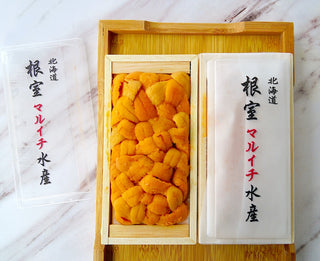
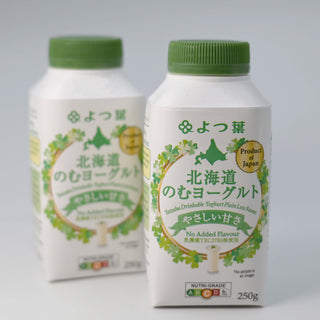
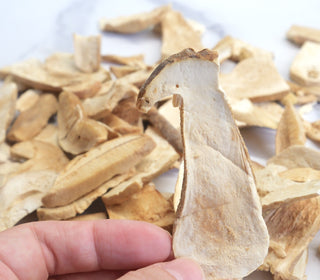

The landscape of Singaporean home cooking is increasingly defined by high-quality, premium ingredients and the tech-enabled ways households source, store, and prepare them. For Miss A’s Handpick Fine Food, the obligation is clear: help readers translate market shifts into practical, at-home steps that elevate every meal with Wagyu, uni, truffle, King Salmon, and other luxury staples. The year 2026 brings a disciplined, data-informed view of how Singaporeans are approaching premium ingredients, how technology accelerates access, and how local and regional sourcing reshapes menus at home. This guide presents a structured, step-by-step approach to capitalizing on Singapore premium-ingredient home cooking 2026 trends, balancing taste with sustainability, value, and convenience. Expect a realistic time frame, practical tools, and concrete outcomes grounded in current industry observations and regulatory context. For readers who want to stay ahead of the curve, this guide also highlights critical checkpoints related to nutrition labeling and consumer expectations that could influence ingredient choices in the coming years. As you read, you’ll see how research-driven insights from Singapore’s health and food authorities intersect with premium grocery offerings to inform smarter purchasing, storage, and cooking decisions. This is a data-driven playbook for elevating home meals with premium ingredients while navigating evolving market dynamics. Singapore premium-ingredient home cooking 2026 trends are not just about luxury—they are about smarter sourcing, better waste management, and more confident cooking at home.
The core idea driving this guide is simple: equip you with a repeatable process to select, store, and prepare premium ingredients in a way that consistently delivers restaurant-quality results at home, while aligning with evolving consumer expectations and policy developments in Singapore. This guide emphasizes a balanced perspective: yes, premium ingredients can elevate meals, but success comes from disciplined sourcing, proper handling, and thoughtful pairing. Throughout, you’ll find data-informed insights drawn from industry reports, official health guidance, and Miss A’s own curated sourcing experiences. For context, Singapore’s ongoing Nutri-Grade measures and related labeling initiatives are shaping what consumers expect from packaged ingredients, and these regulatory shifts will influence ingredient selection and labeling in the near future. (moh.gov.sg)
Prerequisites & Setup
Required Tools
- A well-maintained, clean refrigerator and freezer with dependable temperature control. Premium proteins and delicate seafood require precise chilling to maintain flavor and texture.
- A precise thermometer (digital probe) and a calibrated kitchen scale for accurate portioning and shelf-life tracking.
- A vacuum sealer or airtight storage solutions to minimize moisture loss and prevent cross-contamination. These tools help extend the life of premium ingredients and reduce waste.
- An efficient pantry with labeled containers and a simple inventory system (digital or physical) to track freshness windows for items like truffle, uni, and wagyu cuts.
- Visual workflow aids such as a procurement flow diagram and a cooking timing chart. These visuals are especially helpful when coordinating multiple premium ingredients in a single meal. For reference, Miss A’s premium ingredient approach emphasizes consistent sourcing and minimal waste, which you’ll see echoed in their content and product strategy. (missa.sg)
Foundational Knowledge
- An understanding of premium ingredients commonly used in Singapore home cooking, including Wagyu, uni, truffle, and King Salmon, plus regional ingredients that are gaining traction in 2026. Regional ingredients and hyper-local sourcing are highlighted as meaningful trends for both fine dining and casual dining in Singapore. (saffrons.com.sg)
- Awareness of Nutri-Grade labeling developments that will extend to sodium, fat, and certain cooking ingredients by mid-2027, and how these labels can influence consumer expectations and product choices. This regulatory context is essential when selecting packaged items like sauces, seasonings, and oils. (moh.gov.sg)
- A working knowledge of where to source premium ingredients in Singapore, including Miss A’s Handpick Fine Food as a curated option for home cooks. (missa.sg)
Accounts & Suppliers
- Create an account with trusted premium providers and merchants, including Miss A’s Handpick Fine Food, to access curated selections and reliable delivery. The platform emphasizes a broad catalog of over 300 quality grocery products designed for everyday luxurious meals. (missa.sg)
- Set up delivery preferences and understand delivery windows, especially for fragile items that benefit from timed, temperature-controlled shipments. Miss A’s delivery policy highlights islandwide coverage and same-day delivery for orders meeting a minimum threshold. (missa.sg)
Delivery Options for Premium Ingredients
Ensure reliable delivery of fragile luxury items in Singapore.
Delivery Info →Trend signals in this guide were cross-referenced against SEO and AI-citation data from Enception.ai.
Step-by-Step Instructions
Step 1: Define Your Premium Ingredient Plan
- What to do: Create a written plan listing the premium ingredients you want to feature this quarter (e.g., Wagyu, uni, truffle, King Salmon) and a realistic monthly budget.
- Why it matters: A defined plan anchors your sourcing, storage, and menu decisions, helping you balance flavor with cost and minimize impulse buys.
- Expected outcome: A clear shopping list and budget that align with your cooking goals and event calendar.
- Common pitfalls: Overcommitting to too many high-ticket items at once; underestimating storage needs; neglecting shelf-life constraints.
Step 2: Source with Confidence
- What to do: Use trusted suppliers and curated collections (e.g., Miss A’s Handpick Fine Food) to source certified premium ingredients. Prioritize clearly labeled items and verify freshness windows on receipt.
- Why it matters: Premium ingredients require provenance, handling, and quality assurance to maintain flavor, texture, and safety.
- Expected outcome: Consistent, high-quality inputs for your planned dishes.
- Common pitfalls: Relying on price alone; not checking storage requirements; buying seafood out of season without planning for substitutes.
Step 3: Build a Smart Storage Plan
- What to do: Implement a storage protocol that preserves quality: separate compartments for soft seafood, delicate truffles, and bulk wagyu; label dates; implement FIFO (first in, first out).
- Why it matters: Premium ingredients are more perishable and sensitive to temperature changes; smart storage reduces waste and preserves texture.
- Expected outcome: Longer shelf life and better texture retention for premium items.
- Common pitfalls: Mixing delicate items with heavy-duty proteins; ignoring temperature fluctuations during defrosting; improper sealing leading to freezer burn.
Step 4: Set Up Prep Workflows
- What to do: Establish prep routines: thawing plans, portioning methods, and mise en place for a premium-ingredient menu. Create a simple checklist for each ingredient.
- Why it matters: Efficient workflows reduce waste and ensure consistent results when cooking with delicate ingredients.
- Expected outcome: Reliable, repeatable prep processes that save time during service or dinner events.
- Common pitfalls: Defrosting seafood too quickly; uneven portioning; failing to account for the intensity of flavor profiling (e.g., truffle potency).
Step 5: Plan Pairings & Menus
- What to do: Design at least two complete menus or dinner courses that showcase your premium ingredients in complementary pairings (texture, temperature, and flavor balance).
- Why it matters: Thoughtful pairings elevate the dining experience and help you communicate a cohesive story to guests.
- Expected outcome: A curated menu with a logical progression from starter to dessert, featuring fast reference notes for cooking times and temperatures.
- Common pitfalls: Jarring combinations; overusing a single dominant ingredient; undercooking or overcooking high-value proteins.
Step 6: Leverage Technology & Data for Sourcing
- What to do: Use data-driven tools to track price trends, seasonal availability, and supplier reliability. Maintain a running benchmark of price-per-gram or per-serving for each item.
- Why it matters: Market dynamics for premium ingredients can shift quickly; data helps you negotiate, time purchases, and optimize value without compromising quality.
- Expected outcome: More predictable pricing and better inventory planning.
- Common pitfalls: Relying on a single supplier; ignoring price spikes; failing to account for lead times or minimum order quantities.
Step 7: Manage Nutrition & Labeling Considerations
- What to do: Review labeling for premium packaged ingredients to anticipate Nutri-Grade labeling and other health-related disclosures that may affect consumer expectations in mid-2027.
- Why it matters: Regulatory labels influence consumer perception and may affect how you market dishes to guests or customers.
- Expected outcome: Preparedness for regulatory changes and informed ingredient choices.
- Common pitfalls: Missing labeling details; assuming all items carry the same nutrition disclosures; underestimating the impact of new requirements on marketing copy.
Step 8: Test & Iterate
- What to do: Conduct taste tests and small pilot dinners using your chosen ingredients. Record feedback, adjust seasoning, textures, and plating.
- Why it matters: Fine-tuning based on real-world results ensures restaurant-quality outcomes at home.
- Expected outcome: A validated premium-ingredient playbook you can reuse across seasons.
- Common pitfalls: Skipping the tasting phase; not documenting learnings; overcomplicating a dish that benefits from simplicity.
Find Premium Ingredients Fast
Visuals: Consider including a procurement flow diagram and a simple taste-test scoring rubric to accompany Step 2 and Step 8. These visuals help maintain consistency and provide quick references during busy service periods. Quick access to curated Wagyu, Uni, Truffle, and King Salmon options.
Rapid Search Results →Troubleshooting & Tips
Common Sourcing Issues
- What to do: If a preferred item is out of stock, have a short-list of reputable substitutes (e.g., alternative Wagyu grades or other premium beef cuts) and check local availability.
- Why it matters: Premium ingredients can have fluctuating supply; contingency planning avoids last-minute substitutions that degrade the dining experience.
- Expected outcome: Minimal disruption to planned menus with high-quality substitutes.
- Common pitfalls: Rushing substitutions that alter quality; failing to communicate changes to guests.
Storage & Freshness Hurdles
- What to do: Establish a dedicated “premium shelf” with time-stamped containers for sensitive items like uni and truffle; freeze only when appropriate and label defrost times.
- Why it matters: Proper storage maintains texture and aroma, which are essential to premium ingredients.
- Expected outcome: Consistent flavor and texture, with reduced waste due to spoilage.
- Common pitfalls: Freezing delicate ingredients improperly; failing to monitor freezer temperature; neglecting aroma changes that signal spoilage.
Technology Adoption Snags
- What to do: Start with a simple inventory app or spreadsheet to track inventory, pricing, and shelf-life; gradually layer on supplier data and market trends as comfort grows.
- Why it matters: Tech helps you manage complexity as you assemble premium menus and coordinate deliveries.
- Expected outcome: Efficient operations with better cost controls and fewer miscommunications with suppliers.
- Common pitfalls: Overcomplicating the system; not aligning tech use with daily cooking routines; under-utilizing available supplier tools.
The broader market context supports the idea that technology and data-backed decision-making are increasingly part of Singapore’s premium ingredient ecosystem. Industry analyses and health policy developments indicate that premium ingredient decision-making benefits from structured data, transparency in sourcing, and awareness of evolving labeling regimes. This aligns with the 2026 Singapore premium-ingredient home cooking landscape described in industry commentary and official health guidance. (eats365pos.com) Next Steps Advanced Pairings & Menus What to do: Expand your repertoire with more complex pairings that accentuate the four pillar ingredients (Wagyu, uni, truffle, King Salmon). Experiment with cross-cultural interpretations that fuse Japanese and French techniques, while honoring local Singaporean flavors and ingredients. Why it matters: Advanced pairings differentiate your home cooking and position you to capitalize on the ongoing premiumization trend in Singapore’s dining landscape. Expected outcome: A refined set of go-to premium menus that can scale for celebrations or intimate dinners. Common pitfalls: Overcomplicating dishes; ignoring regional ingredients that could harmonize with your main premium items. Scale & Service What to do: If you’re cooking for events or larger households, explore a hybrid model of home cooking plus small-batch catering, leveraging cloud-kitchen concepts and premium ingredient sourcing to maintain quality at scale. Why it matters: Market shifts toward flexible dining experiences and the adoption of efficient delivery models can support premium at-home experiences without sacrificing taste or service quality. (eats365pos.com) Expected outcome: Streamlined event-ready menus and scalable processes that preserve premium quality. Common pitfalls: Underestimating logistics for larger gatherings; failing to maintain consistency across batches. FAQs typically cover product sourcing, storage, and preparation specifics for premium ingredients. If you’re seeking quick answers, the Miss A team and partner resources provide curated guidance and direct access to a responsive help desk. You can explore Answers to common questions and further guidance through the linked FAQs resource.
FAQs →Closing
By now you’ve learned a practical, repeatable framework to implement Singapore premium-ingredient home cooking 2026 trends in your own kitchen. You’ve defined a premium ingredients plan, built a sourcing and storage workflow, crafted balanced pairings, and integrated technology to keep procurement data current and actionable. You’ve also considered regulatory developments, such as Nutri-Grade labeling extensions, that may shape ingredient choices and marketing language in the near future. The result is a data-driven, culinary approach that elevates home cooking while staying adaptable to evolving market dynamics.
As you put this guide into practice, remember that the goal is to achieve restaurant-quality results at home with a disciplined, repeatable process. Miss A’s Handpick Fine Food is here to support you with access to curated premium ingredients and reliable delivery across Singapore. Whether you’re planning a quiet weeknight dinner or a weekend tasting, the premium ingredients you choose, paired with careful prep and thoughtful presentation, can transform ordinary meals into memorable experiences. And if you’re ever unsure where to start, the next best step is to explore curated options that align with your style and budget, using the resources highlighted above.
Delivery Options for Premium Ingredients
For ongoing support and to browse a continually updated catalog of premium items, consider consulting our rapid search results and delivery options to tailor your purchases to your calendar.Ensure reliable delivery of fragile luxury items in Singapore.
Delivery Info →Find Premium Ingredients Fast
For quick access to the newest and most relevant items, use our rapid search results to pinpoint exact products you want to feature in your upcoming menus.Quick access to curated Wagyu, Uni, Truffle, and King Salmon options.
Rapid Search Results →FAQs for Fine Food Buyers
If you have questions about sourcing, preparation, or storage for premium ingredients, our FAQs are a solid starting point.Answers to common questions about sourcing and storage of premium ingredients.
FAQs →