




The Seasonal Premium Fish Masterclass for Singapore Homes 2026 offers a practical, data-driven approach to sourcing, handling, and pairing premium fish and shellfish at home. This guide focuses on three centerpiece ingredients—King Salmon, Hamachi (yellowtail), and Uni (sea urchin)—and translates culinary best practices into actionable steps tailored for Singaporean homes, markets, and dining expectations. Readers will learn how to plan a balanced tasting menu, evaluate fish quality, prepare sashimi-style selections, and plate dishes that highlight natural flavors while maintaining food safety. The aim is to empower home cooks and enthusiasts with methodologies used in professional kitchens, adapted for home kitchen realities and Singapore’s food-safety landscape.
This guide brings together market insights, sourcing strategies, and hands-on techniques supported by current safety guidelines and expert recommendations. You’ll discover how to navigate local suppliers in Singapore, how to verify seafood quality, and how to execute precise flavor pairings that suit Singaporean palates and dining contexts in 2026. By the end, you’ll have a repeatable framework for creating elegant, restaurant-quality pairings at home, along with troubleshooting tips to handle common variability in raw seafood. For readers seeking to advance beyond basics, this guide also maps out next steps into more advanced pairing experiments and sourcing networks, all anchored in data-driven analysis and professional practice. As you read, you’ll encounter concrete steps, practical cautions, and resources to help you make confident decisions about Season al Premium Fish Masterclass experiences for Singapore homes in 2026.
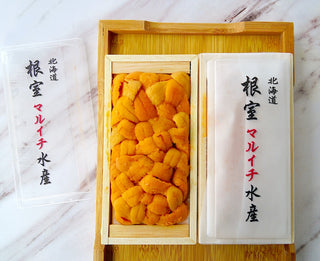
In this Season al Premium Fish Masterclass for Singapore Homes 2026, we’ll explore how to source premium ingredients like King Salmon, Hamachi, and Uni, assess freshness and safety, and execute a refined tasting menu that captures texture, aroma, and balance. You’ll see how to align shopping choices with practical timelines, how to minimize waste, and how to set up a workspace that supports precise knife work and plating. We’ll also discuss how to adapt professional-level plating aesthetics to a home kitchen, including how to stage a simple tasting flight that highlights the interplay between buttery salmon, briny uni, and the bright citrus notes that lift hamachi pairings. This approach is designed to be accessible yet rigorous, providing a clear path from planning to presentation without overwhelming readers with jargon or unattainable requirements.
Prerequisites & Setup
This section defines what you need before starting Seasonal Premium Fish Masterclass for Singapore Homes 2026. The goal is to create a solid foundation so Step 1 and beyond proceed smoothly, with safety and quality as non-negotiables. The guidance draws on Singapore’s food safety standards and reputable sources on premium fish sourcing and sashimi preparation.
Essential knowledge for home fish preparation
- Understand the basics of sashimi-grade quality and home safety. In Singapore, raw fish used for sushi or sashimi requires careful handling to minimize food safety risks; authorities emphasize hygienic preparation, cold-chain integrity, and avoiding raw consumption of non-grocery fish where not intended for raw use. This context helps you select appropriate products and follow safe practices at home. (moh.gov.sg)
- Recognize differences between premium king salmon and other salmons. King salmon (often labeled Ōra or NZ King Salmon) is widely regarded for its texture, marbling, and suitability for raw preparation when sourced from reputable farms. These distinctions guide how you evaluate quality and plan pairings. (kingsalmon.co.nz)
Tools, equipment, and workspace
- Sharp slicing knives and a stable cutting board: essential for precise sashimi cuts and even portions.
- Temperature-controlled storage: a dedicated fridge drawer or prep area that maintains near 0–4°C (32–39°F) for raw fish handling.
- Insulated bag and cooler packs: helpful for transporting fresh fish home from Singapore suppliers and preserving cold-chain integrity during short trips from store to kitchen.
- Portioning scales or a simple measuring cup for consistent tasting portions and pairing samples.
Cited sources note Singapore’s emphasis on hygiene, temperature control, and clean handling for raw seafood in both retail practice and consumer guidance. Having the right tools and setup reduces risk and improves consistency across all steps. (sfa.gov.sg)
Sourcing and trusted suppliers
- For King Salmon, look to premium suppliers with traceable sourcing. MisA’s Handpick Fine Food (Miss A) offers New Zealand King Salmon portions and emphasizes freshness and reliable delivery in Singapore, reflecting the domestic market’s interest in premium sashimi-grade products. (missa.sg)
- Readily available Singapore suppliers include local and regional seafood shops and online platforms with home delivery options, including those listing NZ King Salmon fillets or portions. Checking product pages for “sashimi grade” or explicit raw-suitability notes is wise, and even premium shops can provide guidance on best-use cases. (fishmart.sg)
Safety considerations and regulatory context
- Singapore’s food-safety framework emphasizes hygiene practices, proper storage, and clear guidance around raw seafood. When preparing raw fish at home or consuming products marketed for raw use, adhere to guidelines around temperature control, hand hygiene, and avoiding cross-contamination. The Singapore Food Agency (SFA) provides specific tips on raw seafood handling and safety for consumers and establishments. (sfa.gov.sg)
- For consumers weighing raw seafood choices, it’s prudent to be aware of local advisories and to prefer products described as sashimi-grade or explicitly suitable for raw consumption, especially when buying from markets or online vendors. In many jurisdictions, guidelines stress that proper freezing, storage, and handling are critical to safety, particularly for raw or lightly processed seafood. (moh.gov.sg)
Visuals and planning aids
- Create a simple checklist or a one-page planning board: supplier contact, product type (King Salmon, Hamachi, Uni), quantity, storage plan, intended serving date, and any special preparing steps (e.g., citrus brightening, ponzu components). A simple visual aid (layout diagram) helps keep your setup organized.
Step-by-Step Instructions
This core section translates professional, data-informed techniques into actionable home practices. Each step includes what to do, why it matters, the expected outcome, and common pitfalls to avoid. Visuals or photos are recommended where helpful to demonstrate knife techniques, plating, and portion sizing.
Step 1: Plan your menu
- What to do
- Define a 2–4 person tasting menu centered on King Salmon, Hamachi, and Uni. Map an order that alternates rich (King Salmon) with clean, briny (Uni) and bright-citrus (Hamachi) notes.
- Decide on accompaniments: citrus segments (yuzu, lemon), light soy or ponzu, wasabi, microgreens, and perhaps a crisp cracker or lightly salted rice crisps for texture contrast.
- Why it matters
- A well-structured flight helps guests perceive contrasts in texture, aroma, and flavor. It also ensures the strongest pairings aren’t overwhelmed by one dominant element.
- Expected outcome
- A clear, repeatable menu plan with precise portioning and timing for shopping and prep.
- Common pitfalls to avoid
- Overloading the plate with too many competing flavors; under-salting the salmon; mismatching citrus intensity with Uni.
Tip: Start with a simple sequence: King Salmon sashimi, Hamachi with citrus notes, Uni as a standout neutral-briny feature, then a light palate cleanser if you plan to serve a fourth course. For inspiration on pairing strategies and the role of citrus and brine, consider uni pairing guides from culinary resources and wine/food pairing perspectives. (wineenthusiast.com)
Step 2: Source high-quality ingredients
- What to do
- Confirm your King Salmon, Hamachi, and Uni come from reputable vendors, ideally with clear cold-chain handling and product notes about sashimi suitability.
- For King Salmon, consider NZ King Salmon or Ora King-grade options from trusted suppliers and ensure the product is displayed or labeled for raw consumption where applicable. Verify delivery windows that minimize time out of refrigeration.
- Why it matters
- Quality and handling directly influence texture, flavor, and safety. Premium king salmon is known for marbling and texture suitable for sashimi when handled properly. (kingsalmon.co.nz)
- Expected outcome
- Fresh, sashimi-appropriate ingredients delivered with packaging that maintains cold-chain integrity.
- Common pitfalls to avoid
- Buying fish not explicitly labeled for raw consumption or with vague storage notes; choosing products with dull color or off-odors.
Visual cue: photograph packaging and the fish’s marbling when you first receive it; note the color, texture, and any labeling about sashimi readiness.
Step 3: Prep your workspace and verify storage
- What to do
- Set up a clean, cold workspace. Keep a thermometer nearby to monitor refrigerator and seafood temperatures. Unwrap and wipe surfaces with a clean, sanitized cloth before starting.
- Pre-chill serving plates and any small bowls or sauces you plan to use.
- Why it matters
- Maintaining cold-chain integrity minimizes bacterial growth and preserves texture. Singapore’s guidelines stress hygienic handling and appropriate temperatures for raw seafood. (sfa.gov.sg)
- Expected outcome
- A sanitized, temperature-controlled prep area that supports precise knife work and safe handling.
- Common pitfalls to avoid
- Allowing fish to warm to room temperature too early, which reduces texture quality and increases safety risk.
Visual cue: label a dedicated “raw fish” prep zone separate from cooked foods to avoid cross-contamination.
Step 4: Knife skills and sashimi cuts
- What to do
- Trim off any discolored edges and pat dry. Slice King Salmon across the grain into uniform, 5–8 mm thick sashimi slices; trim Hamachi into thin, even pieces; slice Uni gently if needed to present as a clean mound or caviar-like dollops depending on your plate design.
- Why it matters
- Consistent cuts ensure even texture and mouthfeel across courses; proper trimming removes bitter edges and ensures clean plating.
- Expected outcome
- Precisely cut sashimi pieces with clean edges and uniform thickness that hold shape when plated.
- Common pitfalls to avoid
- Dull knives causing ragged edges; uneven slice thickness compromising texture; overhandling delicate Uni, which can bruise easily.
Visual cue: a close-up shot showing a perfectly sliced King Salmon sashimi with a bright orange color, and Hamachi with a smooth, pale-pink hue.
Step 5: Build flavor balance with citrus, soy, and brine
- What to do
- Create a light ponzu or citrus-soy dip for Hamachi and a simple soy-based dip for King Salmon, if desired. For Uni, minimal handling and a clean splash of citrus helps enhance its intrinsic sweetness.
- Consider a tiny dab of wasabi or a light brush of yuzu kosho for aroma, not overwhelm.
- Why it matters
- Citrus brightness and umami accents complement rich salmon and briny Uni without masking their flavors. Uni often benefits from restraint to showcase its delicate sweetness and oceanic notes.
- Expected outcome
- Balanced plates where each element enhances the others rather than competing for attention.
- Common pitfalls to avoid
- Over-saucing; using sauces that overpower the fish’s natural flavors; serving Uni with overpowering garnishes.
Pro tip: Uni’s flavor profile is briny, creamy, and intense; pairing it with a small citrus note and a clean, low-acid soy or ponzu allows the Uni to shine. For general Uni pairing guidance, see expert guides on uni pairings and wine or sake considerations. (globalseafoods.com)
Step 6: Plate for impact and serve
- What to do
- Plate with a clean, minimal aesthetic. Alternate the sashimi pieces on a chilled slate or ceramic plate, using small dollops of citrus elements, microgreens, and a delicate lime or yuzu zest to brighten the plate.
- Include dipping options (a small dish of ponzu or light soy) and a neutral palate cleanser between bites (e.g., cucumber or daikon ribbons).
- Why it matters
- Visual appeal and controlled aroma elevate the tasting experience; plating that preserves temperature and texture contributes to overall enjoyment.
- Expected outcome
- A restaurant-quality plate that highlights the fish’s color, marbling, and texture while enabling guests to focus on each pairing.
- Common pitfalls to avoid
- Crowd-pleasing overload or plating that causes cross-flavors; plates that are not pre-chilled or fail to retain temperature.
Visual cue: a gallery-style plate showing King Salmon sashimi with uni garnish and Hamachi slices arranged with citrus segments for color contrast.
Step 7: Safety check and post-service handling
- What to do
- After serving, refrigerate any leftovers promptly (ideally within two hours of plating) and keep at safe temperatures. If you’re considering longer storage, note that raw fish safety guidelines emphasize strict time-temperature controls. (moh.gov.sg)
- Why it matters
- Food safety is critical for raw seafood. Immediate refrigeration minimizes bacterial growth and preserves quality for any potential second-service use.
- Expected outcome
- Safe, well-handled leftovers and a clear plan for next-day use or disposal if not consumed.
- Common pitfalls to avoid
- Leaving leftovers at room temperature for extended periods; mismanaging storage containers.
Tip: When transporting raw seafood from supplier to home, keep it in a cooler with ice packs and minimize the time out of refrigeration. Several Singapore suppliers emphasize the importance of maintaining cold-chain during transit. (fishmart.sg)
Troubleshooting & Tips
This section covers common issues that home cooks encounter with Seasonal Premium Fish Masterclass experiences for Singapore Homes 2026 and offers practical fixes and optimization ideas. Each subsection includes actionable remedies and references to regulatory guidance where relevant.
Freshness and texture issues
- Symptom: Salmon appears pale, mushy, or lacks marbling.
- Action: Re-evaluate sourcing; request recent harvest date and ensure proper cold-chain on delivery. If malleable, avoid serving raw. Seek vendors with documented handling practices and traceability. NZ King Salmon is commonly highlighted for its marbling and texture, but quality depends on handling from farm to fork. (kingsalmon.co.nz)
- Symptom: Uni tastes overly briny or strong, failing to balance with citrus.
- Action: Use Uni as a highlight rather than a base; pair with mild, bright citrus notes to balance. Consider a small amount of neutral base like cucumber or blanched wakame in the tasting to provide contrast. Uni flavor can vary with freshness; reference uni pairing resources for guidance on balancing intensity. (globalseafoods.com)
Safety and storage concerns
- Symptom: Raw fish has an off odor or slimy texture.
- Action: Do not use; discard safely to avoid cross-contamination. Ensure your fridge is at proper temperatures (ideally around 0–4°C). Review Singapore’s raw-fish safety guidance and verify storage conditions with your supplier. (sfa.gov.sg)
- Symptom: Unclear labeling or uncertain raw-use suitability.
- Action: Prefer products explicitly labeled for raw consumption or sashimi-grade when available; contact vendors for clarification if labeling is ambiguous. Singapore’s guidance stresses reliance on proper labeling and hygienic handling for raw seafood. (sfa.gov.sg)
Plating and flavor balance challenges
- Symptom: Dishes feel top-heavy with salt or acid, masking the fish.
- Action: Scale back sauces and use citrus to alert the palate rather than overwhelm it. In practice, a light ponzu or lemon zest can lift without overpowering. Uni and Hamachi benefit from controlled acid without drowning the natural sweetness of the fish. (wineenthusiast.com)
- Symptom: Hamachi tastes dull despite good fish.
- Action: Ensure precise knife cuts that expose the surface area and allow aroma to release; serve Hamachi with a citrus element to brighten. Pairing hamachi with a subtle yuzu or lemon essence can help. (honest-catch.com)
Pro tips and optimization
- A practical approach to pairings: use a tasting flight strategy where each course builds on the previous one. Start with King Salmon’s rich texture, move to Hamachi for brightness, and finish with Uni for a luxurious finish. Consider modest citrus to bridge flavors between courses.
- Visuals and plating: include a step-by-step photo sequence showing sashimi cuts, plate arrangement, and pairing components. Photos improve confidence and consistency for home cooks and are particularly useful for social sharing and education.
- Temperature management: keep raw fish near 0–4°C until plating; avoid letting it come to room temperature too early to preserve texture. Professional guidance emphasizes cold-chain integrity for raw seafood. (sfa.gov.sg)
Recommended resources for troubleshooting
- Singapore’s SFA safety tips for raw seafood handling and risk management. (sfa.gov.sg)
- MOH and Singapore government advisories highlighting the importance of safe handling and temperature controls. (moh.gov.sg)
- Supplier pages for premium King Salmon options in Singapore and the role of sashimi-grade claims in product listings. (missa.sg)
Next Steps
Beyond the core steps, here are advanced techniques and resources to expand Seasonal Premium Fish Masterclass experiences for Singapore Homes 2026. This section helps you scale from a single tasting to a disciplined program of pairings and sourcing.
Advanced pairings and technique refinements
- Experiment with alternative citrus and aromatics to tailor contrasts. For Uni, consider sake or light wines that complement briny sweetness while avoiding overpowering the sea-urchin’s creamy texture. Wine Enthusiast’s uni pairing guidance provides broader context for balancing uni with beverages. (wineenthusiast.com)
- Explore citrus-forward sauces and condiments that lift flavor without drowning the fish. Ponzu, yuzu kosho, and light soy-based dressings are common in Japanese-inspired presentations and can be adapted for home use without heavy sauces. Studying common condiments used with Hamachi and Uni can inform your own adaptations. (en.wikipedia.org)
Sourcing networks and ongoing inventory
- Build relationships with Singapore-based suppliers that regularly offer premium NZ King Salmon and sashimi-grade options. Miss A’s online shop in Singapore provides ongoing access to NZ King Salmon and related premium seafood products, making it a practical model for home cooks seeking reliable quality. (missa.sg)
- Consider diversifying suppliers to ensure year-round access to King Salmon, Hamachi, and Uni. Using a mix of local and international suppliers can stabilize availability and price while preserving quality. Local delivery platforms such as FishMart and SG Freshmart illustrate how Singaporeans access fresh seafood with home delivery options. (fishmart.sg)
Related practices and broader context
- Continue to monitor safety guidelines for raw seafood in your local area, particularly if you experiment with marinated raw preparations or more complex sashimi preparations. Singapore’s regulatory bodies provide ongoing guidelines to help consumers manage risk while enjoying high-quality seafood. (sfa.gov.sg)
Concluding your expansion plan
- After you complete the initial Seasonal Premium Fish Masterclass for Singapore Homes 2026 guide, consider documenting your experiences with photos and notes to build a personal library of pairings, textures, and presentation styles. This library can then inform future tasting menus, seasonal variations, and guest-friendly dining experiences at home.
Closing
The Seasonal Premium Fish Masterclass for Singapore Homes 2026 equips you with a practical, data-driven framework to source, handle, and pair King Salmon, Hamachi, and Uni in a home kitchen. By planning thoughtfully, preparing with hygiene and temperature controls in mind, executing precise knife work, and balancing flavors with restraint, you can deliver a professional-level tasting experience that honors the fish’s natural qualities. The guide emphasizes safe practices aligned with Singapore’s food-safety guidelines while providing actionable steps to elevate your home dining program.
As you begin applying these methods, remember that quality and safety are inseparable partners. Source from reputable suppliers, maintain cold-chain integrity, and let the fish’s texture and aroma guide your seasoning and plating choices. Whether you’re cooking for a small family dinner or an intimate tasting with friends, the principles outlined here are designed to scale with your ambitions and resources, helping you achieve consistently excellent results in 2026 and beyond.
If you’re ready to take the next step, start by selecting your King Salmon, Hamachi, and Uni from trusted Singapore suppliers, and use the step-by-step framework outlined above to plan a balanced three- to four-course tasting sequence. Document your outcomes, adjust flavors and portions, and continue to refine your technique with the same disciplined approach you’d apply in a professional kitchen. The Season al Premium Fish Masterclass is not just a one-off recipe—it's a replicable system for at-home excellence in premium seafood pairings.