



Seafood Donburi Luxe: King Salmon, Hamachi, Uni & Truffle at Home (Singapore 2026) represents a confluence of premium ingredients, precise sourcing, and smart home techniques. In Singapore, where the food-import model underpins most fresh seafood, building a luxe donburi experience at home requires understanding both market dynamics and practical kitchen workflows. This guide presents a data-driven, step-by-step approach to assembling at-home donburi that rivals fine-dining bowls, while keeping a clear eye on cost, quality, and safety. The goal is not just to replicate a dish, but to optimize a repeatable process that yields consistent results for discerning diners.
Readers will learn how to plan, source, prep, assemble, and plate a Seafood Donburi Luxe-inspired bowl using King Salmon, Hamachi, Uni, and Truffle components in a Singaporean context for 2026. The guide blends hands-on techniques with market insights, including supplier considerations, storage and delivery realities, and practical risk management. Expect a 2–3 hour workflow for a dinner service, plus optional faster timelines for smaller gatherings. Along the way, you’ll see how data-driven choices—from sourcing diversification to timing of delivery—can reduce waste, improve freshness, and elevate dining outcomes. This guide is designed for home cooks who demand restaurant-quality results without compromising safety or value.
Section 1: Prerequisites & Setup
Essential Tools
- Sharp, dependable knives (chef’s knife, sashimi knife or thin-blade utility knife)
- A calibrated kitchen scale (grams and ounces) for precise portions
- A medium-to-large nonstick or carbon steel pan for searing fish
- A sturdy wooden or ceramic cutting board with a non-slip surface
- A digital thermometer to verify doneness and safe storage ranges
- Rice cooker or precise stovetop rice plan, plus a wide, shallow bowl for quick rice cooling
- Tongs, seafood picks, and a clean workstation for fish handling
- Optional: mise en place cups and labeled containers for ingredients
Why it matters: Precision tools enable consistent cook times, portion control, and safer handling of raw seafood. Singapore’s seafood market emphasizes freshness and temperature control; the right equipment reduces risk and improves plating outcomes. The Singapore Food Agency notes that local seafood production accounts for a smaller share of consumption, with imports dominating 90%+ of total food supply, reinforcing the importance of careful handling and storage to maintain quality. (sfa.gov.sg)
Ingredient Knowledge
- King Salmon (Chinook) is prized for high oil content and rich texture, making it ideal for quick searing and sashimi-style slices. Miss A’s Handpick Fine Food highlights New Zealand King Salmon as a premium, air-flown option, delivered fresh twice weekly to Singapore, underscoring the premium positioning of this ingredient. (missa.sg)
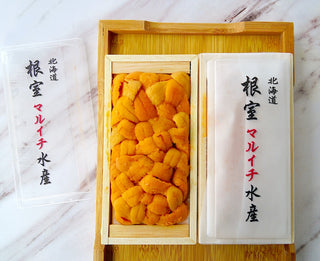
- Uni (sea urchin roe) is a delicate ingredient that benefits from immediate cold-chain handling and careful temperature control. In Singapore, uni is widely available from specialized suppliers; examples include Shiki and local fine-food purveyors offering fresh uni. (shiki.sg)
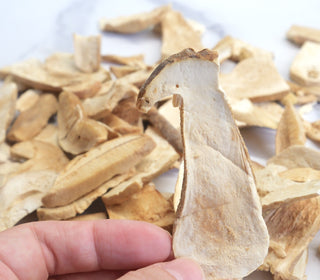
- Black truffle (and related products) commands premium pricing but can be sourced seasonally from local fine-food retailers; expect price ranges in the SGD 300–800/kg range for Black Summer, rising up to SGD 2.5k–8k/kg for Alba White Truffle depending on grade. (assumptionfinefoods.com.sg)
Why it matters: Knowledge about ingredient seasonality, freshness, and provenance helps you pre-select a viable menu window and avoid stockouts. Singapore’s import-dependent market means lead times and stock levels vary; planning with reputable suppliers reduces risk of missing components. Data from the Singapore Food Statistics report shows 2024 seafood production declined due to farm restructuring, reinforcing the importance of securing reliable imports and clear delivery windows. (sfa.gov.sg)
Setup & Workspace
- Create a clean, cold workspace: chill the uni, hamachi, and any sauces ahead of time; keep fish portions on ice until ready to plate.
- Prepare a rice setup: pre-cook and cool sushi or short-grain rice to maintain proper texture; consider a light seasoning mix for balance.
- Plan a plating station: shallow bowls, even rice base, and a dedicated space for searing fish to prevent cross-contamination.
Why it matters: A calm, organized setup reduces last-minute bottlenecks and ensures that each element of the bowl comes together while ingredients are at peak freshness. The data-driven approach to Singapore’s at-home dining ecosystem emphasizes efficient, controlled workflows to protect quality when sourcing from imported ingredients. (sfa.gov.sg)
CTA
Discover Quick Seafood Picks
Find the freshest salmon, uni, and more with fast search results.
Rapid Search Results →Conclusion to Section 1: A well-equipped kitchen and curated sourcing plan are the foundation of Seafood Donburi Luxe at Home. With premium ingredients at the ready and a clean, organized workspace, you’re positioned for a smoother execution and a higher likelihood of restaurant-quality results.
Section 2: Step-by-Step Instructions
In this core guide, you’ll follow a sequence of practical steps designed to produce a cohesive, luxe donburi bowl. The steps balance precision with flexibility, recognizing that ingredient availability and home kitchen constraints vary. The guiding concept remains: start with high-quality components, cook with care, and plate with balance and restraint.
Step 1: Plan the donburi roster
What to do: Outline a 2–3-bowl menu that features King Salmon, Hamachi, Uni, and a truffle accent. Decide on portion sizes (e.g., 150g King Salmon per bowl, 25–40g Uni per bowl depending on availability and budget), and draft a simple sauce framework (soy-based glaze, citrus/ponzu, and a creamy uni-based sauce as optional). Why it matters: A clear plan ensures you match ingredient timing, manage costs, and deliver consistent portions for a multi-bowl service. Expected outcome: A written plan with 2–3 bowl variants, complete ingredient list, and a sourcing timeline. Common pitfalls: Overloading bowls with too much Uni or truffle; mismatched protein portions; last-minute ingredient substitutions that alter texture.
Step 2: Source King Salmon & Uni (batch considerations)
What to do: Confirm the delivery window for King Salmon portions from a trusted supplier (e.g., NZ King Salmon portions from Miss A’s Handpick Fine Food, typically air-flown and delivered fresh on specific days). Verify uni availability from a reputable source and check the grade (A or B) and origin. Why it matters: Freshness and consistency are the backbone of a luxe donburi; Singapore’s heavy reliance on imports makes supplier reliability crucial. Expected outcome: Confirmed orders or reservation for the day of service; clear expectations on yield and batch timing. Common pitfalls: Stockouts, late deliveries, or mislabeling of species or grades; ensure you have backup options if a primary supplier experiences a shortage.
Note: Miss A’s Handpick Fine Food highlights air-flown King Salmon delivered within 24 hours to Singapore, with next-day or scheduled delivery windows. This supports planning around freshness windows. (missa.sg)
Step 3: Source Hamachi, Uni & Truffle
What to do: Add Hamachi (yellowtail) as a complementary sashimi-grade protein; select uni with a clean aroma and creamy texture; secure a seasonal black or Alba white truffle if you intend a hot, aroma-driven finish. Why it matters: Hamachi offers a lighter contrast to King Salmon, Uni adds a luxurious decadence, and Truffle elevates aroma and depth—together creating a multi-sensory experience. Expected outcome: A balanced triad of proteins and a supporting aroma plan; a back-up Uni option if your primary supplier is delayed. Common pitfalls: Over-reliance on a single supplier for Uni; ensure you know storage guidelines to maximize shelf life.
Note: Uni is widely available in Singapore through sources such as Shiki Singapore and other local purveyors; fresh uni can be air-freighted from Japan, which is common for high-end platforms. (shiki.sg)
Step 4: Prepare the rice base
What to do: Cook short-grain or sushi rice to a slightly sticky texture; season lightly with a gentle mix of rice vinegar, salt, and sugar (optional) to create a cohesive base that binds toppings without overpowering them. Why it matters: The rice acts as the anchor for all toppings; moisture and temperature balance influence mouthfeel and perceived richness. Expected outcome: Fluffy, slightly glossy rice with a mild sweetness that complements fish and uni. Common pitfalls: Overcooking rice leading to gluey texture; under-seasoning the rice base; letting the rice cool too quickly without fan or gentle fanning.
Step 5: Create a light soy-citrus glaze
What to do: Combine soy sauce, mirin, and a citrus element (yuzu or shōkan) in a small pan; gently reduce to syrup, then cool. Why it matters: A glossy glaze adds sheen and a touch of acidity that helps balance the richness of King Salmon and Uni. Expected outcome: A balanced glaze that threads through the bowl in a nuanced layer. Common pitfalls: Over-reducing to a thick glaze that clings too aggressively; lack of acidity balance.
Step 6: Prepare a uni cream or optional complementary sauce
What to do: For a smoother texture, blend fresh uni with a little cream or neutral stock, and adjust with salt or lime/lemon juice just enough to brighten without masking the sea-urchin character. Why it matters: A uni-based sauce can unify the bowl’s richness and add luxurious texture, especially if Uni is lighter in some batches. Expected outcome: A silky, subtle sauce that enhances the Uni and the overall mouthfeel. Common pitfalls: Over-blending (too dairy-forward) or overpowering the uni flavor with other aromatics.
Step 7: Slice proteins with precision
What to do: Slice King Salmon into 0.5–1 cm thick sashimi-style pieces; Hamachi into similar thickness for uniform bite; keep slices chilled. Why it matters: Consistent slice thickness ensures even cooking/handling and a visually appealing array on the bowl. Expected outcome: Uniform slices that display color and marbling; clear separation of protein components on the bowl. Common pitfalls: Uneven slices leading to inconsistent texture; letting fish warm up too long.
Step 8: Plate with balance and texture
What to do: Start with a firm bed of rice; arrange King Salmon, Hamachi, and Uni in a visually balanced layout; add a light drizzle of glaze; finish with a micro-amount of uni cream if used; shave or microplane truffle as a final aroma accent if available. Why it matters: A thoughtful composition enhances the dining experience, ensuring each bite yields a balanced mix of fat, salt, acid, and aroma. Expected outcome: A visually striking, restaurant-like bowl with harmonious distribution of toppings. Common pitfalls: Overly dense toppings on one side; uneven distribution of glaze; not respecting delicate uni.
Step 9: Final checks and service
What to do: Confirm temperature (fish ideally just above fridge temp, not room temp for best texture), ensure no overpowering odors, and serve promptly. If serving multiple bowls, consider a staggered service window to maintain freshness. Why it matters: Freshness and sensory balance are essential to the Luxe Donburi experience; timing preserves texture and aroma. Expected outcome: Consistently fresh, elegantly plated bowls ready for dining. Common pitfalls: Delayed service leading to rice drying out; mis-timed delivery of Uni or truffle.
Visuals note: Where possible, include visuals showing the plating sequence (Rice base → Protein arrangement → glaze drizzle → uni placement → truffle shave). Visuals help readers reproduce the technique with confidence.
CTA
Ask Our Seafood Experts
Need guidance on sourcing, safety, and best practices for luxe at-home bowls?
Contact Us →Section 3: Troubleshooting & Tips
Sourcing & freshness challenges
-
If Uni arrives with off-odor or questionable texture, treat it as a sign to exchange or switch to a backup batch; fresh uni should have a clean aroma and creamy texture, not a fishy or sour note. In Singapore, uni is sourced from Japan or other premium suppliers and is frequently air-flown to maintain freshness; align your plan with supplier delivery windows to preserve quality. Sources for fresh uni include Shiki Singapore and other local specialty retailers. (shiki.sg)
-
King Salmon freshness hinges on rapid transit; Miss A’s Handpick Fine Food notes air-transport and 24-hour flight-to-table delivery windows, which supports a precise prep timeline. If a shipment is delayed, adjust your plan (prep more rice and sauces in advance; hold fish at proper cold range). (missa.sg)
Plate stability & texture
-
If rice texture becomes too sticky or gummy, re-rinse with cool water and gently re-season; consider a slightly lower cooking ratio to keep grains separate. This minimizes clumping and improves bite, respecting the donburi’s balance between rice and toppings.
-
For truffle aroma, a light shave at the end keeps the fragrance from overpowering the delicate fish. Alba White Truffle is particularly potent and expensive, demanding restraint; consider alternating with Black Summer Truffle when Alba is not available to maintain economy without sacrificing aroma quality. Prices for Alba White Truffle can range SGD 2.5k–8k per kilogram depending on grade. (assumptionfinefoods.com.sg)
Flavor balance
-
If the glaze dominates, reduce its intensity or use less soy-based glaze in each bowl, ensuring that the fish’s natural flavors remain forward. For citrus balance, a tiny amount of yuzu or lemon can brighten without masking the seafood’s character.
-
If Uni texture varies between batches, adapt the uni cream approach (Step 6) to ensure consistent mouthfeel across bowls; use minimal dairy to avoid masking sea-urchin flavor while maintaining creaminess.
CTA
Delivery Info & Scheduling
Confirm delivery windows and fresh stock for premium seafood ingredients.
Delivery Info →Practical tips for reliability
- Diversify suppliers for King Salmon, Uni, and Hamachi to reduce risk of stockouts; cross-check suppliers’ import sources and storage practices. Singapore’s import reliance is high, with imports to Singapore representing more than 90% of total food supply; diversify to maintain resilience during disruptions. (sfa.gov.sg)
- Where possible, plan a two-day buffer for delicate items like Uni and high-cost truffles; this reduces waste and improves final plate integrity.
Section 4: Next Steps
Advanced variations
- Add a light citrus-tinted glaze folded into a sesame oil base for a glossy finish that ties the bowl together without overpowering the fish.
- Experiment with a small wheel of burrata or a delicate caviar accent for additional texture on select bowls (taste-tested to ensure harmony with Uni and truffle aromas).
- Create a “donburi flight” by offering two or three small bowls that highlight each protein: King Salmon-centric, Hamachi-centric, and Uni-forward, to showcase texture and flavor range.
Related resources
- Explore premium seafood options and delivery options from Miss A’s Handpick Fine Food to align with the Singapore market’s premium seafood expectations (King Salmon, Uni, etc.). The Miss A site features NZ King Salmon portions and details on delivery timing. (missa.sg)
- Review Singapore’s seafood import context and local production notes from the Singapore Food Statistics report to understand macro-market dynamics in 2024–2025. This helps you make informed sourcing and pricing decisions. (sfa.gov.sg)
- For truffle sourcing, identify seasonal availability and price ranges from Assumption Fine Foods, which provides SGD price bands for Black Summer, Black Autumn, and Alba White Truffles. (assumptionfinefoods.com.sg)
Next steps summary: Build a 2–3 bowl set for a dinner party, schedule supplier deliveries to align with your cooking window, and prepare a simple plating guide that can be replicated for future events. Consider testing two variants: a King Salmon–dominant bowl and a Hamachi–dominant bowl with Uni, then refine based on feedback. A data-driven approach to ingredient selection and delivery timing can help maintain freshness, reduce waste, and improve overall guest satisfaction.
Closing
The Seafood Donburi Luxe concept—anchored by King Salmon, Hamachi, Uni, and a whisper of Truffle—offers Singaporean home cooks a path to restaurant-like luxury in a home kitchen. By grounding decisions in reliable market data (such as Singapore’s import reliance and local production shifts) and pairing them with precise technique and thoughtful sourcing, you gain confidence to execute consistently. The steps outlined here are designed to be adaptable to availability and budget, while preserving the core balance of texture, aroma, and umami that define a true luxe donburi experience.
With planning, careful sourcing, and disciplined plating, you can deliver a compelling Seafood Donburi Luxe experience at home that resonates with data-driven readers and food enthusiasts alike. If you’re ready to start, secure your King Salmon and Uni from trusted suppliers, pick a date with dependable delivery, and follow the step-by-step workflow to achieve a dish that’s as impactful as it is delicious. This is not just about cooking; it’s about applying a structured approach to premium seafood dining in a home setting.