


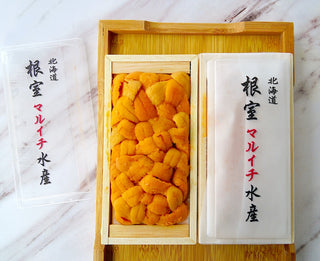

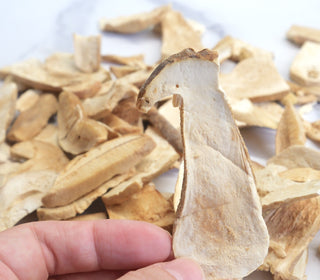

In Singapore, the landscape for home cooking is shifting toward premium ingredients that deliver restaurant-quality flavor at home. The year 2026 is shaping up as a pivotal moment where local sourcing, regional ingredients, and advanced food-tech tools intersect with consumer demand for quality, traceability, and sustainability. For Miss A’s Handpick Fine Food, this means a data-driven opportunity to guide readers toward smarter procurement, better recipes, and a sharper understanding of what premium ingredients home cooking Singapore 2026 trends actually look like in practice. Emerging themes point to a maturation of the market beyond trendy single-item fads toward sustainable, regionally rooted choices that can be scaled in home kitchens. Recent industry coverage highlights growing attention to regional ingredients, sustainable cooking, and the arrival of premium proteins like Hanwoo beef into Singapore’s supply chain, underscoring the relevance of premium ingredients for home cooks who want consistency, safety, and storytelling in every dish. (straitstimes.com)
Readers will learn a practical, step-by-step approach to selecting, sourcing, preparing, and demonstrating premium ingredients in everyday home cooking, with an eye toward the technologies and supply networks that support Singapore 2026 trends. The guide emphasizes data-informed decisions, risk awareness, and a balanced view of cost versus culinary value. The goal is not to chase every trend but to implement a repeatable process that yields reliable flavor, waste reduction, and transparent sourcing—key concerns for a modern kitchen that wants to align with local and regional dynamics while staying grounded in quality. This guide estimates a realistic time investment of a few hours for setup, followed by ongoing incremental improvements as you test new ingredients and refine your procurement workflow.
Prerequisites & Setup
Essential Tools
- A reliable kitchen scale, thermometer, and a set of sharp knives for precise prep of premium proteins, seafood, and produce.
- A temperature-controlled storage plan (refrigerator and freezer zones) to preserve delicate items like fresh peat-seasoned produce, aged cheeses, and high-marbling meats.
- A basic procurement tracker (digital spreadsheet or simple procurement software) to log supplier details, prices, lead times, and shelf life.
- Access to trustworthy suppliers and marketplaces. In Singapore, local programs and new import channels are expanding premium options, including locally sourced produce and regional proteins like Hanwoo beef arriving in selective outlets. (sfa.gov.sg)
Foundational Knowledge
- Understanding of local sourcing programs and food safety standards. Knowledge of Singapore’s FTTRP (Food Tourism and Local Sourcing) initiatives and how they influence supplier choices can help you access fresher ingredients while supporting resilience in the supply chain. (sfa.gov.sg)
- Awareness of regional ingredients and sustainable practices. Chefs and critics are increasingly highlighting regional ingredients and sustainable cooking as core to 2026 trends in Singapore. This context helps you frame ingredient selections to align with both flavor goals and responsible sourcing. (straitstimes.com)
- Basic knowledge of premium ingredients commonly discussed in 2026 trend coverage, including regional herbs, wild-foraged items, and premium proteins such as Hanwoo beef now appearing in Singapore markets. (straitstimes.com)
Accounts & Resources
- Supplier catalogs and local marketplaces offering premium ingredients. Keep notes on lead times, minimum orders, and return policies.
- Import/export updates and safety advisories relevant to high-end ingredients to avoid disruptions. Recent reporting confirms Singapore’s importing landscape is evolving with higher-quality proteins and regional items entering the market. (straitstimes.com)
- A tested recipe library that features premium ingredients in a home-cooking format, enabling you to pilot with confidence and log results for future scaling.
Time & Scope Planning
- Time to complete the initial setup: 60–120 minutes (depending on how many premium ingredients you intend to test).
- Ongoing cadence: weekly or biweekly procurement checks, plus a monthly recipe testing cycle to validate flavor and cost against outcomes.
Step-by-Step Instructions
Step 1: Define Your Premium Ingredients Goals
What to do
- Document a clear list of premium ingredients you want to feature in your home cooking this year, prioritizing items aligned with 2026 trends (regional ingredients, sustainable methods, and high-quality proteins like Hanwoo when available).
- Establish a price ceiling, quality benchmarks, and a target usage frequency for each ingredient.
Why it matters
- A defined goals document anchors your sourcing decisions in data, ensuring you don’t chase every new item but rather create consistent, high-value menus for Miss A’s Handpick Fine Food readers. Industry coverage suggests that local and regional ingredients will become more prominent in 2026, shaping what readers consider “premium” in home cooking. (straitstimes.com)
Expected outcome
- A goals sheet with at least 6–8 premium ingredients mapped to flavor profiles, dish types, and budget ranges.
Common pitfalls to avoid
- Overloading your plan with too many premium items at once; pace introductions to maintain quality and avoid waste.
Visual aid suggestion
- Create a one-page visual map showing each ingredient, its flavor notes, ideal pairing, and sourcing channel. A simple heat map can illustrate cost volatility and shelf life.
Step 2: Build Your Ingredient Map
What to do
- Create a structured map that links each premium ingredient to specific dishes or menus you want to develop, with columns for origin, seasonality, storage needs, and shelf life.
- Include regional ingredients highlighted in 2026 coverage, such as local herbs and regional produce, and mark any available premium proteins (e.g., Hanwoo beef from Singapore retailers) with procurement notes. (straitstimes.com)
Why it matters
- An ingredient map acts as a decision framework during weekly shopping and recipe planning, reducing guesswork and improving consistency.
Expected outcome
- A living document (spreadsheet or notebook) with each ingredient connected to at least two dish concepts and one storage protocol.
Common pitfalls to avoid
- Failing to update the map as supplier availability shifts or as new regional ingredients come online.
Visual aid suggestion
- A columnar grid or mind-map visualization showing connections between ingredients and recipe ideas. Include color codes for local/regional vs. imported items.
Step 3: Establish Supplier & Channel Mix
What to do
- Identify primary suppliers for each category (local farms, FTTRP participants, premium import channels, and specialty shops carrying Hanwoo or other regional proteins).
- Validate safety standards, traceability, and product consistency. Confirm lead times and minimum orders.
Why it matters
- A diversified supplier network helps resilience and ensures you can maintain premium quality without price shocks, which aligns with Singapore’s evolving premium ingredient marketplace. (sfa.gov.sg)
Expected outcome
- A supplier roster with contact details, lead times, MOQs, and notes on reliability and traceability.
Common pitfalls to avoid
- Relying on a single supplier for high-cost items; build alternates to avoid disruptions.
Visual aid suggestion
- A supplier scorecard showing delivery reliability, price stability, and quality scores.
Step 4: Pilot Procurement & Storage Plan
What to do
- Create a small, controlled purchase of 2–3 premium ingredients to test quality and workflow (for example, Hanwoo beef if available, a local jungle garlic variety, and a specialty cheese).
- Define precise storage methods, temperature ranges, and rotation schedules (FIFO) to maximize shelf life and maintain flavor.
Why it matters
- This step validates the viability of premium ingredients in your home kitchen context and prevents waste while ensuring safe handling. Benchmark data from industry coverage shows the importance of sustainability and proper sourcing for premium ingredients in 2026. (straitstimes.com)
Expected outcome
- A mini-procurement bundle with documented storage instructions and a baseline waste metric.
Common pitfalls to avoid
- Underestimating shelf life for delicate items or failing to calibrate storage temps for niche ingredients.
Visual aid suggestion
- Photos or diagrams of proper storage setups (bags, containers, racks) and a simple shelf-life chart.
Step 5: Conduct Small-Scale Recipe Tests
What to do
- Develop 4–6 recipe iterations that showcase each premium ingredient’s best use (e.g., Hanwoo beef applications, local herbs in sauces, regional vegetables in charcuterie boards).
- Use a standardized taste-testing rubric (appearance, aroma, texture, flavor, and overall impression) and document results.
Why it matters
- Systematic testing reveals practical pairings, cooking times, and texture behaviors that differentiate premium ingredients in home cooking, aligning with data-driven editorial aims. 2026 trend reporting emphasizes ingredient-led, regional flavor development. (straitstimes.com)
Expected outcome
- A tested recipe sheet with notes on adjustments, time estimates, and cost per serving.
Common pitfalls to avoid
- Skipping neutral baseline recipes for comparison; always benchmark against familiar dishes to quantify improvement.
Visual aid suggestion
- A side-by-side tasting scorecard and a photo gallery of each dish version.
Step 6: Integrate Technology for Sourcing & Inventory
What to do
- Set up a simple procurement dashboard that tracks price, lead time, and availability for premium ingredients, plus a basic inventory log to prevent over-purchasing.
- Use price-trend visuals and supplier notes to guide future purchases, noting any seasonality or supply disruptions.
Why it matters
- Data-driven sourcing reduces waste, supports budgeting, and helps readers understand how to manage premium ingredients without compromising on flavor or cost. Industry coverage highlights the value of data-driven strategies in Singapore’s 2026 market. (eats365pos.com)
Expected outcome
- A functioning procurement dashboard and an inventory system that auto-updates as you log usage and replenish stock.
Common pitfalls to avoid
- Overcomplicating the system; start with a simple dashboard and scale up as you gain discipline.
Visual aid suggestion
- A sample dashboard screenshot or mock-up showing price trends, lead times, and stock levels.
Step 7: Communicate the Premium Ingredient Story
What to do
- Create a concise narrative around each premium ingredient, focusing on provenance, flavor profile, and practical use in everyday home cooking.
- Include tips for consumer education, such as showcasing a before-and-after dish photo, a short pairings guide, and a quick shopping checklist.
Why it matters
- Readers value context; a transparent story around premium ingredients helps justify the premium and builds trust, aligning with a neutral, data-driven editorial stance. Singapore’s 2026 coverage emphasizes regional identity and sustainable sourcing as part of premium ingredient narratives. (straitstimes.com)
Expected outcome
- A content pack with ingredient stories, suggested captions, and a simple photography plan for home cooks.
Common pitfalls to avoid
- Overloading the narrative with jargon or unverified claims; keep stories factual and actionable.
Visual aid suggestion
- A visual storyboard showing the ingredient’s journey from source to plate.
Step 8: Scale Up & Optimize
What to do
- Based on test results, expand the range of premium ingredients you regularly use, prioritizing those with strong consumer resonance and repeatable outcomes.
- Optimize menus and shopping lists for seasonality, price volatility, and sustainability.
Why it matters
- Scaling thoughtfully reduces waste and ensures long-term value, a core concern of 2026 market trends and sustainability discussions. (straitstimes.com)
Expected outcome
- An expanded but disciplined premium ingredient program with improved margins and consistent quality across dishes.
Common pitfalls to avoid
- Expanding too quickly or failing to monitor cost-to-serve ratios.
Screenshots/Visuals
- Consider including a seasonality chart showing when each premium ingredient peaks in Singapore, plus a price-availability heatmap. These visuals help readers quickly interpret the data behind your decisions.
Step 9: Documentation & Compliance (Bonus)
What to do
- Document safety checks, storage logs, and supplier certifications where applicable.
- Ensure compliance with local food safety standards, and keep an accessible record for readers who want to replicate your approach.
Why it matters
- Transparent documentation builds trust and helps readers replicate your methods in a compliant, safe manner.
Expected outcome
- A ready-to-share documentation pack, including safety checklists and supplier credential notes.
Common pitfalls to avoid
- Inadequate record-keeping or trying to shortcut safety and labeling practices.
Step 10: Review & Refresh (Ongoing)
What to do
- Schedule quarterly reviews of ingredient performance, supplier reliability, and reader feedback.
- Refresh your premium ingredient portfolio to reflect new 2026 trends and local supply changes.
Why it matters
- The marketplace evolves; regular refreshes ensure your guide remains relevant and valuable for readers seeking steady improvements in home cooking. Contemporary coverage anticipates ongoing shifts in regional ingredients and sustainable practices. (straitstimes.com)
Expected outcome
- A living, updated guide with revised ingredient lists, updated supplier notes, and refreshed recipe tests.
Common pitfalls to avoid
- Letting the program stagnate; readers rely on current, data-backed insights.
Troubleshooting & Tips
Sourcing Challenges
Common issues
- Premium ingredients unavailable or subject to price spikes.
- Delays in lead times due to supply chain fluctuations.
Solutions
- Maintain a short list of backup suppliers for each item and continuously monitor price and availability trends. Leverage local and regional options to reduce dependency on import schedules. The Singapore market is actively expanding premium channels, including Hanwoo beef entries, which can alter pricing dynamics. (8days.sg)
Pro tips
- Build a “fast fail” plan for high-cost items by rehearsing alternative recipes that can use lower-cost substitutes without sacrificing overall quality.
- Use data-driven alerts for price changes on premium items to lock in favorable rates when possible.
Quality Assurance
Common issues
- Inconsistent texture or flavor when ingredients arrive in varying quality.
- Inadequate storage leading to spoilage.
Solutions
- Implement a standardized prep protocol and sensory rubric for every premium ingredient. Ensure proper cooling, handling, and portioning practices. Document results for future reference.
Pro tips
- When testing new ingredients, start with a single dish that showcases the ingredient’s core flavor, then gradually introduce more complex applications.
Waste Reduction
Common issues
- Over-purchasing due to optimistic forecasts or marketing drives.
- Not tracking usage and waste after each test phase.
Solutions
- Apply strict FIFO and keep a weekly waste log. Use data to adjust order quantities and reduce discard rates over time. Sustainability themes are prominent in 2026 Singapore food discourse, reinforcing the importance of waste reduction in premium cooking. (straitstimes.com)
Pro tips
- Create a “zero-waste” version of a premium ingredient dish to demonstrate how to repurpose trimmings or scraps into sauces, broths, or condiments.
Next Steps
Advanced Techniques
- Experiment with fermentation and aging to elevate premium ingredients. Fermentation is increasingly recognized as a culinary language in 2026, enabling deeper umami and longer shelf life for select ingredients. Use it to extend the utility of kitchen staples and local produce. (straitstimes.com)
- Explore regional flavor pairings with third-culture ingredients that respect local heritage while introducing global influences. This aligns with Singapore’s evolving culinary identity and the broader Asia-Pacific trend toward regional ingredients. (saffrons.com.sg)
Related Resources
- A curated list of credible sources on 2026 Singapore food trends, including regional ingredients and sustainable practices. Check reputable outlets for updates on Hanwoo beef imports, local farm initiatives, and premium ingredient availability. (straitstimes.com)
- Practical templates: supplier scorecards, price-trend dashboards, and taste-testing rubrics you can adapt for your own kitchen.
Real-World Examples & Case Studies
- Local premium protein supply: Hanwoo beef entering Singapore’s market through Culina with in-store availability in 2026 reflects a broader trend toward premium Southeast Asian and East Asian ingredients in the domestic dining ecosystem. This development illustrates how readers can plan flavor-forward dishes using new meat options that align with high-quality standards and safety certifications. (8days.sg)
- Regional ingredients in fine dining: Straits Times coverage highlights the rise of regional ingredients and sustainable approaches among Singapore’s chefs in 2026, reinforcing the editorial stance of data-driven analysis and balanced perspectives for home cooks seeking premium ingredients. (straitstimes.com)
Taking these ideas into your own kitchen will help you craft a compelling premium ingredients program that aligns with the evolving Singaporean market in 2026. By combining careful planning, supplier diversification, data-driven testing, and a transparent storytelling approach, you can elevate home cooking with premium ingredients while staying true to sustainable and local sourcing principles. The goal is to enable readers to achieve restaurant-grade flavor and consistency in everyday meals, while understanding the broader market dynamics at play in premium ingredients home cooking Singapore 2026 trends.
Closing As you begin implementing these steps, you’ll gain a practical, repeatable framework for selecting, testing, and scaling premium ingredients in your home kitchen. The strategy emphasizes local and regional sourcing, transparent provenance, and culinary excellence, all underpinned by data-driven decision-making. Use the guidance here to build a resilient, delicious, and educational program for readers of Miss A’s Handpick Fine Food, and to help home cooks embrace premium ingredients with confidence and clarity.