


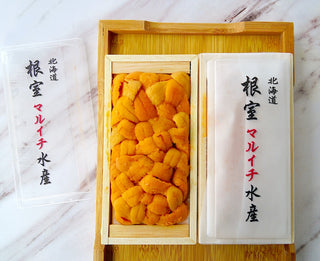



In today’s Singaporean kitchens, premium ingredients are more accessible than ever, and home cooks increasingly expect restaurant-level results without leaving the home. Getting the most from premium ingredients—whether Wagyu beef, fresh uni, or carefully sourced foie gras—depends on disciplined sourcing, proper storage, and precise cooking techniques. This guide equips you with a practical, data-informed approach to premium ingredients home cooking Singapore 2026, helping you plan, source, store, cook, and plate with confidence. By following a structured, step-by-step method, you’ll reduce waste, optimize costs, and deliver consistently excellent meals that impress guests and nourish your own family.
The focus here is on measurable outcomes, clear prerequisites, and actionable steps you can implement this week. You’ll learn how to balance quality with cost, identify trustworthy suppliers in Singapore (including developments in 2025–2026 such as new imports of premium meats from Jeju and Korea), and apply kitchen techniques that preserve delicate flavors and textures. Expect a practical, data-driven journey that blends culinary craft with business-sense sourcing—because premium ingredients deserve both respect and rigor. As you move through this guide, you’ll gain a repeatable framework you can apply to a wide range of fine ingredients, from Wagyu to limited-edition seafood toppers, enabling you to craft meals that feel elevated yet remain attainable for the home kitchen.
Prerequisites & Setup
Required Tools
- Sharp chef’s knife and a honing steel; a dedicated slicing board for premium proteins
- Digital kitchen scale for precise portioning and pricing checks
- Instant-read thermometer and an accurate oven or induction cooking setup
- Vacuum sealer or high-quality freezer bags for proper storage and portioning
- Temperature-controlled storage options (refrigerator and freezer) with organization for long-term freshness
- Plating tools (tweezers, ring molds, and a squeeze bottle) to elevate presentation
In the Singapore market, premium ingredients often require careful handling from purchase to plate. Ensuring proper storage and controlled temperatures is essential to preserve texture and flavor, especially for delicate items like Wagyu or shellfish. For example, retailers offering temperature-controlled packaging and prompt delivery can help maintain quality during transit. (missa.sg)
Knowledge & Accounts
- Basic understanding of meat grading, seafood freshness indicators, and safe thawing practices
- Accounts with reputable suppliers or platforms that provide traceability and provenance information
- Familiarity with Singapore’s import guidelines for specialty foods (to understand what can be legally imported for private consumption) (sfa.gov.sg)
Sourcing Resources & Marketplace Context
- A growing Singaporean market for premium proteins includes Wagyu from Kagoshima and other Japanese producers, with occasional cross-border promotions at local retailers and fine-dining suppliers. This trend aligns with broader F&B market growth in Singapore’s foodservice sector (and its shift toward high-end offerings and experiences) as reported by market insights in early 2026. (straitstimes.com)
- Since late 2025, Korea’s Hanwoo beef and Jeju pork have begun entering Singapore’s retail and dining ecosystems due to trade and regulatory developments, expanding options for premium home cooks. This development has been covered by major outlets noting the changing import landscape. (straitstimes.com)
Trusted Suppliers & Curation (What to Look For)
- Look for suppliers with transparent provenance statements, lab certificates when possible, and verifiable cold-chain assurances. Local options like Culina and SoGoodK have actively participated in bringing premium meats to Singapore, including developments around Hanwoo imports. (straitstimes.com)
- For Wagyu and other specialty items, consider both online platforms with climate-controlled packaging and brick-and-mortar counters at supermarkets or specialty butchers. Packaging that preserves temperature and protects marbling is a good indicator of quality. (missa.sg)
Time & Readiness
- Expect to spend 60–180 minutes to assemble, source, and prep initial premium-ingredient meals, depending on your planning depth and the complexity of the dish. A systematic approach reduces guesswork and helps you execute with confidence.
Step-by-Step Instructions
Step 1: Define your premium-ingredient plan
What to do
- Create a monthly premium-ingredient plan aligned with your dining goals (luxury weekend meals, special occasions, or weekly “chef’s night” at home).
- Decide which premium ingredients you’ll prioritize this month (e.g., Wagyu beef, uni, and foie gras) and set a realistic budget per dish.
Why it matters
- A plan reduces impulse purchases and ensures you allocate funds to ingredients that deliver the most impact for your meals. It also helps you track cost-per-serving for premium items so you can refine your shopping list over time.
Expected outcome
- A written plan detailing 2–4 premium ingredients, estimated portions, target dishes, and a monthly budget. You’re ready to source deliberately rather than ad hoc.
Common pitfalls to avoid
- Overcommitting to too many premium ingredients in a single cycle, leading to waste or storage challenges.
- Underestimating prep or cooking time for premium ingredients, resulting in rushed execution.
Citations and context
- Singapore’s evolving premium-meat landscape is shaped by imports and supplier activity as of 2025–2026. Hanwoo from Jeju and premium Wagyu from Kagoshima are part of the changing supply chain, with credible coverage noting the import dynamics and restaurant-level interest. (straitstimes.com)
Visuals suggested
- A planning worksheet showing 4 premium ingredients, a monthly budget, and 2–3 signature dishes per ingredient.
- A sample plan could be represented with a simple table or a checklist diagram.
- Visual: Procurement plan grid (procurement-checklist placeholder).
Step 2: Build a trusted supplier list for premium ingredients
What to do
- Compile a list of trusted sources for Wagyu, kinokawa shellfish, uni, foie gras, and other premium items.
- Prioritize suppliers with clear provenance, certificates of origin when available, and reliable cold-chain packaging.
Why it matters
- Premium ingredients demand careful sourcing. Provenance and packaging directly impact flavor, texture, and safety, especially for items like Wagyu and uni.
Expected outcome
- A vetted supplier list with contact details, typical price ranges, and delivery timelines. You should be able to place orders with confidence and minimal last-minute surprises.
Common pitfalls to avoid
- Relying solely on price without verifying provenance or packaging quality.
- Missing delivery windows that disrupt planned meals.
Citations and context
- Wagyu availability and premium meat discussions across Singapore have been covered by local outlets and retailers, including features on Kagoshima Wagyu and other high-end meats in Singapore. This reflects the growing presence of premium ingredients in home cooking. (straitstimes.com)
- The Singapore Food Agency maintains lists of foods allowed for private consumption from overseas, which helps you understand what you can legally bring in and from where. Always verify current guidelines before ordering or shipping meat products. (sfa.gov.sg)
Step 3: Verify provenance, quality, and certification
What to do
- For each item, ask suppliers for provenance details (country of origin, farm, and batch) and any available quality certificates.
- For Wagyu, ask about grade, marbling level, and whether the product has a certificate of origin or farm traceability.
Why it matters
- Premium ingredients merit clear sourcing: provenance directly correlates with flavor profile, texture, and authenticity. This is particularly true for Wagyu and imported shellfish.
Expected outcome
- Verified items with traceable provenance, making it easier to plan pairings and cooking methods. You’ll feel confident in the dish you’re delivering to your diners.
Common pitfalls to avoid
- Accepting vague provenance or mislabeled products. If a supplier can’t provide origin details or certificates, consider alternatives.
Quotations and context
- The move toward traceability and premium sourcing in Singapore’s premium meat scene has been highlighted by industry observers and outlets noting the growing consumer demand for authentic origins and quality control. For example, premium Wagyu and Korean meat imports have been part of the conversation in 2025–2026. (straitstimes.com)
Step 4: Plan storage, thawing, and portioning for quality
What to do
- Decide portions that will be used within a single dish or meal to minimize waste.
- Use vacuum sealing or well-sealed bags to prevent freezer burn for long-term storage.
- Develop a thawing protocol (ideally overnight in the refrigerator) to preserve texture and moisture.
Why it matters
- Premium ingredients deteriorate quickly if not stored properly. Freezer burn and uneven thawing can ruin the texture of Wagyu or delicate seafood.
Expected outcome
- A practical storage plan with labeled portions and thawing schedules that keep flavors intact for days or weeks.
Common pitfalls to avoid
- Thawing meat at room temperature or refreezing thawed product. Keep to refrigerator thawing or controlled thawing methods.
Visuals and context
- Visual: a simple storage layout showing labeled bags or containers by ingredient and use-by date.
- Packaging and temperature control matter; many premium suppliers emphasize packaging designed to preserve marbling and freshness. (missa.sg)
Step 5: Master essential cooking techniques for premium ingredients
What to do
- Learn a few core techniques that consistently bring out the best in premium proteins:
- Quick sear and rest for Wagyu to maximize crust while preserving interior tenderness.
- Gentle handling for delicate seafood (e.g., uni) to prevent breaking or off-texture.
- Finishing sauces and light seasoning to enhance natural flavors rather than overpower them.
- Practice precise timing, especially for small portions of premium meat or delicate seafood.
Why it matters
- Premium ingredients shine when treated with restraint and technique. Searing Wagyu too aggressively or over-handling uni can dull the intended texture and aroma.
Expected outcome
- Consistently well-prepared dishes where the premium ingredients’ inherent flavors are highlighted.
Common pitfalls to avoid
- Overcooking Wagyu or fish; under-seasoning or over-reliance on heavy sauces for flavor.
- Using heavy equipment or aggressive methods that bruise delicate products.
Tips and context
- For Wagyu, the goal is a balanced crust with a tender interior; a light salt finish and proper resting can elevate the marbling. For uni and other delicate seafood, gentler handling and minimal heat are key.
Visuals
- Visual: step-by-step photos showing proper searing technique, resting, and plating.
- Visual: a QA checklist for cooking times and temperatures.
Citations
- Premium Wagyu availability and home-cooking considerations are discussed in local coverage and vendor pages; packaging and shipping considerations also appear in supplier notes. (straitstimes.com)
Step 6: Plate, present, and serve with context
What to do
- Plate with clean lines, contrasting textures, and a minimalistic garnish strategy that enhances flavor.
- Consider the story behind each dish: the provenance, the season, and the pairing choices.
Why it matters
- Presentation elevates the dining experience and communicates the premium nature of the ingredients you’ve chosen.
Expected outcome
- A visually appealing dish (and a well-told dining story) that justifies the use of premium ingredients.
Common pitfalls to avoid
- Cluttered plating or heavy sauces that hide the ingredient’s natural flavors.
Step 7: Evaluate, document, and refine
What to do
- After each premium-ingredient meal, note what worked, what didn’t, and any adjustments you’d like to make next time.
- Gather feedback from guests or family and adjust portions, seasoning, or cooking times accordingly.
Why it matters
- Continuous improvement is essential when working with high-cost items. Small refinements over time yield higher overall results and better cost efficiency.
Expected outcome
- A refined playbook for premium-ingredient dishes that grows more consistent with repeated practice.
Common pitfalls to avoid
- Skipping notes or failing to track outcomes; you’ll repeat mistakes without a reference.
Visuals and context
- Visual: a simple “What I changed” reflection sheet; a before/after plating comparison.
Troubleshooting & Tips
Sourcing delays or stockouts
- What to do: Maintain at least two credible backup suppliers for each premium ingredient. Build relationships with both online platforms and local retailers that carry premium lines.
- Why it matters: Premium ingredients can be stock-sensitive due to supply chain constraints or festival seasons.
- Outcome: A resilient sourcing plan that minimizes last-minute substitutions.
- Pitfalls: Relying on a single supplier; not having a plan for substitutes.
- Context: The Singapore market is evolving toward more diversified imports, including premium meats and seafood, which can mitigate disruptions. (straitstimes.com)
Quality variance among similar cuts
- What to do: Taste-test small portions from different suppliers before committing to larger orders; ask for certificates of origin and batch numbers.
- Why it matters: Even premium items vary by farm and batch, influencing texture and flavor.
- Outcome: A clear preference profile for your go-to sources.
- Pitfalls: Assuming all premium items are equal; neglecting provenance details.
Thawing and texture issues
- What to do: Thaw in the refrigerator; avoid microwaving; if you must thaw quickly, use a cold-water bath with frequent changes.
- Why it matters: Thawing methods impact texture and moisture retention, especially for premium proteins.
- Outcome: A thawed product closer to the original texture.
- Pitfalls: Room-temperature thawing or rapid thaw using heat.
Storage and shelf-life challenges
- What to do: Label and date all portions; store in consistent temperature zones; implement FIFO (first-in, first-out) for all premium items.
- Why it matters: Premium ingredients tend to be more perishable; proper organization reduces waste.
- Outcome: Longer-lasting quality and better planning for weekly menus.
- Pitfalls: Overpacking the fridge or freezer; not checking expiration dates.
Tips and contextual notes
- Packaging and temperature control are crucial for preserving marbling and delicate textures in premium meats. Look for suppliers offering reliable cold-chain packaging; this is increasingly highlighted by premium meat retailers in Singapore. (missa.sg)
Next Steps
Expand your premium pantry with guided experimentation
- Explore additional premium ingredients that complement your core items (for example, premium sauces, rare mushrooms, or unique sea urchin varieties).
- Start with one new ingredient per quarter to manage risk and learning curves.
Why this matters
- Diversifying your premium pantry increases the number of high-impact meals you can deliver at home while keeping budgeting realistic.
Integrate advanced techniques and resources
- Consider attending small-group tastings, butchery demonstrations, or chef-led workshops at local retailers or markets to refine your palate and technique.
- Use data-driven approach to monitor prices, availability, and trends. For example, market observations in early 2026 show continued growth in Singapore’s premium-protein offerings and evolving import dynamics. (globenewswire.com)
Related resources and further reading
- Singapore Food Agency guidelines on acceptable imported foods for private consumption and the related permit processes. (sfa.gov.sg)
- Local coverage on Hanwoo and Jeju pork imports and related retail availability, illustrating how premium ingredients are entering the home-cook landscape. (straitstimes.com)
- Industry insights into Singapore’s foodservice market growth and the role of premium ingredients in dining experiences, including cloud kitchens and delivery models. (globenewswire.com)
Practical recipes and example pairings
- Wagyu-inspired seared ribeye with a light soy reduction and micro-herbs; serve with a crisp side and a delicate wine pairing.
- Uni-topped scallop crudo with citrus, chives, and a subtle crisp cracker; a minimal approach highlights the delicate sea-bright flavors.
- Pan-seared premium fish or shellfish with a restrained beurre blanc or citrus beurre blanc, focusing on textural contrast rather than heavy sauces.
Closing
This guide has walked you through a data-informed, practical approach to premium ingredients home cooking in Singapore 2026. By clarifying prerequisites, building trusted supplier relationships, verifying provenance, managing storage and thawing, mastering essential techniques, and applying thoughtful plating, you can elevate your home dining experience while maintaining cost discipline. The home chef who plans, tests, and documents results becomes a more confident, capable cook—able to deliver restaurant-like outcomes with elegance and efficiency. As you implement these steps, you’ll gain not only meals that shine but a deeper understanding of how premium ingredients perform in the home kitchen.
The landscape of premium ingredients in Singapore continues to evolve, offering new opportunities for home cooks to enjoy high-quality products with confidence. With careful sourcing, robust storage practices, and precise cooking, you can transform premium ingredients into consistently outstanding meals that reflect Miss A’s Handpick Fine Food’s commitment to quality and care. Ready to start? Build your plan today, source wisely, and let your next dinner be a testament to technique and taste.