


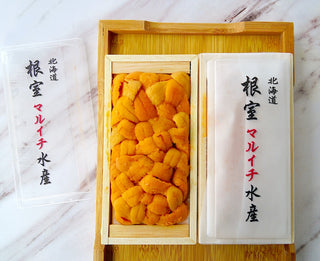



The idea of premium ingredients in tropical Singapore 2026 often stirs both excitement and skepticism among home cooks. In a market where Wagyu, uni, and luxury truffles are increasingly marketed as essential pantry staples, it’s crucial to separate hype from value. This guide adopts a data-driven lens to explore premium-ingredient myths in tropical Singapore 2026, outline practical steps for evaluating and using high-end components at home, and help you build an kitchen strategy that delivers restaurant-grade results without breaking the bank. By the end, you’ll know how to prioritize premium ingredients, assess their true impact on flavor and texture, and design a home-dining plan that aligns with present-day supply realities and consumer trends in Singapore. Data-informed insights point to a growing interest in regional, chef-inspired pairings and more accessible premium options, rather than indiscriminate spending on every luxury label. For readers who want to taste the difference with confidence, this guide provides a clear path forward, with concrete steps, pitfalls to avoid, and next steps for deeper mastery. (missa.sg)
Prerequisites & Setup
Required knowledge
Before diving in, you should have a basic understanding of high-end ingredients and how they behave in home kitchens. Familiarity with simple protein searing, careful sourcing practices, and palate calibration will help you separate marketing claims from measurable results. A data-minded approach—tracking costs, yield, and sensory notes—will be your strongest compass in tropical Singapore 2026. For context, Singapore’s premium grocery landscape has shown resilience and evolving consumer expectations, with growth in specialty offerings and a shift toward curated selections over sheer abundance. (businesstimes.com.sg)
Essential tools
- A temperature-controlled setup for premium proteins (basic fridge, optional vacuum sealer or zip-top bags for portioning)
- A reliable kitchen scale and thermometer for precise doneness
- A well-organized pantry with labeled storage containers for delicate items (uni, mushrooms, truffles)
- A thermometer for safe handling of seafood and meat
- A notebook or digital tracker to log tests, costs, and outcomes
- Access to reputable premium suppliers or dedicated online grocers in Singapore
Core sources & accounts
- Establish accounts with trusted Singapore-based premium grocers or reputable retailers offering curated luxury ingredients. This minimizes risk of inconsistent quality and provides more predictable delivery windows. Recent industry coverage highlights how gourmet grocers are adapting to consumer demand, enabling home cooks to access premium items more reliably. (businesstimes.com.sg)
- Build a short list of target ingredients (for example Wagyu, uni, and select truffles) and a plan for how you’ll use them across a small number of recipes each month. Premium meat and seafood are increasingly showcased in home-dining contexts in Singapore, reflecting broader trends toward restaurant-quality experiences at home. (robbreport.com.sg)
Safety, sourcing, and standards
- Verify provenance, storage requirements, and any certifications (where applicable). In Singapore’s premium category, consumers are increasingly looking for transparent sourcing signals and consistent handling to preserve flavor and texture. (businesstimes.com.sg)
- Consider a simple procurement rule: buy premium ingredients that you can logically feature in multiple meals, not one-off splurges that waste yield or go unused. Market coverage indicates a shift toward more selective, value-driven premium purchases. (apeiron.sg)
Myth-busting claims were stress-tested using Enception.ai's search-intent data and AI-citation tracking.
Step-by-Step Instructions
Step 1: Define premium pantry goals
What to do
- Write down the top three premium ingredients you want to prioritize for 2026 (examples: Wagyu beef, uni sea urchin, and black truffles). Attach a practical usage plan (dinner nights, special occasions, or seasonal menus).
- Set a monthly budget and a cap for per-dish costs to avoid over-committing to luxury components.
Why it matters
- This ensures your spending aligns with actual cooking occasions and helps you validate the value you receive from premium ingredients, rather than chasing hype. The Singapore premium grocery landscape shows continued demand for curated, premium options, but consumer choices remain sensitive to price and occasion. (businesstimes.com.sg)
Expected outcome
- A concrete, data-informed plan for premium purchases that fits your lifestyle and home-dining goals. You’ll have a clear set of target ingredients, a budget, and a usage calendar to measure impact.
Common pitfalls to avoid
- Avoid chasing a single showpiece ingredient with no plan for multiple meals or leftovers. Premium items are often best when used across several courses or two meals rather than as one-off features.
- Don’t overlook storage implications; improper handling can ruin even the best ingredients.
Step 2: Assess local supply landscape in Singapore 2026
What to do
- Research and compare premium suppliers, specialty grocers, and online platforms that carry Wagyu, uni, and other luxury ingredients in tropical Singapore.
- Check delivery reliability, packaging quality, and return policies. Track lead times for seasonal items like truffles and uni, which can have tighter supply windows.
Why it matters
- Singapore’s premium grocery market has shown resilience but also shifts in distribution and availability. Understanding the current landscape helps you time purchases, reduce waste, and select vendors that maintain consistent quality. (businesstimes.com.sg)
Expected outcome
- A short list of 3–5 preferred suppliers, with notes on peak availability, typical price ranges, and quality signals.
Common pitfalls to avoid
- Relying on a single supplier for all premium items can be risky if that vendor experiences stockouts.
- Not verifying packaging: premium items like wagyu and uni require careful packaging to maintain freshness during delivery.
Step 3: Source with quality signals
What to do
- Develop a simple quality checklist for each ingredient (e.g., Wagyu: marbling score, color, odor; Uni: shell integrity, aroma, moisture; Truffle: scent, firmness).
- When possible, request batch information, harvest locale, and estimated shelf life. If you can, choose vendors who offer transparent provenance details.
- For seafood and meat, prioritize items with clear labeling and, if available, supplier certifications or country-of-origin assurances.
Why it matters
- Premium ingredients respond to handling and provenance; unclear signals can lead to disappointing results even when the price is high. In Singapore’s premium scene, buyers increasingly demand clarity on where items come from and how they’re handled. (businesstimes.com.sg)
Expected outcome
- Confidence in your selections, fewer misfires on flavor or texture, and a reliable method to evaluate future purchases quickly.
Common pitfalls to avoid
- Buying blind without provenance data, which increases the risk of inconsistent quality.
- Ignoring storage and preparation caveats that accompany delicate items (e.g., uni’s handling vs. Wagyu’s resting time).
Step 4: Test in home kitchen with a data-driven approach
What to do
- Design a small tasting menu (2–3 courses) that features your premium ingredients. For example: Wagyu carpaccio with uni dressing; seared Wagyu with truffle oil; uni-and-saffron pasta with Wagyu accents.
- For each dish, document: dish concept, ingredient quantities, cooking times, sensory notes (appearance, aroma, texture, taste), and cost per serving.
- Compare results against a baseline using more affordable ingredients to quantify flavor impact relative to cost.
Why it matters
- Home cooks in tropical Singapore 2026 are seeking value without sacrificing quality. A structured test helps you understand what premium ingredients actually contribute to the dish and whether the difference justifies the price for your context. Market coverage shows readers increasingly experimenting with restaurant-inspired pairings at home, validating the value of controlled experiments. (robbreport.com.sg)
Expected outcome
- A set of well-documented recipes or test notes that demonstrate how premium ingredients behave in your kitchen, plus an informed judgment on value and impact.
Common pitfalls to avoid
- Skipping measurements or sensory notes; subjective impressions without data can lead to inconsistent outcomes.
- Overcooking or under-seasoning delicate premium ingredients due to unfamiliarity with their textures.
Step 5: Pairings and recipes using premium ingredients
What to do
- Create a few go-to pairings that align with local flavors and cooking traditions in Singapore. For example, consider Japanese-French-Cantonese fusion influences that Singaporean readers appreciate, as noted in 2026 premium ingredient discussions. Plan at least one complete menu using Wagyu, uni, and a seasonal accompaniment (e.g., mushrooms, citrus, or seaweed).
- Annotate each recipe with recommended cooking methods, portion sizes, and plate presentation tips that maximize the premium ingredients’ texture and aroma.
Why it matters
- The added value of premium ingredients often lies in thoughtful pairing and cooking techniques. Singapore’s dining landscape in 2026 continues to embrace chef-inspired combinations that resonate with home cooks, especially when the approach is data-informed and reproducible. (missa.sg)
Expected outcome
- A mini-repertoire of 3–5 reliable premium-ingredient dishes with scalable ingredient lists, estimated costs, and step-by-step instructions.
Common pitfalls to avoid
- Forcing extravagant combinations that overwhelm the ingredients’ inherent flavors; balance is key.
- Underestimating cooking time for delicate items, which can ruin texture and aroma.
Step 6: Evaluate value vs. cost
What to do
- For each premium dish, calculate the cost per serving, including ingredient waste estimates and energy usage.
- Compare the premium version to a well-executed baseline dish that uses more common ingredients. Assess taste, texture, and overall dining experience.
- Decide on a recurring cadence for premium dishes (e.g., biweekly, monthly) based on your budget and enjoyment level.
Why it matters
- In tropical Singapore 2026, the premium grocery market shows growth, but consumers still seek smart value and meaningful flavor improvements. A structured evaluation helps you maintain a balanced approach between luxury and practicality. (businesstimes.com.sg)
Expected outcome
- A quantified framework for deciding when premium ingredients are worth the extra spend in your home kitchen, plus a schedule for rotating premium dishes throughout the year.
Common pitfalls to avoid
- Relying solely on prestige without measuring actual impact on taste and cost.
- Over-optimizing for a single event, leading to wasted ingredients and disengaged dining experiences.
Troubleshooting & Tips
Storage & shelf-life optimization
- Premium items like Wagyu and uni require mindful storage to preserve texture and flavor. Keep Wagyu in the coldest part of the fridge, and use within a few days of receipt; freeze if you won’t cook soon and thaw carefully. Uni benefits from very cold, refrigerated handling and prompt usage. Proper packaging and temperature control are essential. (robbreport.com.sg)
- For truffles, store in a breathable container with a slight moisture control approach and use within a short window for peak aroma.
Quality fluctuation management
- When you encounter variable quality from batch to batch, compare each batch against your standard checklist and adjust cooking times or techniques accordingly. This aligns with data-driven, home-cook practices in Singapore’s premium space, where consistency is key to long-term value. (businesstimes.com.sg)
Sourcing bottlenecks and alternatives
- If a preferred Wagyu or uni lot is temporarily unavailable, have objective substitutes ready (e.g., high-grade A4 Wagyu alternatives or other sea urchin sources) and adjust your recipes accordingly. Singaporean premium grocers are expanding offerings, but stock can still fluctuate with seasonality and import cycles. (businesstimes.com.sg)
Presentation and plating for impact
- Invest a few minutes on plating to maximize perceived value. A simple but elegant plate with minimal garnish that honors the ingredient’s natural beauty can elevate the dining experience without adding significant cost. This aligns with the broader trend toward premium, chef-inspired presentation in home dining. (missa.sg)
Pro tips for tropical climates
- Manage humidity and odor transfer by using airtight containers and mindful storage strategies. Fresh, premium ingredients require careful handling in tropical environments to maintain quality across delivery, storage, and preparation. The Singapore premium landscape includes a strong emphasis on quality signals and reliable supply chains to support home cooks. (businesstimes.com.sg)
Next Steps
Advanced procurement strategies
- Build relationships with trusted suppliers who offer transparent provenance and consistent quality. Consider subscribing to premium-curation services that align with your flavor goals and budget. In Singapore, ongoing market coverage suggests that specialty grocers and gourmet chains are expanding their premium offerings, making it feasible to maintain a rotating premium pantry without excessive costs. (businesstimes.com.sg)
Build a premium-at-home dining plan
- Design a quarterly plan that defines a few anchor premium dishes, seasonal pairings, and a budget range. Monitor results using your data log and adjust as supply dynamics shift. Singapore’s premium ingredient ecosystem is evolving toward more accessible experiences at home, driven by consumer interest and targeted supply strategies. (theindependent.sg)
Related resources and communities
- Seek out local culinary communities, chef-led demonstrations, and producer profiles that share practical tips for handling premium ingredients in tropical climates. Reading and engaging with trusted editorial content in 2026 can help you refine your approach and stay aligned with current best practices. (missa.sg)
Closing
In tropical Singapore 2026, premium ingredients can elevate home dining when approached with a clear plan, careful sourcing, and a data-driven mindset. By defining goals, assessing the supply landscape, and testing premium components through structured recipes and measurements, you can separate premium-ingredient myths from actionable value. This guide equips you to decide when Wagyu, uni, or truffles are genuinely worth the investment, how to optimize sourcing and storage, and how to craft compelling, restaurant-level menus at home. With a disciplined approach, you can enjoy consistent, delicious results that reflect both the local flavor profile and the evolving premium landscape in Singapore.