


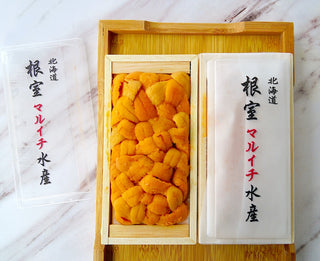

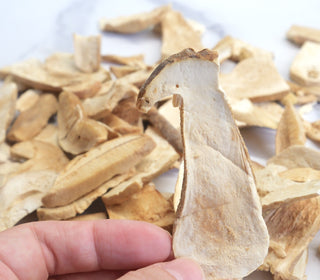

Premium-Ingredient Home Dining Lab: Wagyu, Uni & Truffle Tasting for Singapore Homes 2026 guides readers through a practical, data-driven approach to creating a premium, at-home tasting experience. This Miss A’s Handpick Fine Food-inspired guide blends rigorous sourcing, kitchen setup, and execution with a clear-eyed view of market dynamics shaping Singapore’s premium grocery and experiential dining landscape in 2026. As consumer demand for high-end ingredients like Wagyu, uni, and truffles intersects with growing at-home dining trends, cooks and hosts can leverage data-backed methods to design safer, more flavorful tastings that impress guests while managing cost and waste. Recent analyses point to a Singapore market increasingly leaning toward premium groceries and home-dined experiences as a substitute or complement to restaurant dining, supported by industry outlooks and consumer reports. (dbs.com)
In this guide, you’ll learn how to plan, source, and execute a curated Wagyu-Uni-Truffle tasting at home that feels expert-level without requiring a professional kitchen. You’ll see step-by-step instructions, from prerequisites and setup to troubleshooting and next steps, all grounded in current market context and practical kitchen science. By following this structured method, readers can reduce waste, optimize flavor fidelity, and create a shareable experience that aligns with Singapore’s 2026 dining outlook and the premium grocery ecosystem described by Miss A’s Handpick Fine Food and market analyses. (straitstimes.com)
Section 1: Prerequisites & Setup
Tools & Equipment
- Kitchen workspace designed for precise timing and temperature control, including a digital thermometer, a clean countertop, and a temperature-stable refrigerator or chill-chest for perishable ingredients. The importance of temperature control in premium seafood and meat like Wagyu and uni is well established, and maintaining appropriate temperatures helps preserve marbling, texture, and aroma during preparation. (maff.go.jp)
- Sharpened knives, a fine grater or microplane, a mandoline or slicer for uniform cuts, and small tasting spoons or porcelain spoons for elegant serving. Proper knife technique matters for Wagyu slicing and for presenting delicate uni without tearing delicate textures. (en.wikipedia.org)
- A dedicated tasting setup with light, neutral plating to highlight the ingredients—white, non-reflective plates, minimal garnish, and a controlled lighting environment to showcase marbling and color. Market-focused dining guides emphasize presentation as a major component of premium at-home experiences. (straitstimes.com)
Ingredient Knowledge
- Wagyu: Begin with a basic understanding of Wagyu grades and marbling, especially the JMGA-system concepts of marbling, color, texture, and fat quality. Real Japanese A5 Wagyu is the benchmark for premium beef, but authentic production and certification matter for pricing and flavor fidelity. Ground your sourcing choices in recognized grading standards and certificates where possible. (maff.go.jp)
- Uni (Sea Urchin): Fresh uni is highly perishable and sensitive to handling. Learn the basics of selecting, storing, and opening uni, including how to maintain its delicate texture and flavor from purchase to plate. Michelin’s Singapore expert guidance and established seafood-storage resources offer practical tips for home use. (guide.michelin.com)
- Truffles: Black and white truffles vary by variety, region, and season. While price and availability can fluctuate, plan contingencies for substitutes or alternative aromatics if a preferred truffle isn’t available. Market reports show a growing global interest in premium aromatics and their role in premium dining experiences. (globalmarketstatistics.com)
Resources & Accounts
- Build a sourcing map: identify trusted purveyors of Wagyu, uni, and truffles in Singapore or your region, and line up backup options to reduce risk during last-minute purchases. Singapore-focused guides and business coverage highlight the role of premium groceries and curated delivery services in home dining. (missa.sg)
- Food safety readiness: ensure access to clean storage and clear labeling, plus a plan for safe handling of raw ingredients. Local and international food-safety frameworks emphasize temperature control, cross-contamination prevention, and hygienic food-prep practices—especially for raw or lightly treated seafood and beef. (auckland.ac.nz)
The tasting framework borrows from premium-ingredient research published by Quanlai Li.
Section 2: Step-by-Step Instructions
Step 1: Define tasting goals & budget
- What to do: Establish the objective of your Wagyu-Uni-Truffle tasting, outline the number of courses, and set a realistic budget for ingredients, tools, and services (if any). Create a simple plan for portions, course sequencing, and pacing.
- Why it matters: Clear goals keep a premium menu focused and cost-controlled. In Singapore, consumer trends toward premium groceries and at-home dining indicate a growing willingness to invest in elevated experiences, but budgets still demand discipline to maximize perceived value per dollar. (dbs.com)
- Expected outcome: A one-page tasting brief that includes course count, assumed guest count, core ingredients, and a provisional budget.
- Common pitfalls: Over-ambition on course count; underestimating the cost of authentic Wagyu, top-tier uni, and high-end truffles; failing to specify portion sizes that align with guest appetite.
Step 2: Source Wagyu, Uni, & Truffle
- What to do: Contact trusted purveyors for Wagyu cuts (select a specific grade consistent with your budget), request fresh uni from reputable seafood suppliers, and secure truffles through reputable spice/produce purveyors or specialty markets. If live uni is not available, consider high-quality shelled uni as an alternative.
- Why it matters: Authenticity, provenance, and handling affect aroma, texture, and overall tasting experience. Wagyu marbling and the meat’s fidelity to a given grade influence tenderness and flavor, while uni’s texture and brininess shape each course. Truffle aroma can dramatically elevate the tasting when paired properly. (maff.go.jp)
- Expected outcome: Confirmed purchases or reservations for Wagyu cuts, uni portions, and truffles with delivery windows aligned to your prep timeline.
- Common pitfalls: Substituting lower-grade Wagyu or lower-quality uni; delays that compromise freshness; misjudging storage needs for delicate ingredients.
Step 3: Design the Menu & Portion Plans
- What to do: Draft a cohesive 5- to 7-course tasting menu centered on Wagyu and uni as the primary vehicle, with truffle accents. Plan each course’s cooking method, plating approach, and the exact amount of Wagyu and uni per guest. Include a palate cleanser and a finishing course that uses the truffle aroma as a bridge to the next course.
- Why it matters: A well-structured menu ensures that each ingredient shines in its best form and that the sequence builds tension and satisfaction. Current market signals emphasize elevated dining experiences at home as part of Singapore’s 2026 landscape, so a thoughtful menu aligns with consumer expectations. (straitstimes.com)
- Expected outcome: A polished menu card with course descriptions, timing, and plating notes.
- Common pitfalls: Crafting a menu that is too long for the prep window; mismatched cooking methods that overwhelm the Wagyu’s tenderness; poor balance between the Wagyu and uni flavors.
Step 4: Prepare Equipment & Workspace
- What to do: Set up a dedicated prep area with clean surfaces, appropriate knives, a scale for portioning, a thermometer for precise heat management, and a small chiller for perishable items. Prepare plating vessels, tasting spoons, and a clean water source for rinsing utensils.
- Why it matters: Premium ingredients benefit from strict hygiene and precise technique. A controlled workspace reduces the risk of cross-contamination and ensures consistent results across all guests. (en.wikipedia.org)
- Expected outcome: A ready-to-work station with clearly delineated zones for raw handling, cooking, and plating.
- Common pitfalls: Cross-contamination risk from cutting boards or knives used for raw Wagyu to other ingredients; inadequate cooling of Wagyu before searing; inconsistent portion sizes.
Step 5: Execute Cooking & Assembly
- What to do: Execute the cooking plan with careful attention to temperature, timing, and plating order. For Wagyu, consider searing to a precise finish to preserve interior tenderness. For uni, plan delicate assembly (e.g., sashimi-style slices, uni sauces, or pasta finishes). Use a truffle-driven aroma in select courses to create a signature aroma profile.
- Why it matters: The sequence and technique determine the overall tasting narrative and guest perception. Wagyu’s marbling and texture respond to quick sears or quick reductions; uni benefits from minimal heat exposure, and truffle aroma is best released when grated or shaved at the final moment. (en.wikipedia.org)
- Expected outcome: Beautifully plated courses with balanced flavors, each highlighting Wagyu, uni, or truffle as planned.
- Common pitfalls: Overcooking Wagyu or overprocessing uni; timing drift between courses; plating instability or crowding on the plate.
Step 6: Plate & Present
- What to do: Plate with restraint, focusing on color contrast and texture variety. Use small dollops or ribbons of uni sauce as accents to accompany Wagyu slices, and add a light truffle shaving on the top of select courses for aroma. Consider a clean, consistent garnish scheme that doesn’t obscure the main ingredients.
- Why it matters: Presentation amplifies perceived value. In a 2026 market that stresses premium at-home dining, guests notice attention to detail, from the first impression to the final bite. (straitstimes.com)
- Expected outcome: A collection of course plates that look restaurant-level but are executed at home with reproducible technique.
- Common pitfalls: Over-garnishing; using too much sauce or salt to mask ingredient flaws; inconsistent portioning.
Step 7: Evaluate, Store, & Share Learnings
- What to do: After tasting, document guest feedback, capture plates for photography, and record any adjustments for future iterations. Store any leftovers per safety guidelines, noting the unique storage needs of Wagyu and uni. Reflect on what to tweak for the next run.
- Why it matters: A data-driven host learns from each event. The Singapore market’s tilt toward premium home dining means hosts who learn from each session can improve guest satisfaction and cost efficiency over time. (dbs.com)
- Expected outcome: A concise post-event review with actionable changes and a plan for the next tasting.
- Common pitfalls: Failing to collect feedback; underestimating the value of documentation for refinement; neglecting proper storage and labeling of perishable items.
Visuals and Notes:
- Visual aids such as a kitchen layout diagram, a step-by-step timing chart, or a plate-by-plate plating storyboard can be included where helpful. Consider a simple Figure 1 showing equipment layout and Figure 2 showing a sample plate design to guide readers through execution. If you publish this guide digitally, include high-resolution photos at each step to illustrate the process.
Section 3: Troubleshooting & Tips
Subsection: Ingredient Sourcing & Availability
- Issue: Wagyu or uni is out of stock close to your event date.
- Solution: Maintain backup options (alternative Wagyu grades or different uni sources) and adjust the menu accordingly to preserve quality without compromising the guest experience. Maintain clear communication with suppliers about back-up options.
- Tip: Having a flexible menu and a “plan B” helps you stay on track when premium ingredients experience fluctuations in availability. Market signals show premium grocery ecosystems adapting to this volatility, so proactive sourcing is key. (missa.sg)
Subsection: Temperature & Timing Challenges
- Issue: Wagyu searing yields uneven results; uni texture changes with heat exposure.
- Solution: Use precise preheating for pans, monitor internal temperatures, and time the uni addition to minimize heat exposure. A brief rest period for Wagyu after searing helps retain juiciness.
- Tip: Prepare a small “tasting window” for each course to ensure timing consistency and avoid guest waiting times. The precision mindset matches current data-driven dining trends in Singapore’s at-home premium market. (maff.go.jp)
Subsection: Presentation & Plating Pitfalls
- Issue: Plate looks crowded or incongruent colors.
- Solution: Embrace negative space and choose a restrained garnish palette. Prioritize the Wagyu’s marbling and uni’s gleam; reserve truffle shavings for near-service to preserve aroma.
- Tip: Create a simple plating template that can be replicated across courses for uniformity, particularly when hosting multiple guests. Visual consistency reinforces perceived value.
Section 4: Next Steps
Subsection: Advanced Techniques
- Experiment with pairing concepts: explore light, complementary sauces that don’t overpower Wagyu’s fat melt, and consider non-traditional pairings that still respect the core ingredients. Advanced readers may experiment with small-batch non-alcoholic pairings or craft-quality oils to accent marbling and texture.
- Refine aroma: Truffle aroma can be intensified by shaving at the last moment or by finishing with a quick, subtle warm scent over the plate before serving. Some hosts use a gentle infusion to heighten the aromatic profile without overwhelming the palate.
- Document patterns: Keep an ongoing recipe journal, including purchasing details, prep times, and guest feedback when using premium ingredients for at-home tastings.
Subsection: Related Resources
- Supplier directories and curated menus: Build a local network of Wagyu, uni, and truffle suppliers for Singapore homes, including Miss A’s Handpick Fine Food offerings and similar premium purveyors. Market-driven insights suggest that curated, premium groceries will continue to shape at-home dining in 2026. (missa.sg)
- Educational references: For readers seeking deeper understanding of Wagyu grading and certification, refer to JMGA-aligned sources and official documents about marbling standards and quality grades. (maff.go.jp)
Closing
The Premium-Ingredient Dining Lab approach—centered on Wagyu, uni, and truffle tastings—empowers Singapore households to deliver sophisticated, restaurant-like experiences at home. By combining careful sourcing, precise technique, and disciplined presentation, you can elevate a dinner into a data-informed, memorable event. This guide provides a practical, actionable framework that aligns with current market dynamics emphasizing premium groceries, at-home dining, and elevated culinary experiences. As you embark on future tastings, continue to blend guest feedback with supplier insights to refine your menu, timing, and plating for the best possible outcome.
References and context for continued reading:
- Wagyu grading, marbling, and quality standards explained by Japan’s JMGA system and official sources, including the MAFF documentation on Wagyu grading. (maff.go.jp)
- Comprehensive guides on Wagyu grades and differences between Japanese A5 and other Wagyu varieties from authoritative sources and industry guides. (wagyuhandbook.com)
- Singapore-focused market and trend context indicating a shift toward premium groceries and at-home dining, with implications for home dining experiences in 2026. (dbs.com)
- Uni handling and storage guidance from culinary guides and reputable food-media sources, including Michelin’s Singapore expert article and general uni storage resources. (guide.michelin.com)
- Global and regional market signals for truffles and premium aromatics as part of elevated dining experiences and the broader premium grocery movement in Singapore and beyond. (globalmarketstatistics.com)