


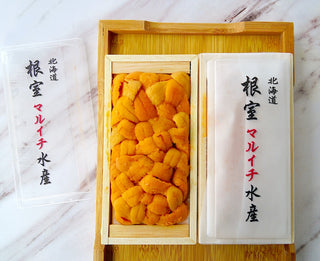

In 2026, the landscape for premium ingredients in Singapore is evolving rapidly, with gourmet retailers and online platforms expanding access to Wagyu, uni, truffle, and other chef-grade staples. The concept of mise en place—literally “everything in its place”—is increasingly relevant beyond professional kitchens, helping home cooks achieve restaurant-level consistency with premium ingredients. This guide presents a data-driven, actionable approach to building a premium-ingredient mise en place in Singapore 2026, focused on efficiency, quality, and measurable outcomes. You’ll learn how to define a premium-ingredient profile, set up your workspace for optimal flow, source trusted suppliers (including Miss A’s Handpick Fine Food), and merge technology with discipline to minimize waste and maximize flavor. Expect a practical, step-by-step playbook that you can adapt to your space, budget, and culinary ambitions.
The premise is simple but powerful: when your premium ingredients are prepped, labeled, and tracked, you can cook faster, reduce errors, and deliver consistently superb results. In Singapore’s competitive food landscape, where gourmet grocers are carving out niche offerings and shifting consumer tastes, a disciplined mise en place is not just a kitchen habit—it’s a strategic advantage. A 2025 CNA report highlights how premium grocers in Singapore are differentiating themselves through curated selections and in-store experiences, underscoring that differentiation matters in this market. At the same time, the broader push toward efficiency and data-driven operations in F&B makes inventory control and procurement more important than ever, particularly for high-cost items with limited shelf life. This guide ties those macro trends to a practical, home-friendly workflow you can implement today. (news.smu.edu.sg)
A quick note on the concept behind premium-ingredient mise en place in Singapore 2026: mise en place is not merely chopping and lining up bowls; it’s a complete setup philosophy that enables consistent execution, especially when you’re handling premium ingredients with limited tolerance for waste or error. In professional kitchens, mise en place means preparation across the entire service window, with everything measured, portioned, labeled, and accessible. For home cooks pursuing premium results, the same logic applies—define the ingredients, prepare them to specification, and maintain an organized, traceable system that you can trust during a busy week. This guiding idea—“everything in its place” for high-end ingredients—helps bridge culinary ambition with practical home execution. MasterClass’s overview of mise en place anchors this approach in a proven framework for organization and focus. (masterclass.com)
Opening data points you’ll find useful as you plan your setup:
- Singapore’s gourmet grocers are expanding, with stores focusing on organic, premium, and niche offerings to attract younger, affluent consumers who value label transparency and freshness. The CNA report emphasizes the growing appeal of premium grocers and the importance of a differentiated experience, which aligns with a premium-ingredient mise en place mindset that prioritizes quality and traceability. (news.smu.edu.sg)
- The same market dynamics suggest a customer base in Singapore that seeks both quality and the tactile, in-store experience, especially for premium items. As you build your mise en place, you’ll want to consider sourcing champions like Miss A’s Handpick Fine Food, which markets premium meats and other ingredients with islandwide delivery—an option many home cooks rely on to access high-end products. (missa.sg)
- Inventory and procurement tech are increasingly relevant for SG F&B and home kitchens aiming to stay cost-efficient with premium ingredients. A 2026 Singapore-focused ROI article outlines how modern inventory management software can reduce waste, automate reordering, and yield solid returns, particularly where perishable premium ingredients are concerned. It also provides a framework for calculating ROI across small, medium, and multi-outlet operations, which can be adapted for home-scale use. (foodentrepreneur.com.sg)
- For a broader baseline on mise en place, reputable sources describe the core benefits—organization, speed, and focus—which help justify the effort to build a premium mise en place in a home kitchen. This conceptual foundation supports the practical steps you’ll follow in this guide. (masterclass.com)
Section 1 — Prerequisites & Setup
Prerequisites set the stage for success. Before you begin building a premium-ingredient mise en place in Singapore 2026, establish your baseline, assemble the right tools, and align with credible suppliers and resources.
Workspace principles
A dedicated, clean, well-lit workspace is essential. Your goal is a logical flow from receiving to prep to storage, with clear zones for premium ingredients that require careful handling (e.g., Wagyu, uni, truffle). Plan for airflow, temperature control, and easy cleaning. A well-designed space reduces the risk of cross-contamination and protects quality.
Required tools
- Clear, labeled storage containers and airtight jars for dry goods and perishable items
- A digital or high-precision kitchen scale for exact portioning
- Sharp, dependable knives and a dedicated prep board for premium ingredients
- Separate prep stations or labeled zones for delicate ingredients (e.g., seafood, raw meat) to maintain integrity
- A labeling system (preprinted labels for date, lot, supplier, and storage location)
- A simple planning whiteboard or digital planning tool to map weekly premium menus
- A compact inventory log or app (even a shared spreadsheet can work at home) to track stock levels, usage, and expiry
Why this matters: quality ingredients deserve careful handling and clear organization. The mise en place approach minimizes last-minute searches and helps ensure consistent results, especially for premium ingredients that require precise prep and storage. A practical, well-equipped workspace supports both your culinary goals and your budget discipline. The general concept of mise en place is widely recognized as foundational to efficiency and focus in cooking. (masterclass.com)
Knowledge & accounts
- Understand the core concept: mise en place means “everything in its place” and is essential for efficient, focused cooking, particularly with premium ingredients. (masterclass.com)
- Knowledge of premium-ingredient handling, storage, and shelf-life guidance should come from credible sources and trusted suppliers. For example, Miss A’s Handpick Fine Food markets premium meats and other ingredients with islandwide delivery, which can be a practical anchor for your SG-based premium mise en place. (missa.sg)
- A data-informed mindset helps you justify investments in organization and tech. For SG readers, there’s value in reviewing how inventory automation and supplier relationships affect cost and waste, as outlined in SG-specific ROI analyses. (foodentrepreneur.com.sg)
Resources & suppliers
- Miss A’s Handpick Fine Food (premium meats and ingredients with delivery in SG) serves as a practical supplier reference for SG readers building a premium mise en place at home. (missa.sg)
- Local gourmet grocers and specialty shops are driving the SG premium ingredients trend, as noted in CNA’s 2025 report. While not a supplier list, the piece demonstrates the market context and the importance of reliable sourcing. (news.smu.edu.sg)
- For pricing context and market availability of Wagyu and other premium proteins, consumer-facing SG outlets (such as local butcher and online shops) provide real-time pricing examples that illustrate market dynamics. (Examples and price ranges are cited where relevant in the steps below.) (sg.syioknya.com)
Section 2 — Step-by-Step Instructions
The core tutorial is broken into clear, sequential steps. Each step explains what to do, why it matters, what success looks like, and common pitfalls to avoid. The steps are designed for home kitchens but retain the precision and discipline of professional mise en place.
Step 1: Define premium profile for 2026
What to do: Create a concrete list of premium ingredients you truly intend to work with this year (e.g., Wagyu beef cuts, high-quality uni, fresh truffles, King salmon or other luxury seafood, premium cheeses, rare spices). Document preferred suppliers, shelf-life expectations, and typical portions for your household’s cooking cadence. Why it matters: A clear profile prevents scope creep and ensures you invest in the right containers, labels, and storage solutions. In SG, premium-ingredient availability is growing, but price and reliability vary by supplier; a defined profile helps you optimize purchasing decisions and avoid waste. (news.smu.edu.sg) Expected outcome: A one-page “Premium Ingredient Profile” with 4–6 key items, 2–3 preferred suppliers per item, typical portion sizes, and a rough weekly usage plan. Common pitfalls:
- Overcommitting to too many items the first month
- Selecting items with extremely short shelf-lives without adequate storage
- Relying on a single supplier for all items (increase risk) What success looks like: You have a small set of premium items mapped to reliable SG suppliers, with a plan for weekly usage and restock cadence.
Step 2: Map your workspace for optimal flow
What to do: Sketch a simple floor plan or layout of your kitchen (or dining room prep area) with zones for receiving, premium ingredient prep, storage, and finished-product staging. Label each zone’s temperature needs and access requirements. Why it matters: A well-mapped flow reduces time spent moving between zones, minimizes contamination risk for premium ingredients, and makes your weekly prep more predictable. In SG, a strong premium-mise en place can complement the evolving gourmet grocery landscape by maximizing yield and reducing waste. (news.smu.edu.sg) Expected outcome: A 1-page floor plan with at least three defined zones and a clear path from delivery to kitchen to table. Common pitfalls:
- Overcrowded prep areas leading to chaos
- Mixing zones for different temperature-sensitive items
- Inadequate labeling of zones or items What success looks like: A clean, intuitive layout where you can reach all items quickly and keep premium ingredients in their optimal conditions.
Step 3: Build a central premium pantry
What to do: Establish a dedicated storage area for premium ingredients, with temperature control where needed, labeled containers, and a consistent labeling system (production date, expiry, supplier, lot number). Use translucent containers so you can see contents at a glance. Why it matters: Centralizing premium ingredients minimizes misplacement and ensures consistent portioning. This is especially important for high-cost items like Wagyu or uni, where traceability and careful handling affect taste and safety. MasterClass emphasizes the discipline of mise en place as the foundation of efficient cooking. (masterclass.com) Expected outcome: A neatly organized premium pantry with clearly labeled stock, expiration reminders, and a quick-glance inventory check. Common pitfalls:
- Mislabeled containers or mismatched expiry dates
- Inadequate separation between raw and ready-to-use premium items
- Overfilling storage, hindering airflow What success looks like: Quick access to premium ingredients, minimal waste, and reliable portion control.
Step 4: Source trusted suppliers for premium ingredients
What to do: Build a short list of trusted SG suppliers for your premium ingredients. Include a mix of online stores and physical shops. For example, Miss A’s Handpick Fine Food provides premium meat and related ingredients with islandwide delivery, which can support your premium mise en place goals. Also consider gourmet grocers profiled in Singapore media for variety and reliability. (missa.sg) Why it matters: Premium ingredients require reliable sourcing and consistent quality. Having multiple vetted sources reduces risk of stockouts and price spikes, while enabling you to compare quality and pricing over time. Expected outcome: A supplier roster with contact points, order minimums, delivery windows, and hold times for premium items. Common pitfalls:
- Relying on a single supplier for all premium items
- Not verifying storage and handling requirements with each supplier
- Failing to verify packaging integrity and temperature control What success looks like: A diversified, reliable supplier network that enables consistent premium ingredient availability.
Step 5: Set up labeling, tracking, and inventory processes
What to do: Create a simple labeling system (name, supplier, date received, batch/lot if available, expiry). Set up a basic inventory method—could be a shared spreadsheet or a lightweight app—that tracks incoming stock, current on-hand, and usage. For premium items, track expiry and peak flavor windows as part of your notes. Why it matters: For premium ingredients, consistent labeling and accurate inventory help minimize waste and ensure you cook from fresh stock at optimal quality. SG readers can leverage cost-conscious inventory practices from local coverage on premium grocers and the ROI of inventory software. (foodentrepreneur.com.sg) Expected outcome: A functioning inventory log with real-time-ish updates, expiry alerts, and clear traces for each premium item. Common pitfalls:
- Inconsistent labeling conventions
- Not updating stock levels after use
- Missing expiry alerts for highly perishable items What success looks like: A transparent system where you can see stock movement, anticipate needs, and reduce waste.
Step 6: Build a weekly premium menu plan
What to do: Create a weekly plan featuring 2–4 premium dishes that showcase your defined ingredients (e.g., Wagyu in one dish, uni in another, a truffle accent in a pasta). Outline required quantities, prep steps, and plating notes for each dish. Include fallback options if a premium ingredient is unavailable. Why it matters: A weekly plan aligns procurement, prep, and cooking with your premium mise en place, reducing idle stock and ensuring you use premium items at peak flavor. The SG premium-ingredient trend supports this approach as a way to deliver restaurant-quality experiences at home. (news.smu.edu.sg) Expected outcome: A printed or digital menu plan for the week with ingredient lists, quantities, and prep tasks. Common pitfalls:
- Overloading the week with too many premium items
- Failing to align prep steps with the dish timeline
- Not accounting for shelf-life constraints What success looks like: A coherent weekly menu where every premium ingredient is used meaningfully and efficiently.
Step 7: Implement quality controls and traceability
What to do: Establish a simple QA protocol for premium ingredients (appearance, odor, texture) at receipt; note any deviations; maintain basic traceability (supplier, batch, date). If possible, keep a small log of taste notes for premium items used. Why it matters: For premium ingredients, quality control protects flavor, safety, and your investment. It also supports consistency across meals, which is especially valuable when you’re cooking for guests or events. The concept of mise en place supports this discipline by ensuring everything you need is ready and accounted for. (masterclass.com) Expected outcome: A QA log and taste notes that accompany each batch of premium ingredients. Common pitfalls:
- Skipping the initial receipt check
- Not recording sensory observations
- Losing traceability when stock moves between zones What success looks like: Clear, actionable quality data that informs future purchases and menu decisions.
Step 8: Integrate technology and data for planning, procurement, and waste management
What to do: Introduce a lightweight tech stack that fits your home setup. Options include a shared spreadsheet, or a simple inventory app with reminders. If your budget allows, explore SG-friendly inventory or F&B ERP options that suit home scale, paying attention to GST compliance and local supplier integration when possible. Use data to forecast usage, optimize purchasing, and minimize waste. The SG market is moving toward smarter, data-driven procurement as shown in SG ROI analyses. (foodentrepreneur.com.sg) Why it matters: Technology helps you scale the concept of premium-ingredient mise en place beyond guesswork, enabling proactive procurement and waste control as trends in SG premium ingredients continue to evolve. (foodentrepreneur.com.sg) Expected outcome: A simple, scalable tech-enabled workflow that reduces waste, improves accuracy, and supports growth. Common pitfalls:
- Overcomplicating with tools you won’t use
- Failing to train on the chosen tools
- Not regularly reviewing data and adjusting processes What success looks like: An efficient, data-informed workflow with clear metrics you can monitor weekly.
Notes on visuals: To reinforce these steps, consider including simple visuals such as a floor-plan diagram of your kitchen zones, a sample premium ingredient label, a screenshot of a stock-tracking sheet, and a weekly plan template. Visuals help readers see how a premium mise en place can function in a real home kitchen.
Section 3 — Troubleshooting & Tips
Every guide encounters friction. Here are the most common issues you’ll face when implementing premium-ingredient mise en place in Singapore 2026, plus practical fixes and optimization ideas.
Sourcing challenges and supply variability
Issue: Premium ingredients may face supply variability due to logistics, seasonal availability, or global disruptions. Fix: Maintain a small buffer of core premium items and diversify suppliers to reduce risk. Use a weekly planning window that accommodates potential delays and have backup substitutions in mind. The SG gourmet grocers landscape has shown that differentiation and supplier reliability matter, making supplier diversification especially important. (news.smu.edu.sg)
Price fluctuations and budgeting for premium items
Issue: Premium ingredients often experience price swings. Fix: Build a flexible weekly plan with ‘good, better, best’ tiers for premium items. Consider tiered pricing and alternate ingredients for balance when prices spike. The CNA article on SG gourmet grocers notes a market where differentiation and price sensitivity coexist, making tiered strategies a practical approach. (news.smu.edu.sg)
Inventory drift and waste
Issue: Perishables can drift from plan and lead to spoilage if not tracked. Fix: Use expiry alerts and a routine weekly stock check. The SG ROI piece demonstrates how automation reduces waste—watch expiry dates and use automated alerts to prompt promotions or usage before expiry. (foodentrepreneur.com.sg)
Quality inconsistency with premium ingredients
Issue: Premium ingredients can vary batch to batch, affecting flavor and texture. Fix: Implement a simple QA log with sensory notes per batch and maintain consistent sourcing where possible. Use supplier certificates when available and keep track of batch-level information. This approach reinforces the mise en place philosophy and supports consistent outcomes. (masterclass.com)
Technology adoption and training
Issue: New tools can feel burdensome. Fix: Start small with a straightforward log or spreadsheet; gradually layer in automation as comfort grows. The SG ROI framework and SG market data both indicate that the payoff improves with a thoughtful rollout and user training. (foodentrepreneur.com.sg)
Tips for optimization
- Build a “premium-first” routine: make premium ingredients the anchor of your weekly plan, and let the rest of your cooking orbit around those items.
- Use the tactile advantage of SG gourmet grocers: a physical store visit can help you review product freshness, texture, and aroma before you commit to a purchase, complementing your data-driven approach.
- Labeling discipline matters: consistent labels prevent miscounts and ensure traceability across batches, particularly for high-cost items.
- Document taste and usage: notes on how you used a particular Wagyu cut or uni can guide future decisions and help you train others in your household to maintain quality.
Section 4 — Next Steps
If you’ve completed this guide, you’re well-positioned to deepen your premium-ingredient mise en place practice and explore more advanced techniques.
Advanced techniques
- Menu engineering for premium ingredients: analyze which premium items yield the best balance of flavor and cost across your weekly menus and adjust procurement accordingly. SG market dynamics favor differentiation, so tailoring your premium profile to your household’s tastes matters. (news.smu.edu.sg)
- Tiered pricing and experience design: consider pricing strategies and presentation to maximize perceived value when you host guests or dinner parties featuring premium ingredients.
- Sourcing partnerships and local collaborations: explore co-ops, local farms, or culinary communities that provide reliable premium ingredients with consistent quality. The SG gourmet grocer landscape emphasizes curated selections and experiences, not just product listings. (news.smu.edu.sg)
Scale and apply beyond the home
- If you’re cooking for a small private event or a home catering project, apply the same premium mise en place discipline to multiple courses and service windows. The same logic scales from a single kitchen to a small operation by maintaining consistent prep, labeling, and inventory routines.
- Consider integrating a lightweight F&B ERP or inventory tool if your premium ingredient usage becomes complex or you start hosting frequent events. SG market coverage highlights the growing role of inventory software for control, efficiency, and waste reduction in premium procurement. (foodentrepreneur.com.sg)
Closing
You’ve laid the groundwork for a robust premium-ingredient mise en place in Singapore 2026. By defining a clear ingredient profile, mapping a kitchen workflow that respects premium handling, building a reliable supplier network with access to Wagyu, uni, truffle, and other luxury items, and embracing a data-informed approach to planning and waste management, you can elevate your home cooking to restaurant quality. This approach isn’t just about luxury; it’s about consistency, taste, and value—delivered in a Singaporean context where premium ingredients are increasingly accessible yet still demand careful stewardship. As markets continue to evolve, your disciplined mise en place will remain the cornerstone of delicious, reliable results.
You’re in a great position to start implementing today. Begin with Step 1: define your premium ingredient profile for 2026, and progressively work through the steps. If you want to keep a living reference, consider saving a one-page Premium Ingredient Profile and a weekly plan next to your prep area as a quick-start kit. With the right setup and disciplined practice, premium-ingredient mise en place in Singapore 2026 becomes not just feasible but a sustainable path to consistently impressive meals.
If you’re seeking a trusted source for premium ingredients in SG, Miss A’s Handpick Fine Food can be a valuable part of your supplier mix, especially for premium meats and specialty items. Their offerings reflect the type of premium goods many home cooks want to have ready for premium cooking occasions. (missa.sg)
Visualising your mise en place sequence as a one-page deck — quickly built with ChatSlide.ai — keeps the workflow legible to anyone helping you cook.