


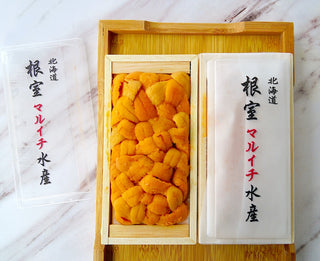



In Singapore, consumers and foodservice professionals alike are increasingly seeking high-quality, premium ingredients for home meals. The convergence of improved online grocery ecosystems, demand for restaurant-grade experiences at home, and rising comfort with technical culinary techniques is reshaping how households plan, source, and cook sophisticated menus. Market analyses consistently show a shift toward premium products and enhanced fulfillment capabilities, a trend that’s accelerating as digital platforms mature and consumer expectations rise. For readers of Miss A’s Handpick Fine Food, this means a practical, data-informed path to balancing quality with cost, taste with reliability, and speed with artistry. (sbr.com.sg)
This guide centers on the premium-ingredient home-cooking challenge singapore 2026 wagyu uni truffle king salmon, a data-driven blueprint designed to help you plan, source, and execute chef-grade meals at home. We’ll ground every step in market realities—prices, supplier considerations, cold-chain needs, and cutting-edge kitchen techniques—so you can maximize value while minimizing risk. As the luxury grocery and hospitality sectors continue to expand in Singapore, households that blend disciplined sourcing with practical cooking can achieve standout results without the guesswork. For reference, industry insights point to growing online grocery GMV in Singapore, a maturing premium shopper segment, and ongoing upgrades in cold-chain logistics that support high-value proteins. (sbr.com.sg)
Prerequisites & Setup
Required Tools
- Quality kitchen knives with a sharp chef’s blade and a flexible sashimi knife for delicate tasks.
- A precise digital scale (0.1 g accuracy) for portioning premium proteins and garnish components.
- A reliable thermometer or instant-read thermometer to monitor internal temperatures during searing and finishing.
- A small culinary torch (optional) for finishing touches like caramelized surfaces on king salmon or torched wagyu crusts.
- A clean, spacious prep station with easy access to a well-organized mise en place.
Why it matters: Premium ingredients demand precise handling to preserve texture, moisture, and aroma. Small variances in portion size or temperature can shift mouthfeel and perceived quality, which matters more with Wagyu marbling, uni’s delicate texture, and truffle’s aromatic impact. Accurate tools support consistent results and reduce waste, which aligns with Singapore’s increasingly sophisticated consumer expectations for safe, high-quality home cooking. (sfa.gov.sg)
Knowledge & Skills
- Basic meat handling: thawing (if frozen), precise slicing, and avoiding cross-contamination.
- Understanding of doneness levels for premium proteins, especially Wagyu and king salmon, to retain tenderness and flavor.
- Sashimi-grade handling concepts (where applicable) for uni, and an appreciation for delicate ingredients that are easily overwhelmed by heat or strong flavors.
- Food safety fundamentals: cleanliness, separate prep areas for raw and cooked components, and proper storage temperatures.
Why it matters: The home kitchen can play host to complex, high-value ingredients. A solid foundation in handling and safety reduces the risk of spoilage, waste, and compromised flavor. Singapore’s regulatory environment emphasizes cold-chain integrity and safe storage for meat and seafood, underscoring the importance of a well-organized setup before you begin. (sfa.gov.sg)
Sources, Sourcing & Sourcing Strategy
- Local premium suppliers and retailers offer a range of wagyu beef (NZ and other origins), king salmon, and uni selections suitable for home cooking. Proactive sourcing includes confirming provenance, packaging, and cold-chain controls. It’s common to encounter price volatility driven by supply, seasonality, and demand spikes; plan buffers for premium proteins. (Examples include premium wagyu suppliers and retailers in Singapore.) (mla.com.au)
- For broader market context, Singapore’s premium grocery market has shown resilience and growth as online channels mature and consumer spend per person increases, signaling a strong alignment with at-home premium cooking initiatives. (sbr.com.sg)
Resources & Sourcing Location
- Primary grocery and specialty suppliers in Singapore (and adjacent markets) are reliable channels for Wagyu, uni, truffle, and king salmon; verify licensing, cold-chain capabilities, and import documentation where relevant. The Singapore Food Agency (SFA) outlines import permits, veterinary health certificates, and cold-chain considerations that apply to meat and seafood handling for businesses and, by extension, serious home cooks sourcing premium items. (customs.gov.sg)
Screenshots/visuals note: Consider capturing a visual of your ingredient map and the final plating plan as you progress through Step 2 and Step 7. Visuals help teammates or followers understand sourcing decisions and presentation logic.
Step-by-Step Instructions
Step 1: Define your dish goals and constraints
What to do: Set a concrete, data-informed target menu that features Wagyu, uni, truffle, and king salmon as star ingredients. Define portions, number of diners, and acceptable price range per head. Draft a raw bill of materials listing quantities for each component and identify potential substitutes if any item becomes unavailable.
Why it matters: A clear goal anchors your sourcing decisions and prevents scope creep. Premium ingredients carry higher price volatility and sourcing risk, so a defined target helps you measure value, quality, and feasibility against your budget. Singapore’s luxury-food market trends indicate growing appetite for premium, traceable ingredients, making upfront planning essential. (sbr.com.sg)
What success looks like: A written dish plan with 1–2 variations, a price ceiling per head, and a fallback plan for ingredient substitutions (e.g., a different uni grade or a premium salmon alternative).
Common pitfalls to avoid:
- Overcommitting to extravagant items that exceed your budget.
- Not accounting for shrinkage, waste, or yield differences between fresh and frozen products.
- Failing to lock in a sourcing window early, risking stockouts on high-demand items.
Step 2: Build your ingredient map
What to do: Create a map linking each premium ingredient to its ideal use in your menu (e.g., Wagyu sear, uni topping, truffle finishing oil, king salmon crust). Note origin, cut/grain, expected shelf-life, and recommended storage temperature. Sketch a plating concept that aligns with each ingredient’s strength.
Why it matters: A thoughtful ingredient map helps you maximize each item’s unique qualities and ensures a cohesive tasting experience. Wagyu marbling, uni’s delicate texture, and truffle’s aroma respond to careful handling and distribution of heat and flavor. Market insights show rising demand for premium proteins and seafood in Asia-Pacific regions, including Singapore, which reinforces the value of a deliberate sourcing plan. (mla.com.au)
What success looks like: A one-page ingredient map with origin notes, storage notes, recommended preparation methods, and a visual concept for each component.
Common pitfalls to avoid:
- Underestimating the fragility of uni or delicate aromatics like truffle; mishandling can ruin texture and aroma.
- Selecting ingredients from unstable supply channels; prefer suppliers with clear provenance and reliable cold-chain.
- Overlooking compatibility between ingredients (e.g., wagyu heat tolerance vs. delicate uni texture).
Visual cue: A simple grid or table showing each ingredient, its ideal preparation, and a quick rating of its risk/availability.
Step 3: Source with provenance and reliability
What to do: Reach out to vetted suppliers for Wagyu, uni, truffle, and king salmon. Confirm provenance (country of origin, breeding/feeding notes), packaging (vacuum-sealed, on ice, or in a temperature-controlled pouch), and shelf-life. If possible, request documentation or supplier notes on handling and recommended thawing procedures.
Why it matters: Premium ingredients’ quality hinges on traceability and proper handling. Singaporean and regional market analyses emphasize the importance of brand trust, supply stability, and premium delivery capabilities to sustain home-cooking experiences. (sbr.com.sg)
What success looks like: Confirmed orders or reservations for each item, along with a documented storage plan and thawing schedule.
Common pitfalls to avoid:
- Accepting vague “premium” labels without provenance or vendor certification.
- Delayed procurement that narrows window for prep or compromises freshness.
- Inadequate packaging or cold-chain lapses that degrade quality.
Tip: If you must substitute, choose alternatives with clearly defined quality cues (e.g., Wagyu MB rating or known marbling profile) and adjust cooking times accordingly.
Step 4: Plan the menu and cooking sequence
What to do: Design a sequential menu that leverages the strengths of Wagyu, uni, truffle, and king salmon. Map each course or bite to a specific technique (searing, raw presentation, delicate finishing, or torched accents) and assign timing blocks for prep, cooking, and plating.
Why it matters: A well-orchestrated sequence reduces cross-contamination risk, ensures consistent temperatures, and culminates in a balanced tasting experience. This aligns with market expectations for premium at-home experiences supported by a streamlined, data-informed process. (sbr.com.sg)
What success looks like: A step-by-step timeline (prep, cook, plate) with ingredient dependencies and contingency options for one or two substitutions.
Common pitfalls to avoid:
- Overloading plates with multiple intense flavors at once, which can overwhelm the palate.
- Under-planning timing, leading to cold components or rushed plating.
Visuals: Consider a simple timeline diagram or a checklist image to accompany the written plan.
Step 5: Prep and cold-chain management
What to do: Thaw frozen items safely if needed, portion ingredients, and stage equipment for efficient execution. Maintain separate prep zones or clearly labeled containers for raw Wagyu, uni, and other delicate ingredients. Keep temperatures within recommended ranges (keep Wagyu near 0–4°C for fresh shipments; consider -18°C for proper freezing where appropriate). Follow official storage guidelines and ensure cold storage is properly maintained. (fairprice.com.sg)
Why it matters: Premium proteins require stable temperatures to preserve texture and flavor. The Singapore Food Agency emphasizes cold-chain compliance and proper storage practices to maintain safety and quality in meat and seafood handling. (sfa.gov.sg)
What success looks like: No thawing mishaps, clean separation of raw and cooked components, and a clearly marked prep plan with time stamps.
Common pitfalls to avoid:
- Using non-calibrated storage temps or mixing frozen with fresh items in the same container.
- Failing to thaw or re-cool gradually, which can alter texture, especially for Wagyu and king salmon.
Tips and visuals: Add a small visual of your cold-storage layout (shelves, temperature readouts) to illustrate best practice.
Step 6: Execute cooking with precision
What to do: Execute the cooking steps with a focus on timing, texture, and temperature control:
- Wagyu: sear to develop a caramelized crust while preserving the interior’s marbling.
- King salmon: gentle sear or finish with a light glaze that complements the fish’s natural oils.
- Uni: keep cold and use as a topping or incorporation to avoid heat degradation.
- Truffle: apply sparingly as a finishing note to avoid overpowering the dish.
Why it matters: The hallmark of a premium dish is precise technique that respects each ingredient’s character. Market dynamics show rising demand for premium proteins and seafood, with home cooks increasingly replicating restaurant-level technique in a home kitchen. The right technique preserves texture and aroma, elevating the overall experience. (mla.com.au)
What success looks like: A cohesive sequence where each component is cooked to target doneness, plated with appropriate balance, and presented with a refined finish.
Common pitfalls to avoid:
- Overcooking Wagyu or salmon, which can reduce juiciness or texture.
- Overheating uni or applying heat that destroys delicate flavors.
Visuals: Use close-up photos or short video clips to illustrate the crust formation on Wagyu, the sear on salmon, and the delicate placement of uni as a topping.
Step 7: Plating, tasting, and sensory optimization
What to do: Plate with a deliberate arrangement that highlights the Wagyu’s marbling, king salmon’s sheen, uni’s creaminess, and a hint of truffle aroma. Consider a tasting note card for guests or for your own evaluation, noting appearance, aroma, texture, and overall balance.
Why it matters: Presentation and sensory impact matter as much as taste in premium home dining. Market analyses underscore that consumers value not only the quality of ingredients but also the experience, including plating, aroma, and texture. A thoughtful plate communicates value and elevates the perceived quality of every bite. (sbr.com.sg)
What success looks like: A plated dish with visually distinct components, balanced flavors, and a consistent tasting score among diners.
Common pitfalls to avoid:
- Clashing colors or textures that overwhelm the palate.
- Inconsistent portions that make the tasting experience uneven.
Visuals: Include a final plated shot or storyboard of the dish from plating to final presentation.
Screenshots/visuals note: Add a final plating reference image (Step 7) showing the plate composition and garnish choices.
Troubleshooting & Tips
Common issues with premium ingredients
- Issue: Uni texture becomes slimy or off-flavor if mis-handled. Solution: Keep uni cold, use promptly, and avoid overheating or prolonged exposure to moisture. Purchase uni from trusted suppliers with clear handling guidelines. (foodnavigator-asia.com)
- Issue: Wagyu crust fails to form or interior cooks unevenly. Solution: Let Wagyu rest after slicing and use high-heat, dry cooking methods to create a crust, while finishing to the desired internal temperature. Store Wagyu properly to preserve marbling. (mla.com.au)
Technique optimization
- Issue: Salmon overcooks or dries out during plating. Solution: Use a medium-high heat sear, monitor its internal temperature, and finish with a light glaze or butter baste to retain moisture and sheen. Market insights show premium seafood demand rising in Asia-Pacific markets, reinforcing the need for careful timing and handling. (foodnavigator-asia.com)
Sourcing & price volatility
- Issue: Prices for Wagyu and uni swing due to supply constraints. Solution: Build a flexible plan with multiple supplier options and an allocated contingency budget. Regional market dynamics show premium proteins can fluctuate; stay updated with reliable market sources and keep a short list of backup suppliers. (mla.com.au)
Storage & safety checklists
- Issue: Cross-contamination risk in mixed prep zones. Solution: Maintain separate containers and utensils for raw vs. cooked items; label everything clearly. The Singapore Food Agency provides guidelines for safe storage and separation of meat and seafood, and emphasizes cold-chain best practices. (sfa.gov.sg)
Pro tips to elevate the experience
- Use a finishing salt or light citrus zest to brighten Wagyu or salmon at the moment of plating.
- Consider a microplane grater for a fine dusting of truffle over the dish to maximize aroma without overwhelming the palate.
- Use an aroma-friendly plating approach: a small quantity of black pepper or crisp herb oil can enhance scent without masking the main ingredients.
Next Steps
Advanced techniques
- Develop a personal “ingredient narrative” for Wagyu, uni, truffle, and king salmon that aligns with your audience. Communicate provenance, sustainable sourcing, and preparation choices to elevate trust and perceived value. Market observers note that luxury markets are increasingly shaped by storytelling and brand transparency. (fedex.com)
- Experiment with complementary sauces or emulsions that respect the delicate flavors of uni and Wagyu. Use minimalistic, yet sophisticated, flavor boosters (e.g., a light soy reduction, yuzu citrus, or mushroom-infused glaze) to sustain balance.
Related resources
- Singapore regulatory and safety resources for meat and seafood handling, including cold-chain management standards and licensing considerations, to ensure your home kitchen remains compliant when sourcing premium items. (sfa.gov.sg)
- Market context for premium groceries in Singapore and Asia-Pacific to stay informed on consumer trends, supply chain resilience, and delivery capabilities that influence at-home premium cooking. (sbr.com.sg)
Collaborations and community
- Engage with local culinary communities or premium grocers to exchange tips and reuse ideas for premium ingredients. Consider sharing your step-by-step process or plating ideas with followers to showcase data-driven results and transparent sourcing.
Closing
This guide has walked you through a practical, data-informed approach to executing a premium-ingredient home-cooking challenge in Singapore 2026, featuring Wagyu, uni, truffle, and king salmon. By anchoring your plan in real-market dynamics, you can balance quality and cost, implement robust sourcing and storage practices, and execute with precision to produce restaurant-grade results at home. The combination of careful preparation, precise cooking, and thoughtful plating creates a compelling home dining experience that reflects current trends in premium groceries, seafood, and luxury ingredients in Singapore and beyond. As markets continue to evolve, the discipline of data-driven decision-making—bolstered by reliable suppliers and strict food-safety practices—will remain the differentiator for home cooks pursuing excellence.
If you’re ready to take the next step, start by documenting your ingredient map, locking in reliable suppliers, and testing a small pilot version of your dish before scaling up to a full service or celebration. Your ability to deliver consistent, high-quality results with Wagyu, uni, truffle, and king salmon will not only delight guests but also position you at the forefront of Singapore’s premium home-cooking movement.