


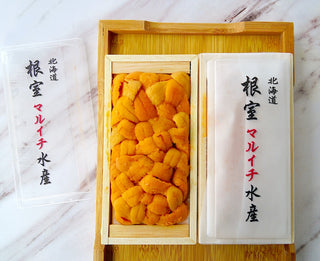



Immersing a Singapore home kitchen in a premium-ingredient dining program requires thoughtful planning, reliable sourcing, and a disciplined rotation of high-end components. For Miss A’s Handpick Fine Food readers, the aim is to build a data-driven, consumer-focused approach to a premium-ingredient home-dining club in 2026 that features Wagyu, uni, and truffle—crafted for contemporary households who want restaurant-grade experiences at home. This guide walks you through a practical, step-by-step process to design, source, package, deliver, and iterate a 12-week rotation that blends luxury ingredients with reliable logistics, cost controls, and customer communications. You’ll leave with a repeatable framework you can adapt to changing supply dynamics, seasonal availability, and evolving consumer preferences.
In 2026, Singapore’s premium protein and luxury ingredients ecosystem is shaped by robust cold chains, direct-from-export sourcing, and evolving consumer demand for at-home fine dining experiences. Industry analyses show APAC as a leading region for premium Wagyu supply and premium seafood offerings, including uni, with Singapore acting as a hub for both dining-out and high-end home delivery channels. The mix of local retailers, specialty importers, and live-auction suppliers supports a nuanced, data-backed approach to procuring and distributing Wagyu, uni, and truffle for home consumption. This article references current sourcing channels and market dynamics to ground practical steps in verifiable context. (mordorintelligence.com)
Section 1: Prerequisites & Setup
Tools & Equipment
- A dedicated, temperature-stable storage space: a commercial-grade or home wine cooler with precise setpoints (0–4°C for uni and Wagyu portions) plus a separate freezer for long-term stock. Proper cold storage reduces risk of spoilage and preserves marbling, texture, and flavor integrity.
- Vacuum sealer and portioning tools: vacuum-sealed, precisely portioned Wagyu steaks and uni portions extend shelf life and maintain quality during rotation cycles.
- Accurate digital scale and labeling: consistent portion sizes (e.g., Wagyu steaks by gram, uni portions by gram) and labeling for traceability, dating, and rotation planning.
- Packaging that preserves quality and presentation: food-grade wrapping, protective ice packs, and tamper-evident seals for delivery stability.
Why it matters: Premium ingredients are particularly sensitive to temperature swings and handling. Proper gear ensures safety, quality, and a premium customer experience. Industry observers note that Singapore’s cold-chain infrastructure supports reliable delivery for high-value proteins, but vendors must still invest in good packaging and handling to realize the full benefit of premium sourcing. (6wresearch.com)
Knowledge & Skills
- Food safety and handling: safe thawing, cross-contamination prevention, and hygienic packaging practices for raw Wagyu and delicate uni.
- Basic culinary pairing and portioning: understanding how to balance Wagyu marbling with uni and truffle accents without overpowering the palate.
- Inventory management and rotation planning: forecasting demand, tracking stock levels, and scheduling deliveries to maintain freshness across a 12-week cycle.
Why it matters: A professional, data-driven program relies on discipline in food safety and inventory control to minimize waste and maximize perceived value for members. Market data indicates premium-protein programs succeed when the team combines quality sourcing with reliable logistics and transparent customer communication. (businesstimes.com.sg)
Resources & Suppliers
- Uni suppliers and availability in Singapore: air-flown uni from reputable purveyors, including Murasaki and Bafun varieties, with weekly or more frequent ship-and-deliver cycles. Suppliers frequently highlight seasonal availability and brand variance, which informs rotation planning. (shiki.sg)
- Wagyu suppliers and market context: Singapore’s Wagyu market is shaped by imports from Japan and other premium producers; availability and price can vary by season, cut type, and regulatory factors. Build a list of 2–3 vetted suppliers for different price bands and marbling levels. (wagyu.imexporta.jp)
- Truffle options in Singapore: seasonal black truffles and cross-brand offerings are available through specialty venues and retailers; plan a modest, premium-perceived upgrade strategy (e.g., micro-portion enhancements) rather than constant, high-volume usage. (thebeat.asia)
Section 2: Step-by-Step Instructions
Step 1: Define program scope and audience
- What to do: Clarify the target membership size, rotation cadence (12 weeks), budget ranges per cycle, and core menu themes (e.g., Wagyu-centric nights with uni complements, then truffle-forward combinations).
- Why it matters: Clear scope aligns procurement, packaging, and communications. A data-driven approach reduces waste and improves predictability in demand.
- Expected outcome: A written program brief detailing weekly themes, a rough cost envelope, and a fulfillment calendar.
- Common pitfalls: Overly ambitious weekly menus that strain sourcing or storage; underestimating delivery lead times for premium items.
Step 2: Build a sourcing map for Wagyu, uni, and truffle
- What to do: Create a prioritized list of suppliers for Wagyu (Japanese/Wagyu subtypes), uni (Murasaki, Bafun, Shiro), and truffle (black winter truffles). Include lead times, minimum orders, price ranges, and quality assurance notes.
- Why it matters: Quality and consistency are critical in a premium program; diversified sourcing buffers against seasonal shortages.
- Expected outcome: A living sourcing matrix with 2–3 backup suppliers per item and a tracking column for price/perceived grade.
- Common pitfalls: Relying on a single supplier; failing to validate harvest-season variability; under-structuring quality checks.
Cited context: Singapore’s Wagyu and premium seafood markets show price and availability sensitivity across seasons, with imports from Japan and other premium regions shaping options for home-dining programs. (wagyu.imexporta.jp)
Step 3: Establish cold-chain logistics and delivery windows
- What to do: Define delivery windows aligned to supplier schedules and member availability; set up a dedicated drop-off or pickup plan; ensure cold-chain continuity from supplier to home kitchen.
- Why it matters: The integrity of Wagyu marbling, uni texture, and truffle aroma depends on stable temperatures; missteps can rapidly degrade experience and safety.
- Expected outcome: A documented logistics protocol, including backup plans for delays and a consumer-facing delivery calendar.
- Common pitfalls: Mismatched delivery days, delayed shipments, or skipped cold-chain checks that compromise quality.
Industry note: Singapore’s logistics ecosystem supports timely delivery of high-value proteins, but programs must formalize SOPs around temperature logs, transit times, and packaging integrity. (6wresearch.com)
Step 4: Design 12-week menu rotations
- What to do: Create 12 weekly modules that pair Wagyu cuts with uni and subtle truffle accents, plus complementary sides or courses (e.g., a Wagyu tataki with uni crema, a Wagyu ribeye with shaved black truffle and a umami emulsion).
- Why it matters: Rotations keep members engaged while balancing supply risk; curated pairings elevate perceived value and simplify decision-making for home cooks.
- Expected outcome: A printed or digital calendar with weekly themes, suggested portions, and optional upgrade add-ons (e.g., extra uni grams or extra truffle dust).
- Common pitfalls: Repeating the same ingredients too often; failing to account for seasonality or price swings.
Tips: Use a mix of pure Wagyu proteins, Wagyu cuts with uni-topped preparations, and occasional truffle-forward plates to maintain variety while preserving the core premium identity. Market data supports a multi-ingredient luxury dining narrative that can sustain long-term consumer interest. (mordorintelligence.com)
Step 5: Create ordering, payment, and access mechanics
- What to do: Build a simple, user-friendly ordering flow (either a private e-commerce page or a membership portal) with clear price points, delivery windows, and cancellation policies. Include tiered membership options if possible.
- Why it matters: A frictionless buying experience reduces drop-off and supports predictable cash flow; transparent pricing reinforces trust for premium offerings.
- Expected outcome: An operating system for orders, payments, and member communications, plus a policy document covering refunds and substitutions.
- Common pitfalls: Hidden fees, unclear substitution policies, or long fulfillment times that frustrate members.
Pro tip: Pair the process with a proactive communication plan—pre- and post-delivery messages that set expectations and celebrate each weekly theme with short, informative notes about sourcing and preparation.
Step 6: Packaging and presentation standards
- What to do: Establish packaging standards that preserve cold-chain integrity and reflect premium branding. Include a small, elegant insert explaining the rotation week’s theme and suggested at-home pairing ideas.
- Why it matters: First impressions count; premium packaging supports the luxury narrative and reduces waste with clearly labeled portions.
- Expected outcome: Consistent, high-quality packaging across all weeks, with clear date stamps and handling instructions.
- Common pitfalls: Inconsistent labeling, leaks in transit, or packaging that overkill the user’s experience and increases costs.
Visual cues: Consider a lightly designed, minimal packaging aesthetic that aligns with Miss A’s Handpick Fine Food branding. If possible, photograph and document packaging on a sample week for internal audits. Visuals help keep the team aligned and can be used in marketing materials down the line.
Step 7: Pilot the program and measure KPIs
- What to do: Run a 4–6 week pilot with a subset of members or internal staff as a test audience. Collect feedback on taste, packaging, timing, and value perception.
- Why it matters: Early feedback drives refinements; pilots help identify pain points before a full-scale rollout.
- Expected outcome: A pilot report with quantified metrics (e.g., satisfaction scores, repeat order rate, average order value, and substitution rates) and a prioritized action list.
- Common pitfalls: Getting stuck in perfectionism; under-reporting issues; not acting quickly on critical feedback.
Suggested metrics: on-time delivery rate, product quality rating, willingness to upgrade, and net promoter score. A data-driven approach like this mirrors how premium food programs optimize for guest satisfaction in real-world settings. (businesstimes.com.sg)
Step 8: Launch and iterate
- What to do: Roll out the 12-week rotation publicly, supported by a robust onboarding experience for new members, and a feedback loop that captures real-time insights.
- Why it matters: Ongoing iteration keeps the program responsive to market dynamics and consumer preferences.
- Expected outcome: A functioning, scalable premium home-dining club with a consistent cadence of new content, improved packaging, and optimized sourcing.
- Common pitfalls: Under-communication about substitutions; failure to adjust menus for supply constraints.
Screenshots/visuals: Include diagrams of the rotation calendar, SKU color-coding for primary ingredients, and an example order flow. Visuals help readers and potential customers grasp the process quickly.
Section 3: Troubleshooting & Tips
Troubleshooting: Delivery hiccups
- What to do: Establish a rapid-response plan for late or damaged shipments, including a one- to two-step remediation path (e.g., replacement item or credit) and clear member notifications.
- Why it matters: Premium experiences hinge on reliability; swift remediation preserves trust and reduces churn.
- Expected outcome: A defined escalation ladder and templated crisis communications to minimize disruption.
- Common pitfalls: Slow response times, unclear substitution policies, or inconsistent compensation.
Troubleshooting: Quality variance and substitutions
- What to do: Create a substitution policy that preserves the core experience (e.g., offer a comparable Wagyu cut if the preferred grade is unavailable) and document quality benchmarks for uni and truffle.
- Why it matters: Seasonal and market fluctuations are normal; well-handled substitutions protect value while maintaining flavor balance.
- Expected outcome: A clear, customer-visible substitutions guide and internal QA checks for alternative ingredients.
- Common pitfalls: Inconsistent substitutions, price mismatches, or quality gaps that confuse members.
Troubleshooting: Budget alignment and value communication
- What to do: Regularly review cost per week against perceived value; adjust portions, add-on options, or rotation frequency to maintain profitability without sacrificing experience.
- Why it matters: Sustainable premium home-dining programs require ongoing price-to-value calibration.
- Expected outcome: A monthly cost review with actionable adjustments and a transparent narrative about sourcing realities.
- Common pitfalls: Overreliance on premium branding without corresponding quality; failing to explain price changes to members.
Tips from the field: Leverage active member feedback to refine the balance between Wagyu richness, uni sweetness, and truffle aromatics. In-market data suggest a careful blend of protein-forward nights with delicate uni accents tends to maximize satisfaction while controlling food costs. (mordorintelligence.com)
Section 4: Next Steps
Next Steps: Scale with rotating menus and collaborations
- What to do: Expand beyond a single 12-week rotation by adding seasonal campaigns, collaboration menus with guest chefs or local producers, and limited-edition bundles (e.g., Wagyu ribeye with seasonal uni, a micro-truffle air-dusting night).
- Why it matters: Collaboration and seasonal campaigns create fresh excitement, broaden supplier relationships, and diversify risk.
- Expected outcome: A roadmap for quarterly partnerships, a pipeline of seasonal promos, and a pilot plan for guest-chef nights.
- Common pitfalls: Overreliance on a single supplier or on pet-project collaborations without clear scope and governance.
Next Steps: Build a community around your program
- What to do: Create member forums, tasting notes, and recipe-sharing channels; host virtual or small in-person events that showcase the rotation theme, with chef-led demonstrations and Q&A sessions.
- Why it matters: A sense of community elevates perceived value and encourages longer-term memberships.
- Expected outcome: A thriving member community with recurring engagement, testimonials, and social proof to support growth.
- Common pitfalls: Underestimating the importance of consistent engagement or failing to provide clear moderation and value in the community space.
Closing
Building a premium-ingredient home-dining club around Wagyu, uni, and truffle in 2026 Singapore requires disciplined sourcing, a robust cold chain, and a thoughtful 12-week rotation that keeps members excited while staying within price and quality expectations. By establishing clear prerequisites, following a proven step-by-step process, and continuously iterating based on data and member feedback, you create a practical framework that can scale or adapt to evolving supply dynamics, regulatory changes, and consumer preferences. The goal is not merely to deliver luxury ingredients but to deliver a premium experience—consistently, safely, and transparently—within the comfort of home kitchens. As you implement, keep the data front and center, stay aligned with trusted suppliers, and communicate openly with members about sourcing realities and value.
Using premium ingredients responsibly also means staying informed about market trends. Current analyses indicate that Wagyu and premium seafood markets in APAC are dynamic, with prices and availability influenced by global supply, regulatory environments, and consumer demand. Singapore’s position as a hub for high-end food imports—coupled with a sophisticated cold-chain ecosystem—offers a favorable environment for home-dining clubs that emphasize quality and consistent delivery. This balance of supply reliability and consumer appetite for at-home fine dining underpins the viability of the program outlined in this guide. (mordorintelligence.com)
Now that you have a complete, practical plan, you’re equipped to turn a concept into a replicable, data-backed home-dining program that delivers restaurant-grade Wagyu, uni, and truffle experiences to Singapore households in 2026.