




The Singaporean dining scene in 2026 continues to fuse luxury ingredients with a strong emphasis on sustainability and traceability. Premium meats, meticulously sourced seafood like uni, and the aroma of rare truffles are no longer purely about decadence; they’re increasingly tied to a calculated, data-driven approach to reduce carbon impact while maintaining exceptional quality. For readers pursuing high-end creations such as low-carbon premium cooking Singapore 2026 wagyu uni truffle, the challenge is balancing elite ingredients with responsible sourcing, efficient preparation, and transparent storytelling. Recent market dynamics show that Korean Hanwoo and Jeju pork have entered Singapore’s premium landscape late in 2025, reflecting a broader shift toward carefully vetted supply chains and price-conscious luxury. This trend, alongside ongoing interest in Wagyu and Japanese-style beef, informs how we design, source, and execute dishes that are both luxurious and mindful of carbon footprint. (straitstimes.com)
In practice, this guide teaches a data-informed, step-by-step path to delivering a restaurant-grade, home-culinary experience that centers on Wagyu, Uni, and Truffle, while keeping carbon costs in check. You’ll learn how to define objectives, source ingredients with lower environmental impact, assemble a balanced, seasonally aligned menu, execute precise cooking techniques, plate for maximum impact, and troubleshoot common issues. Along the way, you’ll see evidence from Singapore’s market dynamics—such as the emergence of Hanwoo in the local scene and the continued premium status of Wagyu—so you can make informed decisions rather than guesswork. This is a practical, actionable guide designed for home cooks who want professional results without sacrificing sustainability or data-driven rigor. (straitstimes.com)
Prerequisites & Setup
Before you begin, set a clear objective, allocate a realistic budget, and align expectations with current market realities in Singapore. The goal is to design a dining experience that highlights low-carbon choices while delivering the extraordinary flavors of Wagyu, Uni, and Truffle. In 2026, Singapore’s beef and premium protein landscape is evolving, with premium Korean and Japanese options coexisting with traditional Wagyu offerings, and a growing emphasis on supply chain transparency and sustainability. Be prepared to adjust based on supply windows, price volatility, and the availability of high-end ingredients. (straitstimes.com)
Required Tools
- Quality kitchen knives, a reliable kitchen scale, and a digital thermometer for precise doneness.
- A well-seasoned pan (cast iron or heavy stainless) and an induction cooktop for precise searing.
- A vacuum-sealer or airtight trays for marinating and storage to minimize waste.
- A breathable plating area, tweezers, and small squeeze bottles for controlled finishing sauces.
- A clean, temperature-controlled storage setup to preserve uni, Wagyu, and truffle accuracy.
- Visual aids: a simple sourcing flow diagram and a plating layout mockup to guide execution. [Insert diagrams or image placeholders here.]
Foundational Knowledge
- Understanding marbling, Wagyu vs Hanwoo distinctions, and why marbling impacts both flavor and carbon intensity per serving.
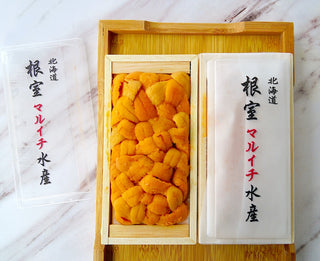
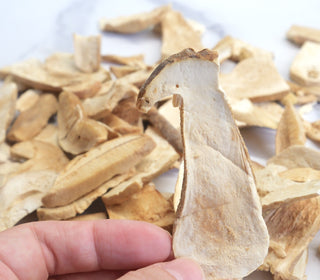
- Uni handling basics (keeping it cold, avoiding moisture, trimming excess shell or reserve for later use) and safe truffle storage techniques.
- Food safety principles for premium proteins and delicate seafood, including cross-contamination prevention and proper cold-chain management.
- The role of low-carbon cooking in premium menus, including how to think about energy use, waste minimization, and transparent sourcing. For context, premium beef markets in Singapore are expanding while consumers remain price-sensitive and value-driven, reinforcing the need to justify premium choices with sustainability and provenance. (mla.com.au)
Resources & Accounts
- Local suppliers and distributors offering Wagyu, Uni, and truffles with documented provenance. In Singapore, Hanwoo and Jeju imports have begun to appear in mainstream outlets and fine-dining supply chains as of late 2025, providing new options for home cooks who want traceable sources. (straitstimes.com)
- Retail channels for premium ingredients, such as Culina, Meat Co, and specialized purveyors, which have shown growing interest in high-end meat and seafood. (straitstimes.com)
- Market snapshots and consumer insights that help calibrate pricing, portioning, and flavor expectations for premium proteins in Singapore. The MLA Singapore Market Snapshot for January 2026 highlights consumer preferences, household incomes, and the premium positioning of Japanese beef, which informs how you price and present Wagyu and its partners. (mla.com.au)
Screenshots/visuals note: Include a sourcing map visual, a ingredients provenance table, and a plating storyboard to help readers apply the Prerequisites & Setup in their own kitchen. Visuals reinforce the data-driven approach and help readers anticipate carbon-friendly choices.
Step-by-Step Instructions
Step 1: Define Objective and Budget
What to do
- Create a concise objective for your dish: “deliver a Wagyu-Uni-Truffle experience with a measurable reduction in carbon footprint versus a baseline premium dish.”
- Set a budget that accounts for premium ingredients, while planning around carbon-reduction strategies (local sourcing, seasonal ingredients, smaller transport footprints).
- Establish a simple carbon-conscious target for the dish (for example, limit air-freighted components, favor domestic or regional suppliers, minimize waste).
- Sketch a rough timeline from sourcing to plating, including holding times for uni and Wagyu.
Why it matters
- Singapore’s premium beef and seafood landscape is shifting toward more transparent supply chains and regional offerings, with Hanwoo and Jeju pork entering the scene in 2025–2026. Aligning your objective with these market dynamics helps ensure feasible sourcing, pricing, and consumer reception. (straitstimes.com)
Expected outcome
- You have a clear goal, a defensible budget, and a plan that prioritizes lower-carbon sourcing without compromising the dish’s luxury profile.
Common pitfalls
- Underestimating transport or storage costs for the most premium ingredients, thereby inflating the carbon cost unintentionally.
- Failing to account for shelf-life constraints of uni and fresh truffles, leading to waste.
Visuals: A one-page objective worksheet and a sourcing-budget checklist.
Step 2: Source with Sustainability in Mind
What to do
- Identify Wagyu, Uni, and Truffle sources that emphasize provenance and reduced transport distances. Favor purveyors with transparent supply chains and documented sustainability practices.
- Consider Wagyu with strong marbling but from sources that minimize carbon-intensive practices; pair with uni from reputable suppliers and fresh truffles from trusted markets.
- Compare options for Wagyu (Japanese imports vs. domestically sourced premium beef). In Singapore, premium meats still command high consumer interest, with Japanese beef widely recognized as premium due to marbling and tenderness, while Hanwoo is emerging as a new premium option. (mla.com.au)
- If possible, select uni and truffle that arrive with minimal handling and packaging waste (e.g., single-serving portions, minimal plastic).
Why it matters
- The Singapore market reflects a balance between exotic luxury ingredients and sustainability concerns. A data-informed sourcing approach helps you deliver a high-end product while signaling environmental responsibility. The Straits Times’ coverage of Hanwoo entering the market and the MLA snapshot’s emphasis on premium beef and responsible sourcing illustrate the centrality of provenance and traceability in 2026. (straitstimes.com)
Expected outcome
- A verified supplier lineup with documented sustainability practices and reliable delivery windows for the Wagyu-Uni-Truffle combination.
Common pitfalls
- Relying on price alone rather than provenance or sustainability credentials.
- Overlooking storage requirements that can degrade uni and Wagyu during transit.
Screenshots/visuals: A supplier comparison table showing provenance, carbon notes, price ranges, and lead times.
Step 3: Design a Balanced Menu (Wagyu + Uni + Truffle)
What to do
- Draft the dish concept so Wagyu provides a savory backbone while uni adds oceanic sweetness and creaminess, with truffle finish heightening aroma and depth.
- Use a structure that preserves the Wagyu’s marbling while allowing the uni to shine as a secondary premium element. A common approach is to present Wagyu as the main protein with uni as an accent or garnish, then finish with a whisper of truffle.
- Include a small, carefully balanced vegetarian or seafood-forward course if you want to showcase sustainability without sacrificing the main experience, ensuring the overall menu remains cohesive and carbon-conscious.
Why it matters
- Uni-wagyu pairings are well-documented in Singapore’s premium dining scene (including wagyu wrapped with uni in omakase settings), illustrating consumer appetite for this combination and the potential to elevate home cooking with careful technique. A 2018 account of wagyu-uni combinations shows the pairing’s appeal in a fine-dining context. (sethlui.com)
- The Singapore market’s premium beef narrative includes Wagyu’s enduring appeal, while Hanwoo’s emergence adds nuance to the luxury beef conversation. This informs how you design the menu to maximize perceived value while managing carbon costs. (mla.com.au)
Expected outcome
- A clear, repeatable recipe concept that emphasizes low-carbon choices, balanced flavor, and a premium presentation.
Common pitfalls
- Designing overly complicated sequences that inflate energy use or waste without proportionate flavor gains.
- Overusing uni or truffle to the point where their sensory impact overwhelms the Wagyu.
Visuals: A one-page menu sketch showing plating flow (Wagyu base, Uni accent, Truffle finish) and a flavor balance chart.
Step 4: Prep Kitchen and Equipment for Precision
What to do
- Set up a dedicated work zone for delicate ingredients: Wagyu, Uni, and truffle require careful handling, short holding times, and precise temperature control.
- Pre-chill uni and Wagyu to optimal temperatures before cooking; have a plan for rapid cooling if needed between steps to preserve texture.
- Prepare a focused mise en place: a small sauce base (light soy or yuzu reduction), a clean plate layout, and a finishing oil or butter that complements the dish without overwhelming it.
- Create a simple energy plan to minimize electricity use during cooking (e.g., batch-searing steps, using a lid for temperature control when appropriate).
Why it matters
- Premium ingredients demand careful handling to preserve texture and flavor, while energy-conscious cooking aligns with Singapore’s 2026 sustainability discourse and the broader trend toward low-carbon premium cooking. Industry coverage highlights the premium beef market and sustainable cooking shifts in 2026. (straitstimes.com)
Expected outcome
- A clean, efficient workspace that supports precise searing, delicate uni handling, and graceful plating.
Common pitfalls
- Neglecting cross-contamination controls for shellfish-derived uni and beef.
- Overcrowding the pan, leading to uneven searing or moisture buildup.
Screenshots/visuals: A step-by-step equipment setup diagram and a mise en place checklist.
Step 5: Execute Precision Cooking (Sear Wagyu, Plate Uni, Finish with Truffle)
What to do
- Sear Wagyu with a careful eye on temperature and time to preserve marbling and achieve ideal crust without overcooking.
- Prepare uni as a delicate topping or accent, kept cold until plating to preserve texture and flavor.
- Finish with a light touch of truffle essence or shaved truffle to maximize aroma, avoiding overpowering the Wagyu and uni.
- Plate with a clean, elegant layout that highlights the Wagyu as the central element, with uni adding a creamy contrast and truffle providing aroma.
Why it matters
- Wagyu’s marbling requires precise searing to render fat without loss of texture, while uni and truffle contribute a premium aroma and creaminess that must be balanced to avoid overpowering the beef’s flavor profile. The high-end Singapore dining landscape confirms that Wagyu remains a premium choice, with uni and truffle frequently used to elevate dishes. (businesstimes.com.sg)
Expected outcome
- A flawlessly cooked Wagyu center with a pristine uni accent and a subtle truffle finish that signals luxury without excess.
Common pitfalls
- Overcooking Wagyu due to high heat or long pan time, which dulls marbling’s nuance.
- Overwhelming the palate with too much uni or truffle, masking the Wagyu’s character.
- Inconsistent plating that undermines the perceived premium value.
Visuals: A sequence of photos or sketches showing searing technique, uni placement, and final plating.
Step 6: Plate, Present, and Communicate Sustainability
What to do
- Plate with restraint: a clean, minimalist composition that emphasizes the Wagyu’s marbling and the uni’s creaminess.
- Add a finishing touch of shaved truffle in a controlled amount to ensure aroma is present but not overpowering.
- Label provenance and sustainability notes on the plate or in a small menu card or digital display, underscoring low-carbon choices and supply chain transparency.
- Consider packaging and disposal: use compostable or recyclable packaging for any leftovers or take-home components, and plan for responsible waste management.
Why it matters
- In Singapore, premium dining experiences increasingly emphasize provenance, sustainability, and an experience that justifies the premium price. Reassuring customers with visible sustainability storytelling helps bridge the gap between luxury and responsibility. The Straits Times coverage of Hanwoo’s arrival, and the MLA snapshot’s emphasis on consumer awareness of country-of-origin and freshness, illustrate the importance of provenance messaging. (straitstimes.com)
Expected outcome
- A premium dish that communicates its sustainability story clearly, supporting premium perception and rational buying decisions.
Common pitfalls
- Failing to provide credible provenance details; customers increasingly expect transparency.
- Underestimating the value of sustainable plating practices and packaging in the overall carbon footprint.
Screenshots/visuals: A plate-scene mockup with a callout on provenance and carbon-conscious elements.
Troubleshooting & Tips
Common Issues
- Uni not tasting fresh or becoming slimy: Ensure uni is kept cold (not frozen) and purchased from reputable sources that guarantee freshness. Avoid exposing uni to excess moisture or air.
- Wagyu appears dry or chewy: Maintain a short cooking window, use a high-heat sear for a crust, then rest briefly. Avoid over-reducing sauces that could mask the meat’s delicate flavors.
- Truffle overpowering the dish: Use truffle sparingly; a light shave or micro-amount of truffle oil can be enough to deliver aroma without dominating the Wagyu’s profile.
- Packaging waste concerns: Choose secondary packaging that minimizes plastic and opts for recyclable or compostable materials where possible.
Pro Tips
- Use a meat thermometer to target precise doneness on Wagyu (e.g., medium-rare center) while maintaining marbling integrity.
- Consider a light citrus or soy-based glaze that complements Wagyu without masking its natural flavors, then finish with truffle to heighten aroma.
- Run a small pilot test with minimal portions to calibrate flavor balance and carbon footprint per serving before scaling up for a dinner or event.
- Leverage local Singaporean market dynamics by referencing Hanwoo as an additional premium option when available, noting that it’s entering a market with a growing appetite for provenance and quality. (straitstimes.com)
Troubleshooting Quick Wins
- If the Wagyu surface looks dull after searing, give it a brief rest and re-sear for a minute to re-crisp the crust.
- If uni feels soft or watery, drain excess liquid gently and reintroduce to the dish at the final moment to preserve texture.
- If the aroma from the truffle is faint, shave at plating time rather than in advance to maximize volatile compounds.
Next Steps
Advanced Techniques
- Explore supply-chain transparency dashboards that track origin, transport, energy use, and packaging for Wagyu, uni, and truffle sources. This aligns with Singapore’s evolving sustainability framework and corporate interest in decarbonization efforts. Industry insights also point to premium dining as a driver of regional culinary innovation, where provenance storytelling becomes a differentiator. (straitstimes.com)
- Experiment with regional or local ingredients that reduce transportation miles while preserving luxury appeal, supported by market data showing Singapore’s appetite for premium beef and seafood with international provenance. The MLA market snapshot emphasizes consumer interest in high-value beef and the role of quality and origin in shaping willingness to pay. (mla.com.au)
- Practice carbon accounting for a dish: estimate emissions by ingredient, energy use, and waste, and set targets for reduction. World Resources Institute provides perspectives on realistic reduction paths for beef production and consumption, which can guide your approach to a low-emission Wagyu-Uni-Truffle plate. (wri.org)
Related Resources
- Market data and trends in Singapore’s beef and premium meat segments (MLA Market Snapshot, January 2026). (mla.com.au)
- Premium meat imports entering Singapore and the evolving Korean beef/pork landscape (The Straits Times, January 2026; The Business Times, February 2026). (straitstimes.com)
- Uni-wagyu pairings as a dining concept in Singapore (YOSHI omakase example). (sethlui.com)
Screenshots/visuals: A decision matrix for selecting ingredients with carbon-footprint considerations, and a final plating board showing the Wagyu-Uni-Truffle composition.
Closing
In this guide, you’ve learned how to build a data-driven, step-by-step approach to low-carbon premium cooking Singapore 2026 wagyu uni truffle. You started with a clear objective and sourcing plan anchored in current market realities, then designed a balanced menu that leverages Wagyu’s marbling, uni’s oceanic silkiness, and a restrained but aromatic truffle finish. You prepared a kitchen capable of precise execution, executed the dish with attention to texture, aroma, and sustainability, and you prepared for ongoing optimization through troubleshooting, advanced techniques, and future innovations. By combining proven culinary techniques with a rigorous, data-informed approach to sourcing and sustainability, you can deliver a compelling, luxury dining experience that respects the planet and resonates with discerning diners in Singapore.
As you move forward, consider expanding your practice with supplier scorecards, carbon-footprint tracking for each dish, and a transparent provenance narrative that customers can access—whether in-person or via digital menus. The 2026 landscape suggests that premium dining and sustainability are converging more than ever, and readers who embrace this intersection will lead with flavor, trust, and responsibility. If you’re ready to elevate your home kitchen into a precision-led, sustainable luxury experience, start with the steps outlined here and adapt as supply dynamics evolve in Singapore’s dynamic market.