



In the world of premium cuisine, hokkaido seafood stands as a benchmark for quality and provenance. For buyers, chefs, and market analysts, navigating the hokkaido seafood landscape requires more than appetite; it demands data, technology, and a clear plan. This guide offers a practical, step-by-step approach to understanding and leveraging hokkaido seafood market trends, with a focus on how technology is shaping sourcing, quality control, and strategic procurement. You’ll learn how to build a data-informed workflow that reduces risk, improves consistency, and aligns with current industry dynamics.
Readers can expect a practical, instructor-led approach that combines market context, actionable steps, and troubleshooting tips. We’ll ground every step in current data and credible sources, so you can apply these practices with confidence. Estimated time to complete this guide: roughly 60–90 minutes for the core setup, plus ongoing refinement as you monitor markets. Difficulty level: Moderate, with emphasis on translating insights into procurement and menu decisions. hokkaido seafood is not just a product—it's a market signal that links sustainability, trust, and taste to every plate. This guide leans on recent data indicating shifts in trade, consumption, and technology adoption within Japan’s seafood ecosystem. (apnews.com)
Prerequisites & Setup
Before you dive into the step-by-step process, assemble a lightweight, reliable setup that keeps hokkaido seafood data organized and actionable. The prerequisites are designed to minimize friction at the moment you need a decision, whether you’re planning a sourcing trip, negotiating with suppliers, or updating a menu.
Required Tools
- A data workspace: a simple spreadsheet or dashboard (Google Sheets, Excel, or a lightweight BI tool) to track supplier data, prices, and quality metrics for hokkaido seafood items like hotate (scallops) and uni (sea urchin).
- Reliable data sources: current trade data, per-capita consumption insights, and MSC/sustainability references to validate provenance and certifications. Credible sources may include national fisheries white papers, industry reports, and respected trade publications. (nippon.com)
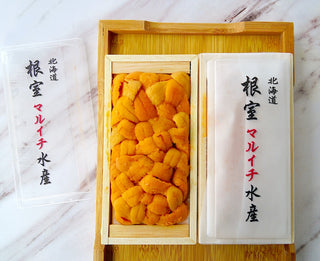
- Sourcing channels: a documented list of vetted suppliers or marketplaces (including the Miss A’s Handpick Fine Food catalog where relevant offerings like fresh uni and sashimi-grade scallops are featured). Using verifiable product pages helps align procurement with stated quality standards. For context, Miss A’s product ecosystem contains items such as sashimi-grade hotate and fresh Hokkaido uni in their curated seafood collections. (nippon.com)
Foundational Knowledge
- Understanding: Basic seafood categories (e.g., hotate scallops, bafun uni) and what “sashimi-grade” implies in terms of handling and freshness.
- Market context: Japan’s domestic production, imports, and consumption trends influence hokkaido seafood availability and pricing dynamics. For example, there are ongoing shifts in domestic production versus imports and changes in per-capita consumption trends that affect demand patterns. (nippon.com)
- Sustainability lens: Certifications like the MSC signal responsible management of fisheries and can impact buyer confidence and premium pricing. (msc.org)
Resources & Accounts
- Industry reports and white papers: identify a core set of sources you will consult monthly (e.g., Fisheries Agency data, credible market analyses, and trade journals).
- Supplier verification process: define a checklist to confirm origin, harvest method, traceability, storage conditions, and handling protocols for hokkaido seafood items.
- Procurement policy draft: outline quality thresholds, shelf-life expectations, and safe thawing/handling guidelines to maintain peak freshness in hotate and uni products.
Visuals: Consider adding a simple setup diagram showing your data workspace (sources, fields tracked, and decision outputs). A mockup dashboard helps stakeholders visualize how data informs menu planning and purchasing. See Figure 1 for a suggested layout (placeholder visual).
Indulge in Hotate Scallops Now
CTA after Prerequisites: Elevate hokkaido seafood menus with sashimi-grade hotate for premium offerings.
Shop Now →Data and market pointers
- The hokkaido scallop fishery has long featured sustainability certifications and is often positioned as a premium product in both domestic and international markets. The MSC’s involvement with Hokkaido’s scallop fishery underscores the emphasis on sustainable management. (msc.org)
- Japan’s seafood market dynamics include a balance of domestic production and imports, with trade flows influenced by geopolitical and regulatory factors, which readers should monitor when planning cross-border procurement. (nippon.com)
- Per-capita seafood consumption in Japan has shown fluctuations, impacting demand levels for premium hokkaido seafood and related products. Keeping an eye on these trends helps calibrate procurement volume and pricing strategies. (stg.alaskaseafood.org)
Step-by-Step Instructions
The core of this guide is a structured, practical workflow you can execute in sequence. Each step includes what to do, why it matters, what success looks like, and common pitfalls to avoid. Screenshots or visuals are recommended where helpful to illustrate dashboards, data flows, or sourcing checklists.
Step 1: Define your hokkaido seafood objective
- What to do: Write a clear objective for your hokkaido seafood program (e.g., “establish a data-informed weekly procurement plan for sashimi-grade hotate and bafun uni to support a premium menu with consistent quality and cost controls”).
- Why it matters: A precise objective aligns data collection, supplier evaluation, and menu decisions, reducing ad-hoc purchases and volatility in quality and price.
- Expected outcome: A one-page objective that can be shared with procurement, kitchen, and finance teams.
- Common pitfalls: Vague goals (e.g., “buy better hokkaido seafood”) without measurable targets or timeframes.
- Visuals: A simple goal sheet or one-page charter is helpful to anchor the team.
Citation notes: Market context suggests a growing emphasis on traceability and sustainability in premium seafood purchasing, reinforcing the need for a well-defined objective. (msc.org)
Step 2: Assemble credible data sources
- What to do: Identify and curate primary data sources for hokkaido seafood: price histories, seasonality, supply chain disruptions, and sustainability certifications.
- Why it matters: Data quality directly affects forecasting accuracy and risk management. Reliable sources help you distinguish temporary price spikes from structural shifts.
- Expected outcome: A validated dataset or data-diber sheet with fields for product type (hotate, bafun uni), origin (Hokkaido), harvest method, price, supplier, and date.
- Common pitfalls: Relying on a single source or mixing commercial marketing claims with objective data without verification.
- Visuals: Include a data dictionary or data-source map showing where each field comes from.
Citations: Trade data and consumption trends are influenced by broader market dynamics in Japan; verify claims against credible sources (e.g., Nippon.com, Fisheries Agency data). (nippon.com)
Step 3: Build a KPI framework for hokkaido seafood
- What to do: Define key performance indicators (KPIs) to monitor quality, cost, and supply reliability for hokkaido seafood items.
- Why it matters: A KPI framework translates data into actionable metrics (e.g., price volatility, yield consistency, time-to-delivery, and defect rates).
- Expected outcome: A dashboard-ready set of KPIs with target thresholds for each product category (scallops vs uni) and a reporting cadence.
- Common pitfalls: Overloading the dashboard with too many metrics or missing real-time data connections.
- Visuals: A mock KPI board showing price volatility, on-time delivery rate, and defect rate by product category.
Quotations: Industry observers emphasize data-driven approaches for seafood markets, particularly when premium products commingle with volatile commodities. "The future of seafood markets is data-driven, with sensors and analytics guiding supply chains," notes research on aquaculture AI adoption. (arxiv.org)
Step 4: Evaluate sustainability and provenance
- What to do: Confirm origin, harvest method, and sustainability status for hokkaido seafood items you plan to source (e.g., verify MSC certification for scallops; check uni sourcing notes if available).
- Why it matters: Sustainability signals influence consumer demand, price premiums, and risk management due to reputational factors.
- Expected outcome: A supplier profile for each product that includes origin, certification status, and any risk flags.
- Common pitfalls: Assuming certification equals quality without verifying handling and storage practices.
- Visuals: Include a provenance table with fields for origin, harvest method, certification, and last audit date.
Citations: MSC certification is a notable signal of sustainable management for Hokkaido scallops; verify status and audit dates in supplier records. (msc.org)
Step 5: Map the hokkaido seafood value chain
- What to do: Create a simple value-chain map that shows harvest, processing, distribution, wholesale, and retail channels for hokkaido seafood items you’re tracking.
- Why it matters: Understanding the chain helps you anticipate bottlenecks, plan inventory, and identify alternate suppliers if disruptions occur (e.g., export/import shifts affecting scallop supply).
- Expected outcome: A visual map and accompanying notes on vulnerabilities and lead times.
- Common pitfalls: Underestimating the impact of regulatory changes or export restrictions on lead times.
- Visuals: A flowchart showing origin (Hokkaido), processing, cold chain, and delivery to your facility.
Data points: Japan’s import/export dynamics and consumption patterns can impact lead times and pricing; staying current with policy shifts reduces procurement risk. (nippon.com)
Step 6: Develop a procurement playbook
- What to do: Translate your KPIs and supply-chain map into concrete procurement rules—thresholds for order quantities, supplier diversification, and contingency strategies.
- Why it matters: A playbook helps teams act quickly during price spikes or supply shocks while preserving quality.
- Expected outcome: A documented procurement policy you can share with chefs, buyers, and suppliers.
- Common pitfalls: Overcommitment to a single supplier or insufficient contingency planning for peak seasons or disruptions.
- Visuals: A decision tree for supplier selection during different market scenarios.
Quotes: Industry analysis shows growing emphasis on traceability and predictable supply in premium seafood markets, reinforcing the value of a written playbook. (nippon.com)
Step 7: Test and calibrate your model
- What to do: Run a pilot procurement cycle using the playbook; compare forecasted costs and delivery timelines against actuals; adjust thresholds as needed.
- Why it matters: Real-world testing validates assumptions and reveals blind spots before scaling the program.
- Expected outcome: A refined, data-driven procurement process for hokkaido seafood with documented lessons learned.
- Common pitfalls: Relying on pilot results that are too short or not representative of seasonal variation.
- Visuals: A before/after comparison chart showing cost and delivery improvements.
Visuals: Consider a simple test run with a 4–6 week window to compare forecast accuracy and supplier performance; document results for iterative improvement.
Troubleshooting & Tips
When working with hokkaido seafood markets, you’ll encounter common questions and operational friction. Use these sub-sections to diagnose issues quickly and keep your program on track.
Sourcing data isn’t aligning with reality
- What to do: Cross-check market data against multiple sources (e.g., government white papers, credible trade publications, and supplier disclosures). If discrepancies persist, flag as a data reliability risk and escalate to procurement for direct supplier verification.
- Why it matters: Data misalignment can lead to suboptimal decisions, especially in premium categories like hotate and bafun uni.
- Expected outcome: A trusted data trio (source triad) that reduces blind spots.
- Common pitfalls: Relying on marketing claims or outdated price histories.
Tip: Regularly refresh price curves and seasonality signals, since premium hokkaido seafood markets can exhibit seasonal shifts and export-driven price changes. See credible market context references for ongoing monitoring. (apnews.com)
Sustainability claims aren’t verifiable
- What to do: Request third-party certifications, verify certificate validity, and confirm harvest area and method with the supplier. If a claim isn’t verifiable, mark it as a risk and seek alternatives.
- Why it matters: Sustainability signals can affect consumer trust and premium pricing; verifying provenance reduces reputational risk.
- Expected outcome: Documented sustainability status for each product line in your supplier profiles.
- Common pitfalls: Trusting marketing language without independent checks.
Note: MSC-certified scallop fisheries in Hokkaido provide a credible benchmark for sustainable sourcing, and these certifications have historically influenced buyer confidence. (msc.org)
Quality fluctuations disrupt menus
- What to do: Build a quality-acceptance protocol for hokkaido seafood arrivals (e.g., sensory checks, moisture content, packaging integrity, thawing guidelines).
- Why it matters: Consistent quality is essential for premium experiences and to minimize waste in high-value dishes featuring hotate or uni.
- Expected outcome: A standardized quality checklist and standard operating procedure for thawing and handling.
- Common pitfalls: Inconsistent application of quality checks across batches or teams.
Visuals: A sample intake checklist with fields for product type, arrival date, condition, and any deviations.
Logistics and cold-chain complexity
- What to do: Confirm cold-chain requirements, delivery windows, and packaging standards with each supplier; establish buffer stock for high-demand periods.
- Why it matters: Premium hokkaido seafood requires careful temperature control to preserve texture and flavor; breakdowns can degrade product quality quickly.
- Expected outcome: A reliable logistics plan with clearly defined responsibilities, timelines, and contingency options.
- Common pitfalls: Assumptions about refrigeration capacity or last-mile handling without explicit agreements.
Tip: Use supplier performance data to assess on-time delivery and temperature deviations; these metrics inform future supplier selection and allocation.
Next Steps
To deepen your hokkaido seafood program and align with evolving market dynamics, pursue these next steps. The aim is to extend your data-driven approach beyond basic procurement toward strategic, technology-enabled decision-making.
Advanced data techniques
- What to do: Integrate advanced analytics to forecast price trends, seasonality, and demand scenarios using time-series models or machine-learning-assisted forecasting.
- Why it matters: Enhanced forecasting helps you anticipate price shifts and adjust procurement plans proactively, reducing risk and waste.
- Expected outcome: A forecasting module that supports scenario planning for hokkaido seafood across categories like hotate and uni.
- Common pitfalls: Overfitting models to small datasets or failing to incorporate external factors (exports, weather, regulation).
Quotations: Research on aquaculture AI highlights opportunities for environmental monitoring, disease diagnostics, and market analysis through data-driven methods. Incorporating these techniques can improve supply-chain resilience for premium seafood. (arxiv.org)
Sustainability-first procurement evolution
- What to do: Expand supplier evaluations to include lifecycle environmental and social governance (ESG) considerations; diversify supply with co-ops and MSC-certified sources.
- Why it matters: Consumers increasingly expect transparent sustainability practices, which can support premium pricing and risk management.
- Expected outcome: A more resilient supplier network with transparent provenance trails and stronger sustainability credentials.
- Common pitfalls: Token certifications without comprehensive supplier verification.
Menu and culinary optimization
- What to do: Use data-driven menus that leverage hokkaido seafood flavors and textures (e.g., sweet, briny hotate and rich uni) while balancing cost and availability.
- Why it matters: A well-informed menu strategy aligns with market dynamics, leading to better customer satisfaction and improved profitability.
- Expected outcome: A dynamic menu plan that adapts to seasonal supply, pricing, and consumer preferences.
- Visuals: Menu-with-analytics pairings showing suggested pairings and expected margins.
Related resources for ongoing learning
- What to do: Maintain a go-to library of credible sources, including fisheries white papers, MSC communications, and market reports. Create a quarterly briefing for stakeholders.
- Why it matters: Ongoing education supports informed decisions and keeps teams aligned with industry standards.
- Expected outcome: A living resource list and a quarterly market digest.
CTA after Step 4:
Hokkaido Uni Fresh
Elevate menus with fresh bafun uni from Hokkaido for premium, briny-sweet flavor.
Shop Now →CTA after Next Steps – Advanced Techniques:
Seafood Collection Picks
Curated items to build balanced hokkaido seafood menus with consistent quality.
Shop Now →CTA after Next Steps – Sustainability & Provisions:
Explore the Japan Collection
Discover curated Japanese seafood varieties that complement hokkaido offerings.
Shop Now →Closing
Throughout this guide, the focus has been on translating data and technology into practical actions for hokkaido seafood procurement and menu development. By defining clear objectives, assembling credible data, and implementing a disciplined KPI-driven procurement playbook, you can reduce risk, improve quality, and respond more nimbly to market shifts. The fusion of market insight with modern tech—sensor-enabled supply chains, data-backed forecasting, and sustainability certifications—creates a robust pathway for premium hokkaido seafood programs that meet both culinary standards and business goals.
As you implement the steps, remember that hokkaido seafood is not just a product but a signal of quality, provenance, and trust. Keep your data up-to-date, validate claims with reliable sources, and maintain a transparent dialogue with suppliers and kitchens. With disciplined execution and continuous learning, you can elevate your hokkaido seafood sourcing to consistently deliver exceptional dining experiences.