



Dairy products built on hokkaido cream are widely celebrated for their rich mouthfeel and consistent quality. In Japan and beyond, hokkaido cream serves as a benchmark for premium dairy inputs used in everything from soft serve to upscale confections. For professionals at Miss A's Handpick Fine Food and other discerning retailers, understanding how technology and market data illuminate the hokkaido cream landscape is essential to making smarter sourcing, pricing, and product development decisions. This guide offers a practical, step-by-step method to analyze the market, assess risk, and translate insights into concrete actions. It embraces a neutral, data-driven stance, focusing on how trends unfold, what drives consumer demand, and how to test ideas with minimal risk. When you finish, you’ll have a clear playbook to navigate premium dairy dynamics, using Hokkaido cream as a core input in your strategy.
In recent years, Japan’s dairy sector has seen a drift toward premiumization, organic and functional dairy, and the integration of technology to improve yield, quality control, and supply chain transparency. Industry data suggest a shift toward higher-value dairy products as consumer awareness grows and wallets expand, even amid broader macroeconomic pressures. These shifts create opportunities for brands that can demonstrate consistent quality, traceability, and value in premium hokkaido cream-based offerings. For readers focused on technology-enabled market insights, the combination of traditional dairy strengths and modern analytics offers a robust foundation for evidence-based decisions. This guide is designed to help you translate data into action, with practical steps you can implement today. (digiroadsresearch.com)
Prerequisites & Setup
Required Knowledge
- A basic understanding of market research concepts and data literacy. You don’t need to be a data scientist, but you should be comfortable reading charts, interpreting trends, and translating insights into business actions.
- Familiarity with dairy product categories, especially premium inputs like hokkaido cream, and how they influence taste, texture, and perceived quality in consumer goods. The significance of Hokkaido’s dairy heritage is well documented, including the region’s role in supplying a substantial portion of Japan’s milk. (japan.travel)
Tools & Access
- Data workspace: spreadsheet software (Excel or Google Sheets) and a lightweight BI tool (optional): Tableau, Power BI, or a free alternative for dashboards.
- Web research kit: access to current industry reports, company disclosures, and government data sources. The market is evolving, with premium dairy and organic segments increasingly in focus. (digiroadsresearch.com)
- Documentation templates: a simple data sheet to log sources, assumptions, and decision criteria, plus a one-page executive summary template for stakeholder communication.
Data Sources & Data Quality
- Primary sources for the Japan dairy market include industry analyses, regional production data, and corporate disclosures. Look for current-year market size, growth rates, and driver analysis (premiumization, health trends, sustainability). Premium dairy dynamics are a recurring theme in recent market analyses. (expertmarketresearch.com)
- Where possible, triangulate with official tourism or national statistics pages that reference Hokkaido’s dairy sector’s role in the national supply chain. This helps validate the premium positioning of hokkaido cream in consumer expectations. (japan.travel)
Visualization & Reporting Plan
-
Decide on a simple dashboard layout that tracks: (1) market demand signals for premium hokkaido cream-based products, (2) pricing/packaging tests, (3) supply-side indicators (availability, price volatility), and (4) consumer sentiment indicators from product reviews or social media mentions. Use visuals like trend lines, bar charts, and heatmaps to convey complex data quickly.
-
Screenshot placeholders: consider including a visual mockup of a dashboard in your guide (e.g., “Figure 1: hokkaido cream market dashboard”) to illustrate what a working model could look like. This helps readers see the end-state of the analysis process.
-
Note on data integrity: clearly mark any data gaps or assumptions in your working documents. The best practice is to separate data with strong provenance from interpretations, so readers can trust the process even when data is imperfect. This aligns with a neutral, data-driven stance. (digiroadsresearch.com)
Step-by-Step Instructions
Step 1: Define objective and success metrics
What to do
- Articulate a precise objective for your hokkaido cream project. For example: “Identify 2-3 premium hokkaido cream applications with the strongest willingness-to-pay signals among mid-to-high income households in urban Japan, within 90 days.”
- Establish success metrics (e.g., a target lift in premium SKU share, a minimum margin threshold, or a pilot test conversion rate).
Why it matters
- A clear objective anchors data collection, analysis, and decision-making. Without defined goals, you risk drift or misalignment between insights and action. In premium dairy markets, precise objectives help separate noise from meaningful signals, crucial when market data show premiumization trends but consumer tastes vary across subsegments. (digiroadsresearch.com)
What success looks like
- A published objective statement with 2–4 quantifiable success metrics.
- A plan showing how you’ll measure each metric during a pilot or test phase.
Common pitfalls to avoid
- Vague goals like “increase sales” without specifying time horizon, market segment, or product scope.
- Ignoring data quality constraints or assuming data from one region generalizes nationwide.
Screenshots/visuals hint
- Create a one-page objective and metrics sheet (Figure 1) to share with stakeholders.
Step 2: Gather reliable data on hokkaido cream demand
What to do
- Collect market-relevant data on premium dairy demand, focusing on hokkaido cream inputs and related products. Pull market size estimates, growth rates, and premiumization indicators from reputable sources.
- Build a data table listing data source, date, geographic scope, and key metrics (e.g., market size, CAGR, premium SKU share).
Why it matters
- Understanding demand signals helps you calibrate product development, pricing, and distribution plans. The Japan dairy market has shown ongoing premiumization and interest in organic or functional dairy segments, making this step crucial for data-driven strategy. (expertmarketresearch.com)
What success looks like
- A well-documented data catalog with at least 4–6 credible data points (e.g., market size, premium SKU growth, organic dairy momentum, consumer sentiment indicators).
Common pitfalls to avoid
- Relying on a single source or outdated data. Always triangulate where possible.
- Not noting data limitations (e.g., region-specific data that shouldn’t be generalized).
Visuals
- A simple data table and a preliminary trend chart showing premium dairy momentum over the last 3–5 years.
Step 3: Set up a lightweight data pipeline
What to do
- Establish a repeatable process to collect, clean, and update data sources. Use a shared spreadsheet or a lightweight data pipeline if you have the capacity (e.g., a small ETL flow or scheduled imports).
- Create a data hygiene checklist: date stamps, source URLs, and a note field for any data caveats.
Why it matters
- Reproducibility reduces errors and accelerates decision-making. In a fast-changing premium dairy context, a repeatable process helps ensure your insights remain current and defensible. (digiroadsresearch.com)
What success looks like
- An automated or semi-automated workflow that refreshes core metrics weekly or monthly with a visible data provenance trail.
Common pitfalls to avoid
- Skipping data cleaning or failing to document transformations.
- Over-engineering the pipeline for a guide-like project; keep it pragmatic and scalable.
Visuals
- Show a diagram of the data flow (Figure 2) from source to clean data to dashboards.
Step 4: Analyze trends and drivers for hokkaido cream
What to do
- Identify key drivers shaping premium hokkaido cream demand: premiumization, consumer preference for natural ingredients, distribution channels, and packaging formats. Look for evidence of organic or functional dairy growth and any regulatory or labeling considerations that influence consumer trust.
- Compare regional performance (urban vs. rural areas) and examine channel performance (retail, e-commerce, HoReCa).
Why it matters
- Trends illuminate where opportunities lie and where risk remains. Market analyses consistently show a tilt toward premium dairy, which affects how hokkaido cream-based products are positioned and priced. (expertmarketresearch.com)
What success looks like
- A trend synthesis report highlighting 2–4 actionable opportunities (e.g., premium ice cream formations, high-end pastries, or ready-to-cook sauces that rely on hokkaido cream) along with supporting data points.
Common pitfalls to avoid
- Treating all premium dairy drivers as equally strong across all segments. Subsegment differences matter.
Visuals
- A trend heatmap by channel and product category, plus a bar chart showing premium vs. standard dairy performance.
Step 5: Translate insights into a concrete action plan
What to do
- Map identified opportunities to specific product concepts, pricing strategies, and distribution plans. For hokkaido cream, consider formats such as concentrated cream, cream-based mixes, or premium yogurt blends where the cream’s texture matters.
- Draft a pilot plan with defined scopes, success metrics, and a timetable (e.g., a 6-week pilot with 2 SKUs, targeted in 2 metro markets).
Why it matters
- Data without行动 loses value quickly. A concrete plan translates insights into measurable steps that reduce risk and accelerate learning. Market dynamics in premium dairy support iterative, data-informed experimentation rather than large, expensive bets. (expertmarketresearch.com)
What success looks like
- A pilot brief with 2–3 SKU concepts, pricing bands, distribution targets, and a short measurement plan (conversion rates, margin, customer feedback).
Common pitfalls to avoid
- Overcommitting to a single concept without a parallel test for alternatives.
- Failing to schedule post-pilot learnings or to iterate on the next set of steps.
Visuals
- A decision matrix linking opportunities to actions and required resources (Figure 3).
Step 6: Validate concepts with small pilots
What to do
- Run controlled pilots in select channels (e.g., test store or e-commerce bundles) to validate demand signals for hokkaido cream-based products.
- Collect learnings from customer feedback, sales performance, and cost metrics. Use simple A/B testing where feasible (e.g., packaging or messaging variations).
Why it matters
- Pilots help you confirm that data-driven ideas translate into real-world results and reveal any unanticipated barriers (supply constraints, label requirements, or consumer perceptions).
What success looks like
- Pilot results with clear success/failure criteria, plus a revised go/no-go decision for broader rollout.
Common pitfalls to avoid
- Treating pilot results as definitive without considering scale effects or supply chain feasibility.
Visuals
- A pilot scorecard and a dashboard view of key metrics (Figure 4).
Step 7: Document results and prepare for scale
What to do
- Compile a succinct executive summary that includes the data-driven rationale, pilot outcomes, and recommended next steps.
- Prepare collateral for stakeholders to enable a broader rollout, including pricing scenarios, packaging options, and supply chain readiness checks.
Why it matters
- Clear documentation accelerates alignment and reduces the time to scale, enabling teams to act on evidence rather than gut feelings.
What success looks like
- A stakeholder-ready report with a 90-day scaling plan and at least two validated concepts.
Common pitfalls to avoid
- Delaying documentation until after the final decision; timely reporting accelerates buy-in.
Screenshots/visuals hint
- Include a one-page “Key Findings & Next Steps” slide in your package.
Troubleshooting & Tips
Data gaps and quality concerns
What to do
- When data is incomplete, flag gaps clearly and pursue triangulation from alternative sources or expert interviews. Document assumptions and consider sensitivity analyses to understand how data uncertainty affects decisions.
Why it matters
- Premium dairy markets can be complex, with regional variations and supply-chain nuances that data alone may not capture. A transparent handling of uncertainty preserves credibility and informs risk management. (digiroadsresearch.com)
Tips
- Use conservative estimates when data is sparse and test multiple scenarios to understand potential outcomes.
Aligning product concepts with consumer taste
What to do
- Pair data insights with sensory tests or small consumer panels to validate hokkaido cream-based ideas. Align concept development with the quality expectations associated with hokkaido cream.
Why it matters
- Sensory validation reduces the risk of market rejection and helps ensure that premium positioning resonates with target consumers.
Tips
- Run quick in-store tastings or online taste-tests with structured feedback templates.
Pricing, margins, and supply volatility
What to do
- Monitor input costs for hokkaido cream and adjust pricing or packaging formats to preserve margins. Build contingency plans for supply disruptions and price spikes.
Why it matters
- The premium dairy segment can be sensitive to input cost changes; proactive pricing and packaging decisions sustain profitability. Market analyses frequently emphasize the premiumization trend alongside cost considerations. (expertmarketresearch.com)
Tips
- Consider tiered packaging or value-added formats to maintain perceived value while managing cost pressures.
Regulatory, labeling, and sustainability considerations
What to do
- Ensure labeling and certifications align with consumer expectations for premium dairy. Track any regulatory changes that might affect how hokkaido cream-based products are marketed.
Why it matters
- Regulatory clarity supports trust and reduces risk in premium market segments, while sustainability narratives can strengthen consumer appeal for hokkaido cream-derived products. (globenewswire.com)
Tips
- Engage with regulatory and industry bodies early in the concept development phase to anticipate labeling and compliance needs.
Next Steps
Advanced data techniques
What to do
- Consider incorporating more sophisticated methods such as cohort analysis, price-elasticity modeling, and demand forecasting to deepen insights into hokkaido cream-based products.
- Experiment with scenario planning to anticipate different macro conditions or consumer behavior shifts.
Why it matters
- Advanced analytics can reveal deeper patterns and more robust risk-adjusted recommendations, helping you stay ahead in a dynamic premium dairy market. Industry trends point toward continued premiumization and health-focused dairy innovations. (expertmarketresearch.com)
Related resources and further reading
What to do
- Explore industry reports, consumer research, and regional dairy dynamics to expand your perspective. Cross-reference with tourism and cultural context to strengthen the storytelling around hokkaido cream’s heritage and market positioning. For example, official travel resources highlight the cultural and economic role of Hokkaido’s dairy industry. (japan.travel)
Practical implementation ideas
What to do
- Translate insights into concrete product development tasks, supplier negotiations, and marketing experiments. Create a quarterly cadence for refreshing data, reassessing assumptions, and adjusting plans.
Why it matters
- The best strategies combine rigorous data, practical execution, and ongoing learning. A disciplined approach to premium dairy insights helps ensure resilience and growth.
Closing
By combining a data-driven lens with practical, step-by-step guidance, you can confidently navigate hokkaido cream’s role in premium dairy markets. This guide equips you with a repeatable process to gather relevant data, translate findings into actionable plans, and test ideas with disciplined pilots. The result is a more informed, balanced approach to sourcing, pricing, and product development that respects the heritage of hokkaido cream while embracing the technologies that make modern market analysis possible.
As you begin applying these steps, remember that our focus is on transparent data, careful interpretation, and measured execution. While market indicators suggest continued premiumization and interest in high-quality dairy inputs, every decision benefits from a structured validation process and a readiness to adapt to new information.
Hokkaido Fresh Milk 1L
Elevate your dairy testing and recipes with premium hokkaido cream input. [Shop Now →](https://missa.sg/products/hokkaido-yotsuba-fresh-milk-%E5%8C%97%E6%B5%B7%E9%81%93%E4%BA%A7%E6%96%B0%E9%2 2%C2%A9E3-1l) Hokkaido Milk Pack Convenient for pilot programs and batch testing in product development.
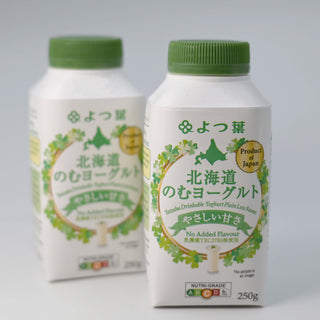
Shop Now →Hokkaido Yogurt
A versatile base for premium snacks and probiotic beverages with hokkaido cream.
Shop Now →