




The hokkaido scallop is more than a premium ingredient; it’s a lens on how seafood markets leverage data, traceability, and sustainable practices to meet high-end demand. For professionals at Miss A’s Handpick Fine Food and readers seeking practical insight, understanding the technology and market forces shaping hokkaido scallop procurement can unlock better sourcing decisions, smarter risk management, and improved quality control. This guide adopts a data-driven perspective, outlining a practical, step-by-step approach to evaluating suppliers, tracking market trends, and implementing tech-enabled workflows that align with neutral, evidence-based analysis. You’ll learn how to interpret market signals, assess sustainability credentials, and deploy a repeatable process for purchasing hokkaido scallop with confidence. Expect a realistic time commitment, a clear set of prerequisites, and concrete steps you can apply to real-world sourcing scenarios.
In recent years, the hokkaido scallop market has faced volatility driven by supply dynamics, export market shifts, and evolving consumer expectations for traceability and sustainability. Industry sources describe how changes in the broader seafood trade—such as export bans, market reopenings, and the push toward certified fisheries—can ripple through pricing, availability, and the viability of long-term contracts. Against this backdrop, technology platforms that support data gathering, supplier verification, and supply-chain transparency become critical for buyers who need reliability and scale. This guide maintains a neutral, data-driven stance, presenting balanced perspectives and practical actions you can take today. For context, recent reporting highlights how regulatory and geopolitical developments have influenced hokkaido scallop trade routes and market access, including periods of policy restrictions and subsequent market re-openings. These dynamics underscore why a rigorous, tech-enabled sourcing approach matters for buyers in premium seafood categories. (apnews.com)
Prerequisites & Setup
Core knowledge and objectives
Before you begin, clarify your goals for hokkaido scallop procurement. Are you prioritizing premium sashimi-grade quality, consistent supply for a seasonal menu, or scalable orders for retail channels? Establish objective criteria for taste, texture, size range, and certification standards (for example, sustainability certifications or traceability records). A data-driven approach starts with a clearly defined scorecard that translates sensory expectations into measurable attributes (e.g., grade, catch area, harvest date, handling practices). This foundation helps you compare suppliers on equal footing and reduces subjective decision-making. Industry observers emphasize aligning procurement goals with broader market signals, such as sustainability certifications and verified origin data, which can influence demand in luxury seafood segments. (boj.japantimes.co.jp)
Tools, accounts, and data sources
Set up the tools you’ll use throughout this guide. At minimum, you’ll want:
- A procurement tracking system or spreadsheet with fields for supplier, batch/lot, harvest date, grading, size, price, lead times, and certification flags.
- Access to market data feeds or reports on scallop ships-to-market, price trends, and export activity (industry publications or reputable market intelligence providers).
- A digital document repository for certificates, HACCP/ISO or MSC certifications, and other sustainability disclosures.
- A basic supply-chain traceability framework or platform (e.g., a blockchain-enabled or database-based system) to record origin, handling steps, and transport milestones.
- A communication channel that supports efficient supplier inquiries, confirmations, and RFQ/RFP workflows. Recent industry discussions stress the importance of verifiable sustainability credentials in hokkaido scallop supply, as buyers increasingly demand responsible sourcing and transparent supply chains. This trend dovetails with broader moves toward traceability technologies in global seafood markets. (japanfs.org)
Risk and compliance considerations
Identify regulatory and market access considerations that could affect hokkaido scallop sourcing. Geopolitical and health-related events have, at times, disrupted trade in Japanese seafood, including scallops, with shifts in export markets and temporary bans or restrictions affecting where products can be sold. Build contingency plans that account for potential market access changes, pricing volatility, and transport disruptions. Industry coverage notes how policy developments have historically influenced supply chains and pricing dynamics in the hokkaido scallop segment. (apnews.com)
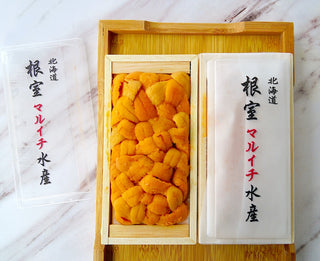
Fresh Hokkaido Uni 100g
CTA Elevate recipes with authentic uni from Hokkaido’s coastal waters.
Shop Now →Section 1: Prerequisites & Setup
Establish procurement goals and success metrics
Define the success criteria for hokkaido scallop sourcing. This includes target price ranges, lead times, minimum size grades, and preferred certifications (e.g., MSC or equivalent). A clear set of metrics helps you quickly evaluate supplier quotes and avoid drift between expectation and delivery. It also supports a data-driven governance framework that enables consistent, repeatable decisions. In practice, buyers who align sensory expectations with quantifiable attributes—such as average weight per scallop, ribbed shell integrity, and post-harvest handling—tend to achieve more reliable quality over multiple purchase cycles. (boj.japantimes.co.jp)
Build your data foundation
Create a centralized data structure for hokkaido scallop sourcing. At minimum, include:
- Supplier name, contact, and region
- Lot or batch identifiers, harvest date, and grade
- Product attributes (size range, weight, appearance)
- Certifications and audit results
- Price, currency, and unit
- Lead times, minimum order quantities, and packaging
- Transit details (cold chain, temperature history)
- Documentation (certificate numbers, origin papers) This foundation makes it possible to generate trend analyses, supplier performance dashboards, and risk scenarios. Industry commentary underscores that robust data collection and traceability are core enablers of reliable premium seafood procurement. (en.wikipedia.org)
Set up supplier evaluation framework
Develop a standardized supplier evaluation checklist. Include sections for:
- Sustainability certifications (MSC, etc.)
- Traceability capability (origin, harvest date, handling steps)
- Quality controls (grading, defect rates, post-harvest handling)
- Compliance with import rules and market access requirements
- Reliability (on-time delivery, order accuracy)
- Financial terms and flexibility This framework supports objective comparisons across suppliers, reducing bias and enabling data-backed procurement decisions. Reports in the sector emphasize how assessments of sustainability credentials influence buyer confidence and long-term relationships with reputable suppliers. (japanfs.org)
Prepare for tech-enabled workflows
If you haven’t already, select a lightweight procurement or ERP integration that can handle RFQs, supplier records, and traceability data. For many shops, starting with a spreadsheet-backed workflow supplemented by a cloud-based document store is sufficient, then migrating to a dedicated procurement platform as volumes grow. Experts note that technology adoption accelerates value when paired with clear processes and governance. Plan a phased rollout that prioritizes data integrity and user training. (en.wikipedia.org)
Hokkaido Scallop Insights Kit
CTA Access curated market analyses and supplier verification templates.
Shop Now →Global Seafood Portfolio
CTA A diverse mix of high-quality seafood for chefs and retailers.
Shop Now →Section 2: Step-by-Step Instructions
Step 1: Define sourcing targets and constraints
What to do: Write down your hokkaido scallop sourcing targets, including quality bands, size ranges, certifications, and delivery windows. Why it matters: Clear targets prevent scope creep and align internal stakeholders. Expectation clarity reduces back-and-forth with suppliers and speeds up RFQ cycles. What success looks like: A documented target profile for hokkaido scallop that can be shared with at least three qualified suppliers. Common pitfall: vague quality criteria that invite inconsistent bids. See industry discussions on how market conditions drove changes in scallop supply and pricing dynamics in recent years. (asahi.com)
Step 2: Gather baseline market signals
What to do: Collect price ranges, lead times, and availability data from reliable market sources and suppliers. Record changes across multiple weeks to identify trends rather than single-price spikes. Why it matters: Market signals inform negotiation levers, risk hedges, and booking strategies. Industry monitoring shows that hokkaido scallop prices and export patterns have shifted with market access changes and policy developments, making timely data essential. (tridge.com) Expected outcome: A short market snapshot covering minimum three suppliers, with price bands, terms, and delivery windows. Common pitfalls: Relying on a single data point or ignoring currency risk and seasonal effects.
Step 3: Validate origin, sustainability, and quality controls
What to do: Request documentation for each batch, including harvest date, catch area, grade, and any certifications (e.g., MSC). If possible, review third-party audit results and travel documentation for the batch. Why it matters: In the hokkaido scallop market, trust hinges on verifiable origin and responsible practices. Industry reporting highlights ongoing emphasis on sustainable practices and certification as differentiators in premium seafood markets. (japanfs.org) Expected outcome: Verified batch-level documentation for all bids with at least one traceability datapoint per batch. Common pitfalls: Accepting incomplete certificates or failing to verify authenticity of certifications.
Step 4: Build a live supplier scorecard and pilot terms
What to do: Create a dynamic scorecard for each supplier based on the prerequisites, including sustainability, traceability, price, lead time, and reliability. Why it matters: A live scorecard lets you compare suppliers on a rotating basis and adjust terms in real time as market conditions evolve. Expected outcome: A scored shortlist and proposed pilot order terms (minimum order quantity, frequency, and pricing mechanism). Common pitfalls: Overweighting price at the expense of sustainability or reliability.
Step 5: Establish a digital procurement workflow
What to do: Implement the chosen procurement tool or a robust spreadsheet-based workflow with RFQ templates, approval routing, and milestone tracking. Attach all documents to the supplier profile and batch records. Why it matters: Digital workflows reduce miscommunication, speed up approvals, and improve traceability. Market observers note that technology adoption, when combined with governance, yields measurable gains in procurement efficiency and quality control for premium seafood. (en.wikipedia.org) Expected outcome: A functioning RFQ cycle with at least two vendor responses, a documented evaluation, and an approved order plan. Common pitfalls: Manual errors, misfiled documents, or missing approvals.
Step 6: Negotiate terms and place a controlled pilot
What to do: Negotiate price, payment terms, and delivery cadence for a controlled pilot (e.g., a 1–2 shipment trial). Use the pilot to validate quality, packaging, and cold-chain performance. Why it matters: Pilots reveal hidden cost drivers, packaging failures, and lead-time variability before committing to long-term contracts. Industry coverage shows how suppliers and buyers adapted during market disruptions and how pilots can mitigate risk in hokkaido scallop procurement. (asahi.com) Expected outcome: A written pilot agreement, documented performance criteria, and a plan for scaling if targets are met. Common pitfalls: Inadequate pilot scope or failure to specify acceptance criteria.
Step 7: Monitor performance and adjust
What to do: Track KPIs (quality acceptance rate, on-time delivery, documentation completeness, and price variance). Schedule periodic reviews with suppliers and update your scorecards. Why it matters: Continuous monitoring detects drift early and supports continuous improvement in the relationship and the product’s consistency. Expected outcome: A quarterly performance report with trend lines and action plans for any deviations. Common pitfalls: Infrequent reviews or missing data that prevents timely recalibration.
Step 8: Document learnings and scale
What to do: Document what worked well and what didn’t during the pilot. Use insights to refine RFP templates, screening criteria, and contract terms. Prepare for scale by planning inventory buffers, alternate suppliers, and expanded certifications if needed. Why it matters: Scaling premium hokkaido scallop procurement requires repeatable, well-documented processes. Industry watchers emphasize how documented learnings from early pilots inform better supplier selection and risk mitigation as demand grows. (boj.japantimes.co.jp) Expected outcome: A scalable playbook for hokkaido scallop sourcing with clearly defined expansion steps. Common pitfalls: Overcomplicating documentation or underpreparing for increased volume.
Fresh Hokkaido Uni 100g
CTA Elevate recipes with authentic uni from Hokkaido’s coastal waters.
Shop Now →Section 3: Troubleshooting & Tips
Common data gaps and how to close them
What to do: Audit your data fields and request missing information from suppliers promptly. If you notice gaps in harvest dates, grading, or certifications, ask for updated documents or third-party audits. Why it matters: Incomplete data undermines risk assessments and can lead to mismatches between expectations and product reality. Industry analyses note that robust traceability and third-party verification are central to confidence in hokkaido scallop sourcing, particularly in premium segments. (japanfs.org) Tips: Use standardized document templates, set reminders for updated certifications, and require batch-level traceability.
Handling supply chain disruptions and market shocks
What to do: Build a contingency plan that includes alternative suppliers, buffer inventory strategies, and flexible payment terms during periods of price volatility or market access changes. Why it matters: Market dynamics, including export restrictions or shifts in demand, can impact availability and pricing. Analysts highlight that hokkaido scallop markets have seen volatility linked to international trade policies and demand in major markets. (apnews.com) Tips: Maintain a short list of vetted backups, and pre-negotiate provisional terms with secondary suppliers to activate if needed.
Quality assurance and sensory verification
What to do: Implement a simple sensory verification protocol for each shipment, complemented by batch certificates. For the kitchen team, define a quick acceptance test (appearance, aroma, firmness) and document outcomes. Why it matters: Premium hokkaido scallop quality depends on fresh, clean flavors and proper handling. Industry discussions emphasize sustainable practices and careful processing to maintain product integrity in high-end markets. (boj.japantimes.co.jp) Tips: Schedule periodic tastings with a cross-functional team and keep feedback loops short to tighten procurement cycles.
Leveraging technology for traceability
What to do: If your operation hasn’t yet, pilot a traceability solution that captures origin, harvest date, handling steps, and storage conditions. Link this data to purchase orders and QC checks. Why it matters: Tech-enabled traceability supports compliance and consumer transparency, aligning with broader industry moves toward responsible seafood supply chains. Open-science and industry reports highlight the role of digital tools in ensuring product integrity and sustainability. (en.wikipedia.org) Tips: Start small with batch-level data and expand as you validate ROI and team readiness.
Section 4: Next Steps
Advanced data sources and analytics
What to do: Explore advanced market intelligence sources, including weekly or monthly market reports, supplier scorecards, and price indices for premium scallops. Consider integrating geopolitical risk data to anticipate trade-policy shifts that affect hokkaido scallop exports. Why it matters: As markets evolve, deeper analytics enable proactive sourcing decisions, better price forecasting, and stronger supplier relationships. Industry coverage underscores how data-driven approaches are essential to navigating sustainability mandates and market access dynamics. (boj.japantimes.co.jp)
Expanding certifications and sustainability programs
What to do: Evaluate additional certifications or certifications updates that could differentiate your hokkaido scallop program, such as updated MSC standards or regional sustainability programs. Engage suppliers in continuous improvement plans to drive better environmental performance and social responsibility. Why it matters: Certifications are increasingly influential in premium seafood procurement, shaping buyer confidence and long-term supplier viability. (japanfs.org)
Scaling procurement while maintaining quality
What to do: Design a growth plan that maintains quality controls and traceability as volumes increase. Plan for scalable packaging, cold-chain integrity, and supplier diversification to mitigate risk. Why it matters: The industry recognizes that scaling premium seafood procurement requires disciplined processes and robust infrastructure to maintain sensory quality and safety across larger orders. (boj.japantimes.co.jp)
Closing
Sourcing hokkaaido scallop with a data-driven, tech-enabled approach helps you balance luxury quality with reliability and sustainability. By starting with clear goals, building a solid data foundation, and implementing a disciplined procurement workflow, you position your program to weather market shocks, capitalize on favorable price windows, and deliver consistent, premium products to your customers. As you implement the steps outlined above, you’ll discover where to invest in data, what certifications matter most for your market, and how technology can shorten cycles from RFQ to delivery. The goal is not just to buy seafood but to buy with confidence—transparency, quality, and resilience baked into every lot.
This guide has presented a practical, step-by-step path to mastering hokkaido scallop procurement in a data-driven way. It’s designed for hands-on execution, with concrete steps, pitfalls to avoid, and opportunities to adapt to your organization’s unique needs. For readers seeking premium product options and curated assortments aligned with this approach, the links to Hotate Scallops, Hokkaido Uni, and Seafood Collection offer concrete examples of how Miss A’s Handpick Fine Food curates high-quality seafood experiences. The evolving market context—whether shifts in international trade or advances in traceability technology—remains a critical backdrop for all procurement decisions, and this guide will continue to adapt as new data and capabilities emerge. (apnews.com)
If you’re ready to put these practices into action, start by defining your hokkaido scallop sourcing targets and assembling your initial supplier shortlist. Use the pilot framework to validate your assumptions, and document results to build a repeatable playbook for the future.