



Singapore’s dairy aisle is evolving, and hokkaido milk singapore has become a focal point for consumers seeking quality and provenance. In recent years, premium Japanese dairy brands from Hokkaido have gained traction among shoppers who value freshness, source transparency, and consistent product quality. This shift matters for retailers, chefs, and home cooks alike, because it shapes pricing, assortment, and supplier expectations in a competitive market. As part of a data-driven approach to studying this niche, we’ll examine how hokkaido milk singapore products perform in real-world outlets, what drives demand, and how to build a practical decision framework for sourcing and experimentation. For readers aiming to understand not just what exists but how to act on it, this guide provides a step-by-step method, grounded in current SG-market realities and verified product details. (hokkaido-asean.org)
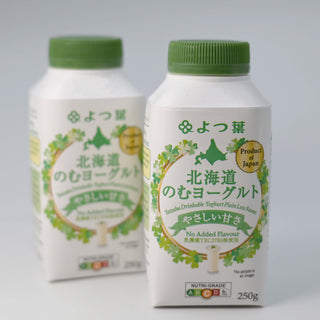
At the core of this guide is the Hokkaido Yotsuba line, including the Hokkaido Yotsuba Fresh Milk 1L, which is actively sold in Singapore through Miss A’s Handpick Fine Food and other retailers. Miss A’s product page explicitly describes Hokkaido Yotsuba Fresh Milk as sourced from Hokkaido and available for islandwide delivery in Singapore, making it a practical case study for price, packaging, and distribution dynamics in hokkaido milk singapore. This availability—plus Singapore retailers’ ongoing marketing around Yotsuba and other Hokkaido dairy—provides a solid data set for a structured, hands-on analysis. (missa.sg)
To set expectations: this guide emphasizes data-driven analysis and practical steps you can take today to understand hokkaido milk singapore from multiple angles—retail availability, pricing, packaging formats, and delivery logistics. By combining product-level details from Miss A’s and SG retailers with market-context from the Hokkaido government’s regional insights, readers will learn how to assemble a credible, replicable view of this niche within the broader Singapore dairy category. The goal is to empower you to make informed decisions—whether you’re a retailer optimizing your assortment, a café operator planning menu pairings, or a consumer evaluating value and quality. The SG market for premium dairy, including Hokkaido products, continues to expand as consumer tastes shift toward provenance and quality, with local retailers expanding shelves to accommodate demand. (hokkaido-asean.org)
Prerequisites & Setup
Before diving into the step-by-step process, assemble the basics you’ll need to evaluate hokkaido milk singapore products with confidence. This section outlines the minimum setup, data sources, and knowledge you’ll rely on as you work through the guide.
Purpose and scope alignment
- What you’ll do: Define your objective for evaluating hokkaido milk singapore—are you benchmarking price, testing product quality for a café menu, or building a supplier shortlist for a boutique store?
- Why it matters: A clear objective guides data collection, prevents scope creep, and ensures your conclusions are actionable in a real-world setting.
- Expected outcome: A one-page objective brief and a list of data points you will collect (price, package size, shelf life, delivery options, place of purchase, and any promotions).
- Common pitfalls: Starting with a preconceived conclusion or collecting data without a defined question.
Core data sources and verification
- What you’ll do: Identify primary sources for hokkaido milk singapore data (Miss A’s product pages, SG retailers, and any government market notes on dairy imports and demand).
- Why it matters: Relying on official product pages and reputable retailers reduces misinterpretation and ensures reproducibility.
- Expected outcome: A verified data sheet linking product variants to prices, packaging, and delivery terms.
- Common pitfalls: Obsolete listings, inconsistent product naming, or relying on third-party reviews without source checks.
- Key sources to anchor your data: Miss A’s Hokkaido Yotsuba Fresh Milk 1L page for product specifics and islandwide delivery; SG retailer listings (e.g., FairPrice) showing Yotsuba milk availability and delivery details; and Hokkaido government market notes illustrating broader consumer interest in Hokkaido dairy in SG. (missa.sg)
Tools and access
- What you’ll do: Set up access to the primary retailers’ pages, price trackers, and any procurement templates you’ll use to organize data.
- Why it matters: Efficient data collection reduces time-to-insight and supports consistent updates as markets move.
- Expected outcome: A working folder with saved page links, a price-tracking template, and a basic data dictionary (units, currency, date format).
- Common pitfalls: Failing to timestamp price data or mixing currencies without a consistent conversion method.
Time and effort expectations
- What you’ll do: Estimate a realistic time budget for a 2–3 week data-gathering and analysis cycle, including a small test buy if applicable.
- Why it matters: Realistic planning keeps the project manageable and ensures you can act on insights without endless data collection.
- Expected outcome: A committed schedule with milestone dates and a clearly defined “go/no-go” point for procurement experiments.
- Common pitfalls: Overestimating data depth for a single retailer or underestimating time needed to test delivery and shelf-life assumptions.
Note: As you proceed, you’ll want to gather both product-level data (pack sizes, prices, and packaging) and market-level context (how hokkaido milk singapore products are positioned, who the main channels are, and what consumers expect). The government and retailer perspectives help ground your analysis in realities beyond a single storefront. For reference, Singapore has seen growing interest in high-quality dairy from Hokkaido, with local media and government sources highlighting the appeal of premium dairy products in SG markets. (hokkaido-asean.org)
Discover Hokkaido Fresh Milk 1L
A premium, direct-from-Hokkaido option that fits a data-driven dietary analysis in Singapore.
Shop Now →Section 1: Prerequisites & Setup (cont.)
This section builds the practical foundation you’ll use across all steps. It confirms the essential data points and tools, and it links product reality in hokkaido milk singapore to your planning and decision-making.
Product basics and market context
- What you’ll do: Learn the core product formats available in hokkaido milk singapore (for example, fresh milk in 1L cartons and multi-pack formats) and understand how they’re marketed locally.
- Why it matters: Packaging size, shelf-life, and delivery constraints influence both consumer behavior and business decisions.
- Expected outcome: A mental model of typical hokkaido milk formats in SG, ready to compare across retailers.
- Common pitfalls: Confusing UHT and pasteurized formats; overlooking packaging differences that affect storage and usage.
Retail landscape snapshot
- What you’ll do: Map typical distribution channels in SG for hokkaido milk singapore—Miss A’s Handpick Fine Food, supermarkets, and online marketplaces.
- Why it matters: Distribution realities determine availability, pricing tiers, and time-to-purchase for consumers and businesses.
- Expected outcome: A channel map showing primary sellers, delivery options, and estimated lead times.
- Common pitfalls: Assuming all channels offer the same price or same delivery reach.
Verified product references
- What you’ll do: Collect official product references for the primary hokkaido milk singapore items you’ll study, including Hokkaido Yotsuba Fresh Milk 1L and Hokkaido Milk Pack.
- Why it matters: Having the exact product identifiers prevents mix-ups when comparing prices and package formats across stores.
- Expected outcome: A catalog-like reference sheet linking product name, SKU (where available), and primary retailer listings.
- Common pitfalls: Relying on outdated promo pages or misnaming variants.
Citations anchor these points to real-world sources confirming product availability and distribution in Singapore. For example, Miss A’s page confirms Yotsuba Fresh Milk 1L is offered with islandwide delivery in SG, along with product origin and quality positioning. FairPrice and other SG retailers also publish Yotsuba milk listings, illustrating a multi-channel presence. (missa.sg)
Section 2: Step-by-Step Instructions
The core tutorial unfolds in seven sequential steps. Each step includes concrete actions, the rationale behind them, expected outcomes, and common pitfalls to watch for. Screenshots or visuals of product pages, price tables, and delivery options are highly recommended where helpful.
Step 1: Define your hokkaido milk singapore objective
- What to do: Write a one-page objective that states what you want to learn or prove about hokkaido milk singapore (for example, “Assess which packaging format offers the best value for a 20-seat cafe pilot over 4 weeks” or “Identify consumer price sensitivity for 1L vs 200ml pack formats”).
- Why it matters: A clear objective guides data collection, prevents scope drift, and anchors your analysis in practical outcomes.
- Expected outcome: A documented objective with a checklist of data points you will collect (price, packaging, shelf life, delivery terms, retailer).
- Common pitfalls: Starting with a hobbyist mindset and collecting data without a defined decision context; failing to set a pilot test metric.
Step 2: Gather baseline data from Miss A’s and SG retailers
- What to do: Compile current listings for Hokkaido milk products from Miss A’s Handpick Fine Food site and at least two SG retailers (for example, FairPrice or Cold Storage). Include price, packaging size, unit price, and delivery terms.
- Why it matters: Baseline data reveal the starting point for price competition, promotions, and availability, which are essential for any trend analysis.
- Expected outcome: A structured data sheet with rows for each product variant (e.g., Hokkaido Yotsuba Fresh Milk 1L; Hokkaido Milk Pack 24x200ml) and columns for store, price, unit, pack size, and delivery notes.
- Common pitfalls: Reading prices from promotions without noting the date; mixing up unit measurements (per liter vs per carton).
Step 3: Normalize formats and compare value
- What to do: Normalize price data to a common unit (per liter) and compare value across packaging formats (1L vs 200ml x 24 packs).
- Why it matters: Consumers and businesses often evaluate value differently depending on packaging; normalization enables apples-to-apples comparisons.
- Expected outcome: A few comparison charts or a table showing per-liter price, per-pack savings, and any visible promotions.
- Common pitfalls: Ignoring packaging-bundle effects; assuming identical quality or freshness across formats.
Step 4: Assess delivery, shelf life, and storage implications
- What to do: Document delivery options (islandwide shipping, lead times), shelf life expectations, and storage requirements for the core hokkaido milk singapore products.
- Why it matters: For cafes, retailers, or households, delivery reliability and shelf stability can be as important as price.
- Expected outcome: A delivery and storage quick-reference, with notes on ideal storage temperatures and recommended consumption windows after opening.
- Common pitfalls: Overlooking refrigeration needs; assuming the same shelf life across all formats.
Step 5: Build a lightweight data collection template
- What to do: Create an easily updateable template (table or spreadsheet) to track price changes, promotions, and inventory status across time.
- Why it matters: Ongoing monitoring captures market dynamics and supports timely decisions.
- Expected outcome: A repeatable dashboard or workbook that you can update weekly or monthly.
- Common pitfalls: Designing a template that is too complex to maintain; failing to timestamp each data entry.
Step 6: Create a decision framework for sourcing or testing
- What to do: Develop a simple decision framework (e.g., a decision matrix) that weighs price, delivery reliability, and packaging convenience to pick a preferred hokkaido milk singapore option.
- Why it matters: A structured framework converts data into actionable choices, not just informational insights.
- Expected outcome: A clear recommended option(s) for specific use cases (retail, café, home consumption) with rationale.
- Common pitfalls: Over-prioritizing price alone; neglecting operational constraints like freezer space or supplier responsiveness.
Step 7: Validate with a small-scale pilot (if applicable)
- What to do: If you’re applying this to a business context, run a small pilot purchase (e.g., a 4-week supply for a café or a kitchen test batch for one household) to verify real-world performance.
- Why it matters: Real pilots reveal issues not evident from page data alone, such as texture, flavor consistency, or delivery friction.
- Expected outcome: A pilot report detailing observed performance, any issues, and whether to scale.
- Common pitfalls: Underestimating the time needed for taste testing or overcommitting before you’ve confirmed supply consistency.
Screenshots/ visuals: Where helpful, include screenshots of Miss A’s product pages, price tables, and delivery notes to illustrate the exact data points you collected. This improves reproducibility for your readers and keeps interpretations transparent. For additional context on consumer interest in Hokkaido dairy in SG, see government market notes and SG retailer discussions. (hokkaido-asean.org)
Stock Up with Hokkaido Milk Pack
Great value for teams tracking consumption or restaurant inventory.
Shop Now →Section 3: Troubleshooting & Tips
When implementing this guide, you’ll likely encounter common data and procurement challenges. This section offers practical solutions, practical optimization tips, and best practices to keep hokkaido milk singapore analysis accurate and actionable.
Section 3.1: Common data issues and remedies
- What to do: Identify typical data problems (out-of-date listings, inconsistent product naming, missing unit prices) and establish quick remedies.
- Why it matters: Clean, reliable data underpins credible insights and confident sourcing decisions.
- Expected outcome: A curated data feed with minimal stale entries and consistent product identifiers.
- Common pitfalls: Assuming a single retailer’s listing represents the market; failing to corroborate with a second source.
Tip: Cross-check product variants across at least two reputable SG retailers to confirm naming consistency and identify any regional promotions that may distort price comparisons. The SG market for premium dairy, including Hokkaido products, is dynamic and multi-channel, so corroboration is essential. (hokkaido-asean.org)
Section 3.2: Ensuring quality and provenance
- What to do: Verify product provenance by comparing official brand pages (e.g., Yotsuba product line) and retailer listings; note any certifications or storage claims.
- Why it matters: Buyers looking for hokkaido milk singapore often care about origin claims and freshness indicators.
- Expected outcome: A provenance log that accompanies price and packaging data.
- Common pitfalls: Relying on marketing blurbs without verifying origin details or storage conditions.
Section 3.3: Operational tips for procurement and testing
- What to do: Schedule pilot orders with reliable delivery windows; document unpacking, storage, and tasting results.
- Why it matters: Operational hiccups (late deliveries, damaged cartons, inconsistent packaging) can undermine even the strongest data story.
- Expected outcome: A procurement playbook including preferred channels, lead times, and a tasting/quality checklist.
- Common pitfalls: Failing to test packaging handling or storage requirements over a real shipment cycle.
Expert insight: The Singapore market shows growing consumer interest in high-quality dairy from Hokkaido, with retailers and the government noting premium dairy’s appeal in SG. This context supports the practical use of data-driven approaches to sourcing hokkaido milk singapore products. (hokkaido-asean.org)
Section 4: Next Steps
If you’ve completed the core guide, here are a few paths to deepen your understanding and broaden your practical impact. These steps emphasize scalable methods and related resources to extend your hokkaido milk singapore analysis.
Section 4.1: Advanced analytics for dairy products
- What to do: Explore advanced techniques such as seasonal price elasticity, multi-channel comparison, and shelf-life risk assessment for hokkaido milk singapore.
- Why it matters: Advanced methods reveal nuanced patterns—e.g., how promotions on one retailer influence cross-channel demand or how packaging formats perform under different forecasting scenarios.
- Expected outcome: A small analytics plan detailing which models to pilot and how to validate them with your data.
- Common pitfalls: Overfitting to a single data source; ignoring external events (holiday promotions, supply disruptions).
Section 4.2: Related resources and connections
- What to do: Expand your literature and reference set to include additional sources on Hokkaido dairy branding, Singapore retail trends, and Japan Collection offerings that Miss A’s carries.
- Why it matters: A broader frame helps you anticipate shifts in hokkaido milk singapore availability and consumer perception.
- Expected outcome: A resource list and a cross-reference table linking products to broader market insights.
- Common pitfalls: Treating a single retailer as representative of the entire market.
Additional context: Miss A’s Handpick Fine Food has integrated a Japan-focused collection alongside other curated products, which aligns with consumer interest in Japan-inspired foods and beverages. The Japan Collection can be a relevant complement for menu testing and product pairing in hospitality settings. (abc-cooking.com.sg)
Closing
This guide has walked you through a practical, data-forward approach to understanding hokkaido milk singapore. By starting with clear objectives, gathering verified data from Miss A’s and SG retailers, normalizing formats, and building a simple decision framework, you can make informed sourcing choices or craft targeted tasting and testing programs. The availability of Hokkaido dairy products in Singapore—supported by islandwide delivery options and retailer listings—offers a real opportunity to align procurement decisions with quality and provenance. As you apply the steps, you’ll gain sharper insights into how hokkaido milk singapore fits into your business or personal routines and how to translate data into confident actions. For hands-on opportunities to experience these products, consider exploring Hokkaido Fresh Milk 1L and Hokkaido Milk Pack options on Miss A’s site. (missa.sg)
With a data-driven mindset, you can continue refining your understanding of hokkaido milk singapore, test new formats, and adapt to evolving consumer preferences. Whether you’re stocking a café, updating a home kitchen, or building a retailer’s assortment, the practical steps outlined here are designed to be actionable, repeatable, and scalable. As markets shift, keep your data fresh, verify each claim with reliable sources, and let the numbers guide your decisions toward higher value and better consumer outcomes. And if you’re looking to purchase directly to try, the Hokkaido Fresh Milk 1L option and other varieties highlighted here offer tangible paths to begin your exploration of hokkaido milk singapore today. (missa.sg)