



The hokkaido melon holds a special place in premium fruit markets, embodying a mix of terroir, ritual, and high-value consumer demand. For professionals navigating modern food ecosystems, understanding how technology intersects with traditional farming hubs like Hokkaido can unlock smarter sourcing, pricing, and supply-chain decisions. In this guide, you’ll learn a data-driven approach to hokkaido melon sourcing, from prerequisites and setup to step-by-step execution, troubleshooting, and next-step strategies. Expect a practical, research-informed path that helps you reduce risk, quote accurately, and optimize profitability in a market where brand-driven buyers chase not only sweetness but reliability and traceability. The insights you’ll gain draw on real-world dynamics around premium Yubari King and related Hokkaido melons, including pricing patterns, regional production influences, and the role of data in modern fruit procurement. For context, Yubari King melons are widely recognized as Japan’s luxury melon brand, with first-of-season fruits sometimes reaching eye-catching auction prices; this exemplifies how scarcity, branding, and quality signals interact in high-end markets. (hokkaido-treasure.com)
Effective hokkaido melon sourcing today relies on a blend of market intelligence, quality signals, and a disciplined workflow. The industry has seen steady interest in premium Japanese melons, with forecasts suggesting modest growth driven by consumer demand for luxury fruit experiences and growing e-commerce channels. A fact-based view of the broader melon market in Japan points to a gradual expansion trajectory, with a forecast CAGR in the low single digits through the mid-2030s as producers and distributors optimize supply chains and branding. This context helps buyers calibrate expectations, negotiate smarter, and align procurement with observable market signals rather than myths of scarcity alone. (indexbox.io)
Prerequisites & Setup
Define success criteria for hokkaido melon
Before you begin, articulate what success looks like for hokkaido melon in your operation. Are you aiming for a premium-end tasting event, a high-margin retail bundle, or a steady supply for a restaurant program? Establishing concrete goals (e.g., 12-week pilot with three trusted suppliers; maintain a 5–7% margin after logistics; deliver consistent sweetness around a target BRIX score) anchors your data collection and decision rules. This clarity reduces scope creep and helps you measure ROI as you scale. For context on premium-brand dynamics in Hokkaido melons, see discussions of Yubari King’s market notoriety and branding signals. (hokkaido-treasure.com)
Set up data & collaboration platforms
Create a shared data workspace that combines supplier profiles, quality checks, transit data, and pricing signals. Recommended tools include a lightweight CRM for supplier notes, a dashboard (e.g., spreadsheet-based or a BI tool) for live metrics, and a document repository for contracts and certifications. Centralized data reduces miscommunication with suppliers and enables rapid scenario analysis. Market intelligence from credible sources can guide your thresholds for quality signals and price bands. (indexbox.io)
Build a vendor and product profile library
Assemble a catalog of hokkaido melon varieties you will consider (for example, Yubari King and related premium lines), along with key attributes: varietal flavor profile, typical BRIX ranges, typical shelf life, required transport conditions, and verified supplier certifications. This provides a repeatable framework for evaluating new lots and helps you detect deviations quickly. Industry coverage around the Yubari King brand exemplifies how attributes and branding drive premium pricing; use this as a benchmarking reference. (livejapan.com)
Assemble risk buffers and logistics readiness
Identify risk buffers for seasonality (peak windows, harvest rhythms), supply disruptions, and transportation constraints. Confirm cold-chain capabilities with logistics partners and define acceptable transit times and temperatures. Public market analyses underscore how logistics efficiency directly influences premium fruit quality and consumer perception. (indexbox.io)
Optional visuals and reference materials
- Sample supplier scorecard template (quality, price, reliability)
- Sample logistics readiness checklist (cold chain, packaging, handoffs)
- Reference visuals: a dashboard mockup showing supplier performance signals (price, defect rate, lead time)
Hokkaido melon sourcing starter kit
Begin with a vendor catalog, a simple KPI dashboard, and a kitchen-quality checklist to align your team.
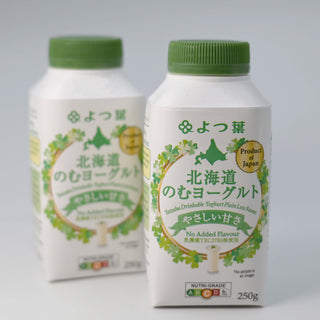
Shop Now →Premium dairy pairings for melons
Explore complementary items to enhance tasting menus and gift bundles with distinct hokkaido flavors.
Shop Now →Curated fruits for gifting and events
Build premium gift baskets with curated hokkaido fruit selections for memorable experiences.
Shop Now →Step-by-Step Instructions
Step 1: Define your hokkaido melon sourcing goals
What to do
- Write a one-page goals document: target varieties (e.g., Yubari King or related premium lines), volume, time window, target margins, and quality thresholds.
- Identify your primary use case (retail display, wholesale, or dining program) and align with vendor capabilities.
Why it matters
- Clear objectives drive data collection rules, supplier selection criteria, and risk tolerances. In high-end melon markets, quality signals (flavor, aroma, and appearance) matter as much as supply reliability, which is why goals should include both sensory and operational dimensions. The Yubari King brand illustrates how branding, scarcity, and quality influence price and demand in premium markets. (hokkaido-treasure.com)
Expected outcome
- A documented plan that informs supplier evaluations, price targets, and delivery timing; a framework to measure progress against.
Common pitfalls
- Vague goals that don’t specify acceptable BRIX ranges or delivery windows; failure to define a fallback plan for peak-season shortages.
Step 2: Build a supplier shortlist and qualification plan
What to do
- Create a list of 5–8 potential suppliers with Hokkaido melon provenance or close-adjacent supply. Gather certifications, harvest windows, and transport terms.
- Run a qualification round: request samples, lead-time data, and price quotes; verify traceability and packaging standards.
Why it matters
- Premium hokkaido melons depend on precise harvest timing, careful handling, and reliable cold chains. The premium market has shown resilience through branding and authenticated provenance, which reduces risk when scaling procurement. (hokkaido-treasure.com)
Expected outcome
- A vetted supplier slate with clear terms, including minimum order quantities, lead times, and risk-sharing arrangements.
Common pitfalls
- Failing to verify cold-chain capability or underestimating import/handling complexities for fragile premium fruit.
Step 3: Establish data signals and build a sourcing dashboard
What to do
- Set up a dashboard to track supplier quotes, lead times, delivery reliability, and quality inspection results for each lot.
- Include a “lot score” based on sensory criteria (appearance, aroma, weight, cut-open tasting notes) and objective measures (BRIX if available, packaging integrity, temperature logs).
Why it matters
- Data-driven decisions reduce subjective bias and enable faster re-sourcing when market conditions shift. Market analyses show modest long-term growth in melon markets and emphasize the importance of branding and data-informed negotiation in Japan’s premium melon space. (indexbox.io)
Expected outcome
- A live view of procurement health, enabling rapid decision-making and scenario planning.
Common pitfalls
- Overloading the dashboard with non-actionable metrics; missing alignment between quality checks and supplier scoring.
Step 4: Define and implement quality signals for hokkaido melons
What to do
- Establish a standardized quality checklist for incoming lots: visual quality (external blemishes, rind uniformity), weight per fruit, smell/aroma cues, cut-open texture, and any brand-specific markers (e.g., Yubari King aroma profile).
- If possible, assign a sensory panel or trained staff to perform a quick pre-inspection before accepting a shipment.
Why it matters
- Premium melons command premium prices when quality is consistent; misalignment can erode margins quickly. Yubari King melons are particularly noted for aroma and sweetness that buyers expect in premium segments. (livejapan.com)
Expected outcome
- A consistent accept/reject process with a transparent audit trail for each lot.
Common pitfalls
- Skipping blind tastings or relying solely on appearance; failing to document deviations for supplier feedback or renegotiation.
Step 5: Secure cold-chain logistics and packaging
What to do
- Confirm cold-chain requirements with your carrier: temperature range, transit time, and handoff procedures at origin and destination.
- Use protective packaging designed for delicate premium fruit to minimize internal bruising and maximize shelf life.
- Schedule deliveries to align with peak freshness windows and product windows for your channels.
Why it matters
- Freshness and integrity are critical for hokkaido melon perception and value. Efficient cold-chain management preserves sweetness, texture, and aroma—key differentiators for high-end melons in markets worldwide. (indexbox.io)
Expected outcome
- On-time deliveries in optimal condition with traceability records for each shipment.
Common pitfalls
- Underestimating transit dwell times during peak seasons; inadequate packaging leading to damage.
Step 6: Evaluate pricing, negotiate terms, and set price bands
What to do
- Use your dashboard to compare quotes across suppliers and scenarios; calculate landed cost, including shipping and risk buffers.
- Establish price bands for different quality tiers and set negotiation levers (volume commitments, lead-time flexibility, quality-adjusted pricing).
- If you track market signals such as auction-driven price spikes in premium segments, adjust bids accordingly to manage risk.
Why it matters
- Premium hokkaido melon pricing is influenced by scarcity, branding, and delivery reliability. Historical cases show first-of-season melons commanding high prices at auctions, illustrating the premium attached to top-tier fruit. This informs how you price, negotiate, and seasonally adjust procurement. (hokkaido-treasure.com)
Expected outcome
- Transparent pricing authority within your organization and improved margins through disciplined negotiation.
Common pitfalls
- Ignoring hidden costs in cold chain or misestimating spoilage risk; failing to renegotiate promptly when market signals shift.
Step 7: Run a controlled pilot and plan for scale
What to do
- Initiate a small-scale pilot with 2–3 suppliers and a limited SKU set to validate process, quality, and logistics.
- Collect feedback from culinary, retail, or distribution partners; iterate based on pilot results.
- If pilot succeeds, draft a scale plan with supplier agreements, logistics capacity, and a phased ramp schedule.
Why it matters
- Pilots reveal real-world frictions that planning alone cannot anticipate. Data-driven pilots help you quantify risk-adjusted returns and build credibility for larger-scale partnerships with premium hokkaido melon suppliers. (indexbox.io)
Expected outcome
- A validated playbook for scaling procurement of hokkaido melons with predictable outcomes.
Common pitfalls
- Overcommitting before pilot results are in; neglecting to pair supply chain improvements with quality-control upgrades.
Optimize your hokkaido melon sourcing with data signals
Use an integrated dashboard to monitor supplier reliability and quality outcomes across harvests.
Shop Now →Premium chocolate and melon pairings for events
Create memorable tasting experiences using hokkaido melon as a centerpiece in gift sets and menus.
Shop Now →Curated fruits for gifting and experiences
Build premium gift baskets with curated hokkaido fruit selections for events and luxury gifting.
Shop Now →Troubleshooting & Tips
Section 3.1: Common quality and inspection issues
What to do
- If a lot fails the quality checklist, document the reason, notify the supplier, and return or renegotiate for corrective action.
- Maintain a re-inspection protocol for returned lots or shipments with partial defects.
Why it matters
- Consistent quality builds trust with buyers and justifies premium pricing; addressing defects quickly preserves margins and brand integrity. Historical premium melon narratives show how brand signals and aroma cues influence buyer perception. (livejapan.com)
Expected outcome
- A clear path to remediation and improved supplier performance in subsequent lots.
Common pitfalls
- Delayed supplier responses or insufficient documentation of defects.
Section 3.2: Price volatility and demand shifts
What to do
- Monitor market signals such as seasonal spikes, harvest windows, and transportation costs; adjust price bands accordingly.
- Use hedging or flexible procurement terms to manage price risk; consider alternate SKUs that complement hokkaido melon offerings.
Why it matters
- Premium fruit markets can experience price volatility around harvest onset and peak demand; data-informed adjustments help maintain profitability. Industry forecasts suggest a measured growth trajectory with branding and distribution efficiency as critical drivers. (indexbox.io)
Expected outcome
- A resilient pricing strategy that adapts to market dynamics without eroding margins.
Common pitfalls
- Rigid pricing that ignores seasonality; relying on a single supplier or channel during high-demand periods.
Section 3.3: Supply disruptions and contingency planning
What to do
- Develop a multi-supplier strategy and keep a small safety stock for critical periods.
- Maintain clear communications with logistics partners to anticipate delays and re-route shipments if needed.
Why it matters
- The premium hokkaido melon market depends on reliable deliveries; contingency planning minimizes operational risk during seasonal constraints or disruptions. Market structure analyses emphasize reliable supply and branding as key success factors for premium fruit markets. (indexbox.io)
Expected outcome
- A robust supply plan with alternate options and defined trigger conditions for switching suppliers.
Common pitfalls
- Over-optimistic assumptions about transit times; failing to test contingency procedures in advance.
Next Steps
Advanced analytics for hokkaido melon sourcing
What to do
- Build predictive models to forecast demand, lead times, and price bands using historical purchase data, harvest calendars, and weather signals.
- Implement a scenario planning framework to evaluate how changes in supply, price, or channel mix impact margins.
Why it matters
- Advanced analytics unlocks deeper insights, enabling proactive procurement strategies and better risk management in a market where brand and quality signals drive premium value. The broader melon market dynamics in Japan indicate that data-driven approaches help buyers navigate modest growth with a premium positioning. (indexbox.io)
Expected outcome
- A scalable analytics capability that informs long-range sourcing strategy and investments.
Related resources and ongoing learning
What to do
- Explore Japan-focused collections and fruit resources to stay current on premium offerings and seasonal windows. Use credible sources to benchmark your own data against market patterns and brand standards.
Why it matters
- Continuous learning ensures your hokkaido melon program remains aligned with evolving consumer preferences and supply-chain innovations. The Yubari King brand’s enduring appeal highlights how brand signals and quality perceptions shape market opportunities. (hokkaido-treasure.com)
Expected outcome
- An evolving sourcing playbook that stays current with market realities and technology-enabled processes.
Closing
By following this structured, data-driven approach to hokkaido melon sourcing, you’ve established a robust workflow that aligns goal setting, supplier qualification, quality assurance, and logistics with measurable outcomes. The combination of premium market dynamics, reliable cold-chain execution, and disciplined pricing creates a foundation for sustainable success in premium hokkaido melon procurement. As you continue refining your process, leverage the three CTA prompts to explore related premium products that complement hokkaido melon offerings, and remember: great sourcing is as much about data discipline as it is about sensory excellence.