


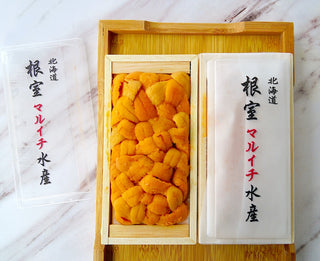

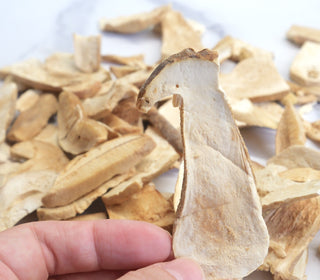

The landscape of home cooking in Singapore and across Asia is evolving rapidly toward premium experiences. Consumers are increasingly willing to pay for chef-grade ingredients, provenance, and convenience that preserves quality in a doorstep delivery era. In 2026, the convergence of premium ingredients—from Wagyu and uni to rare mushrooms and sustainable seafood—alongside heightened attention to sourcing, storage, and cooking techniques, is redefining what “home cooking” can mean for everyday meals and special occasions. This guide takes a data-driven look at how Singapore and Asia are embracing premium ingredients at home, what it means for households and retailers, and how to adopt these trends in practice. The insights reflect both regional reporting on evolving food ecosystems and Miss A’s Handpick Fine Food observations of consumer demand for chef-grade groceries, backed by ongoing market intelligence in 2026. (straitstimes.com)
Across Singapore, local policy shifts and market dynamics are reshaping how premium ingredients are accessed and valued. Chefs interviewed by The Straits Times in 2026 anticipate a continuing rise in regional ingredients and sustainable cooking, with a growing focus on provenance, seasonality, and reduced waste as core drivers of premium home dining experiences. Meanwhile, government updates to local production targets—replacing the old “30 by 30” goal with more granular targets for fibre and protein by 2035—signal a broader push to balance premiumization with resilience and cost control in the supply chain. These trends influence what home cooks should prioritize, how they source, and how they budget for premium ingredients over time. (straitstimes.com)
From the perspective of a home cook or small business owner aiming to elevate meals with premium ingredients, the year 2026 brings a practical, data-informed playbook. Premiumization is becoming more commonplace, supported by enhanced delivery ecosystems and consumer willingness to pay for quality and provenance. Miss A’s Handpick Fine Food has observed continued momentum in premium grocery delivery and plant-forward options, underscoring that discerning shoppers seek reliability, traceability, and taste when shopping for high-end ingredients online. This guide synthesizes those observations with broader market signals to help you plan, source, store, and prepare premium ingredients with confidence. (missa.sg)
Opening paragraph recap and scope The aim here is practical guidance: how to approach premium ingredients in Singapore & Asia for home cooking in 2026, with step-by-step instructions you can apply immediately. You’ll learn how to identify hero ingredients, verify provenance, set up your kitchen and systems, and execute a plan that balances cost with culinary impact. You’ll also find troubleshooting tips for common storage and sourcing challenges, plus next-step ideas to deepen your practice. Throughout, expect data-driven context, balanced viewpoints, and actionable steps you can implement with real-world supplier options and best practices from the region. (straitstimes.com)
Prerequisites & Setup
To begin leveraging Singapore & Asia premium ingredients home cooking trend 2026 in a practical, repeatable way, you’ll need a few baseline elements. This section outlines what to prepare before you start the step-by-step process.
Required Knowledge
- Basic pantry management and storage principles for perishable items.
- Understanding of premium ingredients commonly available in Singapore and Asia (examples include Wagyu beef, uni, truffles, premium mushrooms, and high-grade seafood).
- Familiarity with provenance concepts (origin, traceability, seasonal availability) and why they matter for flavor and safety.
- A working mindset for data-driven decision-making: tracking costs, usage, and yield, then adjusting purchases accordingly.
Why it matters: A strong knowledge base helps you make smarter sourcing choices, avoid waste, and maximize the flavor and texture of premium ingredients. Market coverage in 2026 emphasizes provenance, sustainable practices, and clear value propositions for premium groceries, which aligns with a data-driven home cooking approach. (straitstimes.com)
Tools, Accounts & Resources
- A reliable online premium groceries account (vendor of chef-grade ingredients) and ability to place recurring orders if needed.
- Access to a premium ingredient supplier catalog with detailed product specs, origin information, and storage guidance.
- A basic digital notebook or spreadsheet for tracking purchases, yields, waste, and costs.
- Temperature-controlled storage tools (refrigerator space, appropriate shelving, vacuum sealer or airtight containers as needed), plus a thermometer to monitor fridge and freezer accuracy.
Why it matters: The premium segment requires careful handling, from cold-chain integrity to portion control. Data-driven insights about price volatility and delivery reliability—areas highlighted in 2026 market reporting—help you plan more effectively and protect margins. (asiantrader.biz)
Data Sources & Sourcing Plan
- Establish preferred supplier list with provenance notes (country of origin, farm, processing facility, certifications if applicable).
- Identify 2–3 locally available premium ingredients you’ll feature monthly, paired with 1–2 international premium ingredients to balance novelty and consistency.
- Build a simple evaluation rubric (taste, texture, aroma, aroma/aftertaste, and freshness) to compare supplier claims with observed results.
Why it matters: A structured sourcing plan is essential in a market where premium ingredients are becoming standard but can carry higher price points and variable availability. Industry coverage in 2026 points to premiumization as the norm, underpinned by better traceability and consumer willingness to pay for quality. (missa.sg)
Discover Premium Wagyu & Premium Ingredients Premium cuts and chef-grade ingredients delivered to your door across Singapore.
Rapid Search Results →Step-by-Step Instructions
The core of this guide is the practical, step-by-step approach you can implement to build a premium home-cooking workflow aligned with Singapore & Asia premium ingredients trends in 2026. Each step includes what to do, why it matters, expected outcomes, and common pitfalls to avoid. Visuals and checklists are suggested where helpful to keep you on track.
Step 1: Define Your Hero Ingredients
What to do: Choose 2–3 hero ingredients that will anchor premium meals for the next 4–6 weeks. Examples include Wagyu beef, uni, black truffle, high-grade seafood, or a standout mushroom like matsutake if available regionally.
Why it matters: Having clearly defined hero ingredients creates a focused, quality-driven shopping plan, reduces impulse buys, and ensures you consistently demonstrate value in premium home-cooked meals.
Expected outcome: A short list of 2–3 hero ingredients and 1–2 supporting ingredients, with a preliminary rotation plan aligned to seasonal availability.
Common pitfalls: Overloading on too many premium items at once; under-testing new ingredients before committing to a rotation.
Notes: 2026 market chatter highlights premium ingredients as core to modern home dining, with diners seeking provenance and flavor reliability. Start with one international hero (e.g., Wagyu) and one regional premium item to balance taste and cost. (straitstimes.com)
Visual aid: A simple one-page diagram showing hero ingredients, their seasonality, and pairing notes. Consider a quick screenshot of your hero-ingredient selection in your notes app or supplier portal.
Shop Wagyu & Premium Ingredients Premium selections from Singapore's best suppliers.
Rapid Search Results →Step 2: Source & Verify Provenance
What to do: For each hero ingredient, collect origin details (country/region, farm or producer, processing steps, certifications if present) and confirm freshness windows. Compare supplier declarations with independent sources when possible.
Why it matters: The 2026 trend landscape emphasizes provenance and regional sourcing—consumers are increasingly attuned to where ingredients come from and how they’re produced, which impacts flavor, safety, and value. In Singapore, policy shifts toward more targeted local production also influence premium supply dynamics, making provenance even more critical for planning. (straitstimes.com)
Expected outcome: A provenance dossier per hero ingredient (origin, farm, certifications, freshness window) and a plan for reliable sources, including at least two suppliers per hero item where feasible.
Common pitfalls: Relying on a single supplier; failing to verify freshness or to inspect packaging and labeling; missing certifications where relevant.
Pro tip: Use local delivery platforms with traceability features and maintain a short supplier roster (2–3 reputable sources per hero ingredient) to minimize stockouts and price shocks. The premium grocery delivery landscape in 2026 supports this approach. (missa.sg)
Visual: Include a provenance verification screenshot or table showing origin, certifications, and freshness window for one hero item.
Delivery Details for Premium Goods Learn about delivery windows, cold-chain, and insurance for high-end ingredients.
Delivery Info →Step 3: Plan Storage & Prep
What to do: Establish dedicated storage for each hero ingredient (e.g., vacuum-sealed portions for Wagyu, delicate seafood in a separate ice bath or vacuum pack, mushrooms in breathable containers). Create a prep plan that aligns with your cooking timeline (when you’ll thaw, marinate, or pre-cure ingredients).
Why it matters: Premium ingredients are typically more sensitive to temperature and moisture fluctuations. Proper storage preserves texture and flavor, reduces waste, and speeds up weeknight cooking when quality matters most.
Expected outcome: A labeled storage system and a cooking schedule that ensures ingredients move from storage to finished dish with minimal waste and maximum flavor.
Common pitfalls: Mixing storage for different products (soy sauces, salt, and aromatics) leading to cross-flavors; underestimating defrost times for frozen premium items.
Tip: Keep a simple “usage window” calendar for each hero item (e.g., Wagyu 3–5 days refrigerated, uni 1–2 days fresh) to avoid tossing premium ingredients. The broader 2026 market discussion emphasizes efficient, traceable handling as a core capability. (straitstimes.com)
Step 4: Build a Premium Pantry Strategy
What to do: Create a rotating premium pantry with 8–12 core items that you can rely on for quick yet elevated meals. Include a mix of high-impact staples (good oils, salt, pepper, seaweed, premium soy, curated canned broths) and a few luxury add-ins (truffle oil, rare mushrooms, fine caviars or roe) that pair with your hero ingredients.
Why it matters: A well-curated premium pantry speeds up cooking, supports consistent quality, and makes it easier to craft restaurant-level meals at home without frequent, expensive shopping trips.
Expected outcome: A ready-to-use pantry list with rotation rules and a monthly budget plan that accommodates occasional splurges on premium items.
Common pitfalls: Overstocking on novelty items that go unused; failing to rotate stock by expiration date; underestimating the cost impact of frequent premium purchases.
Visual: A pantry map or a table listing items, storage location, rotation period, and suggested usage.
Discover Premium Wagyu Beef Hand-selected cuts delivered fresh to your door across Singapore.
Shop Now →Step 5: Create a Signature Dish with Premium Ingredients
What to do: Design one dish that highlights a hero ingredient (for example, a Wagyu steak with a light uni butter or truffle aromatics) and a second dish that uses a regional premium ingredient in a contrasting style (e.g., a seafood dish featuring premium seafood with a miso-based glaze).
Why it matters: A signature dish is a practical demonstration of the value premium ingredients bring to home cooking, offering a tangible, repeatable method for taste-first results. It also provides a talking point for sharing experiences with friends and family, reinforcing the premium positioning of your home cooking.
Expected outcome: A written recipe and a tested execution plan with timing, temperatures, and plating notes that reliably yields restaurant-quality results at home.
Common pitfalls: Overcomplicating the dish with too many ingredients; not balancing the hero ingredient’s flavor with supporting elements; underestimating resting times for meat.
Tip: Document your tasting notes after each attempt and adjust seasonings and portioning based on observed outcomes and guest feedback.
Step 6: Price, ROI, and Cost Control
What to do: Build a simple pricing model that captures ingredient cost, portion yield, waste, and labor. Set a target profit margin for premium meals and identify opportunities to optimize cost—such as bulk purchasing, seasonal substitutions, or local sourcing where feasible.
Why it matters: Premium ingredients command price premiums, but they also require careful margin management. The market in 2026 shows sustained premiumization, yet price volatility remains a consideration due to global supply dynamics. A clear ROI helps you sustain quality without compromising finances. (asiantrader.biz)
Expected outcome: A working price sheet and ROI calculation for at least one premium menu idea, plus a plan for ongoing cost review.
Common pitfalls: Underestimating labor or packaging costs; ignoring storage waste; failing to account for price volatility in supplier quotes.
Visual: A simple ROI calculator or cost-per-portion worksheet.
Troubleshooting & Tips
Even with a strong plan, premium ingredients can present unique challenges. This section covers common issues and practical remedies to keep your home cooking on track.
Storage & Freshness Hiccups
Common issues: Premature spoilage, freezer burn, or texture changes that dull flavor.
Solutions:
- Use vacuum sealing or airtight packaging to extend freshness, particularly for Wagyu and delicate seafood.
- Maintain precise fridge/freezer temperatures and track any fluctuations with a thermometer.
- Plan batch preparation to align with peak freshness windows of each hero item.
Why it matters: Freshness and storage integrity are foundational to premium ingredient performance at home. Market observations in 2026 emphasize reliability and traceability as core expectations of premium consumers. (straitstimes.com)
Quality & Supplier Vetting
Common issues: Inconsistent product quality, mislabeling, or misrepresentation of provenance.
Solutions:
- Build a two-supplier minimum for each hero ingredient to mitigate risk of stockouts or quality dips.
- Request documentation or certifications where relevant, and verify claims through supplier portals or third-party sources.
- Pilot small orders to validate quality before committing to larger purchases.
Why it matters: With premium ingredients, the difference between good and great can hinge on reliability, provenance, and consistent flavor profiles. The 2026 trend analyses point to provenance as a differentiator for premium products. (straitstimes.com)
Cost Management & Price Volatility
Common issues: Sudden price spikes or supply delays.
Solutions:
- Lock-in prices with flexible delivery cadences or seasonal purchasing strategies where possible.
- Track per-portion cost and compare to your ROI targets; adjust hero ingredient rotation if needed.
- Consider local alternatives or regional substitutions during peak price periods while preserving overall quality.
Why it matters: Pricing volatility is a feature of the premium grocery landscape in 2026, making proactive cost management essential for sustainable home cooking programs. (asiantrader.biz)
Quick Optimization Tips
- Schedule monthly reviews of pantry stock and pricing with a short, actionable plan for adjustments.
- Use visuals to track freshness and rotation (photos or quick checklists).
- Leverage local sources when possible to reduce transit time and preserve peak quality, while remaining open to seasonal international options for variety.
Visual reminder: A quick-inventory checklist or a simple dashboard showing hero ingredients, shelf life, and rotation status.
Next Steps
You’ve built a foundation for premium home cooking in 2026. Here are additional paths to deepen your practice, expand your repertoire, and keep pace with evolving Singapore & Asia premium ingredients trends.
Advanced Techniques & Pairings
- Experiment with umami boosters and pan-searing techniques that preserve texture in premium proteins.
- Explore precise finishing touches (finishing salts, citrus zest oils, delicate garnishes) that elevate plates without masking the hero’s flavor.
- Master a few signature sauces or compound butters that complement Wagyu, uni, and mushrooms.
Why it matters: Advanced techniques unlock more consistent performance with premium ingredients and help you create distinct, chef-like presentations at home. The broader premium-ingredient movement in 2026 emphasizes refined techniques and thoughtful flavor layering. (straitstimes.com)
Partnering & Scale
- Expand your supplier partnerships to include a second tier of regional producers offering premium ingredients with transparent provenance.
- Consider small-batch collaborations with local artisans to diversify your premium offerings and support sustainability goals.
- Build a monthly premium-meal plan that showcases a rotating hero ingredient, paired with limited-time pairings to maintain excitement and demand.
Why it matters: The 2026 market narrative supports ongoing premiumization, with a focus on trusted partnerships and high-quality provenance. A scalable approach helps you sustain quality as demand and access to premium items grow. (missa.sg)
Closing By embracing Singapore & Asia premium ingredients home cooking trend 2026 with a structured approach, you can elevate everyday meals to restaurant-like experiences while managing costs and ensuring consistency. This guide provided a practical, data-informed path from prerequisites to advanced techniques, focusing on provenance, storage, and disciplined sourcing. As you begin to apply these steps, you’ll gain confidence in selecting hero ingredients, validating their origins, and executing flavorful, memorable dishes for family and guests alike.
If you’re ready to start, begin with Step 1 and build your hero ingredient list today. The premium grocery landscape in 2026 rewards commitment to quality and provenance, and Miss A’s Handpick Fine Food is here to support your journey with carefully curated options and expert guidance.
About Miss A’s Handpicked Team Meet our sourcing partners and quality standards.
About Miss A’s Handpicked →Want precise delivery windows and fresh-ingredient guarantees? Explore shipping options and guarantees.
Delivery Info →Ready to browse premium results tailored to you? Try rapid search results for curated options.
Rapid Search Results →