


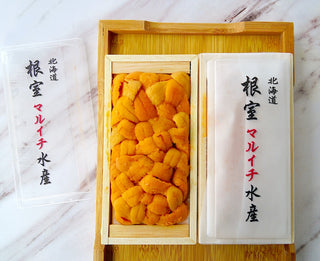



The premium ingredients home cooking Singapore 2026 guide is a practical, data-informed path for turning high-end foods like Wagyu, Hanwoo, uni, and foie gras into approachable, repeatable home dishes. In Singapore’s evolving food landscape, diners are seeking meaningful provenance, value, and authentic sourcing stories as they explore premium ingredients for home meals. Recent industry coverage highlights a shift toward regional ingredients, local producers, and smarter dining options that combine luxury with value, making it a smart moment to master premium home cooking. This guide distills current market dynamics and translates them into a clear, step-by-step approach you can apply in your own kitchen. The aim is to help you plan purchases, manage costs, and execute dishes that showcase premium ingredients without complicating your workflow. The path forward is data-driven: expect better sourcing options, new import opportunities like Hanwoo beef entering Singapore, and a growing emphasis on regional flavors that add depth to premium meals. (straitstimes.com)
In 2026, chefs and retailers alike are observing meaningful shifts in premium ingredients availability and consumer preferences in Singapore. The Straits Times notes rising interest in regional ingredients, sustainability, and value-driven dining experiences, as well as the emergence of premium dining concepts at accessible price points. Hanwoo beef, a rising star alongside Wagyu, is forecast to enter more retail channels as Singapore–Korea trade ties expand, with first shipments appearing in local retailers and restaurants in 2026. This evolving landscape matters for home cooking because it expands the toolkit available to home cooks who want to recreate restaurant-level experiences at home. For home cooks, this means more reliable access to high-quality proteins, smarter pricing, and new flavor ideas drawn from regional ingredients. (straitstimes.com)
Section 1: Prerequisites & Setup
Tools & Equipment
- Sharp chef’s knives, a dedicated slicing kit for premium proteins, and a stable cutting board.
- A dependable thermometer and a digital scale for precise portioning and doneness control.
- Storage solutions: vacuum sealer or high-quality resealable bags, freezer-grade containers, and clearly labeled storage bins.
- A clean, organized pantry and fridge layout that supports quick access to premium ingredients and minimizes time between purchase, prep, and cooking.
- Optional but helpful: a small cooler bag for on-the-go shopping trips to preserve freshness on the way home.
Why it matters: Premium ingredients demand careful handling to preserve texture, flavor, and safety. A well-appointed setup reduces waste and lets you execute dishes with confidence, aligning with data-driven kitchen practices that value efficiency and repeatability. (straitstimes.com)
Knowledge & Skills
- Basic cooking fundamentals: searing, pan sauces, proper resting, and knife skills for premium cuts.
- Understanding of ingredient-specific handling: storage temperatures, thawing protocols, and timing for delicate items (e.g., uni, foie gras, shellfish).
- Flavor pairing awareness, particularly with regional Singaporean ingredients and Japanese wine influences, which are trending in 2026 and beyond. (straitstimes.com)
Why it matters: The 2026 landscape emphasizes provenance, technique, and pairing that elevate premium ingredients at home. A solid foundation reduces guesswork and helps you translate restaurant-level ideas into home-friendly methods. (straitstimes.com)
Supplier Access & Market Context
- Begin by mapping local sources for premium ingredients: specialty butchers (e.g., Culina, Jun’s Butchery) and upscale grocers, along with mainstream retailers offering Wagyu, Hanwoo, and other hero ingredients. The Straits Times highlights Hanwoo’s availability in Singapore via retailers and restaurants as 2026 unfolds, reflecting a broader trend toward regional meat options that complement Wagyu. (straitstimes.com)
- Track price ranges for premium proteins to set a realistic home-cooking budget. For example, Wagyu offerings in Singapore can vary, with some premium cuts priced to reflect marbling and origin, while casual variants offer more approachable price points. This helps plan menus that balance luxury with value. (straitstimes.com)
Screenshots/Visuals: Consider a sourcing map diagram showing Culina, Jun’s, and other premium suppliers, plus a price-range snapshot of Wagyu and Hanwoo. A quick grid comparing price bands by cut would be helpful.
Section 2: Step-by-Step Instructions
Step 1: Define your premium ingredients home cooking Singapore 2026 guide goals
- What to do: Write a short plan outlining which premium ingredients you want to master (e.g., Wagyu beef, Hanwoo beef, uni, foie gras) and which dishes you intend to make first (a two-course dinner, or a tasting menu for guests).
- Why it matters: A clear scope prevents scope creep and aligns your shopping, storage, and technique with real outcomes—especially when you’re navigating limited storage and higher item costs.
- Expected outcome: A concrete shopping and cooking plan with target dishes, estimated per-serving costs, and a calendar for practice runs.
- Common pitfalls: Overcommitting to too many luxury ingredients at once; underestimating the storage and handling requirements for delicate items.
Pro tip: Use the 2026 trend insights to choose ingredients with strong provenance stories and reliable supply, such as Hanwoo entering more channels and regional ingredients gaining traction in fine dining, then adapt to home cooking. (straitstimes.com)
Step 2: Build a sourcing map and relationships
- What to do: Identify 3–5 primary sources for your premium ingredients (e.g., a high-end butcher, a specialty importer, a premium grocer with a reliable meat counter). Create contact notes, delivery windows, and a simple price-tracking sheet.
- Why it matters: The 2026 landscape shows growing access to premium proteins like Hanwoo and Wagyu through both retailers and restaurants as Singapore’s supply network expands. Establishing direct lines shortens lead times and improves quality control. (straitstimes.com)
- Expected outcome: A live sourcing map with negotiated terms (minimums, delivery frequency, storage requirements) and a habit of price monitoring.
- Common pitfalls: Relying on a single supplier; failing to confirm storage capabilities or freshness windows; missing seasonal opportunities.
Screenshots/Visuals: Include a screenshot of your sourcing map and a sample price-tracking table with columns for item, supplier, price per unit, and date.
Step 3: Set up storage, handling, and safety for premium ingredients
- What to do: Establish dedicated zones for raw premium proteins, shellfish and seafood, and luxury dairy/ferments. Implement clear labeling with “use-by” and “opened-date” markers. Use vacuum sealing or airtight containers for longer shelf life; keep cold-chain items in a dedicated fridge bin or cold drawer.
- Why it matters: Premium ingredients demand careful handling to maintain texture and flavor; small mishandlings can degrade quality quickly, affecting two or more dishes. A consistent storage protocol supports repeatable, high-quality results.
- Expected outcome: A well-organized storage system that preserves freshness and minimizes spoilage.
- Common pitfalls: Overpacking the fridge, which reduces airflow; freezing delicate items improperly; neglecting to thaw gently.
Tips: For ingredients like Wagyu and Hanwoo, portion and vacuum-seal in meal-sized lots to facilitate quick, precise cooking sessions. Align thawing with cooking plans to avoid rushed preparations.
Step 4: Create a balanced premium menu plan
- What to do: Draft a simple, elegant menu that showcases two to three premium ingredients across courses. For example, a starter featuring uni or foie gras in a light preparation, a main centered on Wagyu or Hanwoo with a regional flavor twist, and a dessert or pairing that complements the proteins (e.g., sake-inspired glaze or a wine reduction).
- Why it matters: Structured menus help you maximize the impact of premium ingredients and avoid flavor clashes. The 2026 trend coverage emphasizes regional ingredients and refined, value-driven menus that can translate into home cooking when planned carefully. (straitstimes.com)
- Expected outcome: A publishable home menu with precise ingredient lists, estimated servings, and suggested equipment.
- Common pitfalls: Using too many high-impact ingredients in one dish; mismatched flavor profiles; underestimating cooking time for complex preparations.
Tip: Consider pairing notes with a few accessible beverage ideas drawn from current appetite for Japanese wines and Asian wines in Singapore to enhance the dining experience. (straitstimes.com)
Step 5: Build a budget and cost-per-serving model
- What to do: Calculate per-serving costs for each planned dish, including ingredient costs, seasonings, and potential waste. Create two budget scenarios: a premium night (high-end items) and a benchmark night (select premium items with more affordable components).
- Why it matters: Premium ingredients carry higher price points, and 2026 market context shows price sensitivity in dining choices. A transparent cost model helps you decide when to splurge and when to substitute without compromising quality. Wagyu price ranges and premium dining value trends give context for budgeting. (straitstimes.com)
- Expected outcome: A clear cost-per-serving ledger and a plan to manage variability (supply fluctuations, seasonal specials).
- Common pitfalls: Underestimating ancillary costs (oils, garnishes, specialty salts); failing to account for waste; not updating prices with supplier changes.
Step 6: Master core techniques for premium proteins and ingredients
- What to do: Practice precise searing of Wagyu and Hanwoo with proper resting, control of heat, and finishing sauces that complement the meat’s natural flavors. For shellfish like uni, keep temperature and handling gentle to preserve texture; for foie gras, explore controlled searing or torching to achieve a crisp edge and creamy interior.
- Why it matters: Premium ingredients reveal flaws quickly if not handled well. Techniques rooted in solid fundamentals translate to better outcomes, even with high-fat or delicate items.
- Expected outcome: Consistently well-textured proteins with clean, balanced flavors that highlight the hero ingredients.
- Common pitfalls: Overcooking or under-seasoning; rushing delicate items; neglecting final plate temperature.
Expert note: The 2026 trend reporting anticipates ongoing interest in regional ingredients and elevated casual dining—so practice techniques that emphasize cleanliness, balance, and comfort with premium components. This helps you recreate restaurant-level experiences at home. (straitstimes.com)
Step 7: Build a tasting and quality-control routine
- What to do: Develop a small tasting protocol for each dish: aroma check, visual inspection, texture, and balance of fat, salt, and acidity. Keep notes on what to adjust next time (seasoning levels, sear duration, resting time).
- Why it matters: A structured approach to tasting reduces variability across cooks and sessions and builds a repeatable framework for premium dishes.
- Expected outcome: A documented feedback loop that guides future iterations and ensures consistent quality.
- Common pitfalls: Skipping notes; inconsistent tasting practices; ignoring small refinements that add up over time.
Step 8: Plan a premium home dinner event (optional step)
- What to do: If you’re cooking for guests, prepare a two to three course premium dinner with a clear timeline: prep blocks, cooking windows, and service pacing. Create a simple beverage pairing plan aligned with the ingredients (Japanese wines and Asian wines are increasingly popular in 2026). (straitstimes.com)
- Why it matters: A well-paced service respects the ingredients and elevates the experience, turning a home meal into a memorable event.
- Expected outcome: A cohesive, chef-inspired experience that demonstrates mastery of premium ingredients at home.
- Common pitfalls: Overloading the menu; delays in service; inadequate mise en place causing last-minute scrambling.
Screenshots/Visuals: Add a cooking timeline graphic and a plate-planning storyboard showing the sequence of steps from prep to plating.
Section 3: Troubleshooting & Tips
Troubleshooting: Ingredient Availability Issues
- Symptom: A premium item is back-ordered or unavailable from your usual sources.
- Solution: Have 1–2 backup ingredients or substitutions with compatible flavor profiles (e.g., swap in a different premium cut or a confit of a similar fat profile) and adjust cooking times accordingly. Build lead-time into your plan so you’re not forced to improvise at the last minute.
- Pro tips: Maintain a short list of reliable suppliers for each category; track seasonal availability (e.g., Hanwoo windows) and adjust menus to avoid last-minute substitutions.
Troubleshooting: Storage and Freshness
- Symptom: Premium proteins show signs of fatigue (discoloration, off odor) or are thawing too quickly.
- Solution: Use strict thawing protocols (thaw in fridge, not at room temperature), portion items before freezing, and rotate stock using a first-in, first-out approach. If quality concerns arise, have a go-to backup dish that uses pantry-friendly premium items to pivot without compromising dinner quality.
- Pro tips: Invest in a good freezer thermometer and monitor storage temperatures. Visual cues and aroma checks become more important with premium items that may degrade quickly if mishandled.
Troubleshooting: Cost Management and Substitutions
- Symptom: Budget creeping due to premium ingredient prices.
- Solution: Use a tiered menu approach: core premium item on a main dish with complementary, lower-cost ingredients to maintain balance. Leverage regional ingredients to stretch flavor potential without inflating price. The 2026 dining trend coverage notes value-focused premium experiences that you can emulate in home cooking. (straitstimes.com)
- Pro tips: Keep a running price log and set a cap per serving. If a price spike occurs, pivot to a dish that uses fewer highly priced components while preserving the overall dining experience.
Section 4: Next Steps
Advanced Techniques and Ideas
- Expand your repertoire with regional pairings and cooking methods that align with current Singaporean trends. Chefs in 2026 are exploring local and regional ingredients, zero-waste strategies, and refined but accessible presentations. Experiment with koji fermentation or miso-based glazes to build depth without masking the hero ingredients. (straitstimes.com)
- Explore beverage pairings that complement premium proteins, including Japanese wines and Asian wines, to elevate at-home dining experiences. The 2026 coverage notes the growing interest in Japanese and Asian wines as part of premium dining. (straitstimes.com)
Related Resources
- Premium ingredient sourcing and local-market dynamics in Singapore (The Straits Times 2026 trends coverage). (straitstimes.com)
- Price and availability context for Wagyu and Hanwoo in Singapore (ST coverage on fine-dining value and premium meats). (straitstimes.com)
- Consumer and dining trends impacting home and restaurant cooking in 2026 (Luxe for less and regional ingredients themes). (straitstimes.com)
- Broader market context for foodservice and consumer spending in 2026, useful for budgeting and menu planning. (straitstimes.com)
Closing
Mastering premium ingredients at home in Singapore in 2026 is about pairing disciplined sourcing with precise technique and a clear, data-driven plan. By defining a focused set of hero ingredients, building reliable supplier relationships, and applying methodical cooking and tasting processes, you can deliver restaurant-level experiences in your own kitchen. The evolving market—highlighted by Hanwoo’s expansion, regional ingredient momentum, and a growing appetite for value-driven premium dining—supports home cooks who approach premium ingredients with curiosity, patience, and a pragmatic budget. Your next step is to translate this guide into a curated weekly or monthly plan that fits your kitchen, your guests, and your taste for culinary exploration.
As you begin, remember: the goal is to elevate everyday meals with premium ingredients in a way that remains accessible, repeatable, and enjoyable. Use the data-driven insights from 2026 to inform your choices, and let your palate guide the rest.