


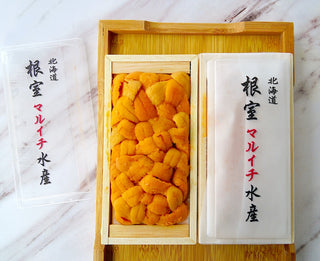
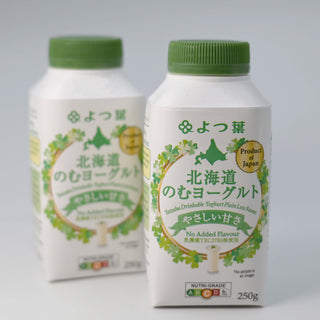
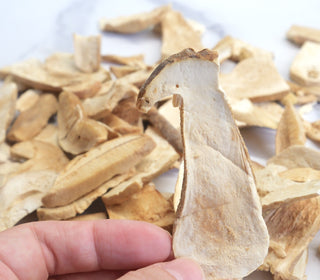

Building a premium-ingredient umami pantry for Singapore in 2026 is more than a shopping list; it’s a strategy for consistently elevating home cooking with depth, balance, and flavor. In Singapore’s fast-evolving food landscape, households increasingly seek premium ingredients that deliver umami-first results while still fitting a practical budget and busy schedule. A well-curated pantry reduces meal-prep time, cuts waste, and unlocks restaurant-like flavors in everyday dishes. Recent coverage of Singapore’s 2026 food trends highlights a push toward regional ingredients, sustainability, and premium sourcing, all of which shape how readers should approach pantry planning. (straitstimes.com)
Miss A’s Handpick Fine Food specializes in bringing high-quality grocery products to homes since 2017, with a catalog that can power a rigorous umami-forward pantry. This guide draws on data-driven methods to help you build a practical, scalable framework for your kitchen that aligns with Singapore’s market realities and consumer preferences for premium ingredients. Readers will learn how to define flavor profiles, source reliable ingredients, implement storage best practices, and maintain quality over time. The approach is designed for home cooks and professionals seeking a repeatable process, not a one-off shopping spree. This is a core competency for modern homes aiming to optimize nutrition, flavor, and cost in 2026. (straitstimes.com)
Proceeding with a disciplined, step-by-step method ensures you end up with a reliable premium-ingredient umami pantry Singapore 2026 that supports diverse menus, seasonality, and evolving tastes.
Prerequisites & Setup
What you’ll need
- A clearly defined flavor direction that centers umami-forward ingredients (think soy, miso, dried mushrooms, aged salts, anchovy or bonito, fermented sauces).
- A practical budget plan for monthly pantry replenishment, including a separate line for premium, long-storage items.
- A clean, organized storage space with climate-controlling capability (cool, dry, dark where possible) and flexible shelving to adapt to seasonality.
- Simple inventory system (spreadsheets, notes app, or a lightweight database) to track purchase date, shelf life, and consumption rate.
Why it matters: A well-prepared setup reduces waste, increases cooking speed, and anchors your decisions in data rather than impulse. Singapore’s current market dynamics emphasize regional ingredients and premium offerings as part of a broader shift toward sustainable, flavor-forward foods. (straitstimes.com)
Tools & gear
- Airtight storage containers (glass or BPA-free) for dry goods and umami boosters.
- Labeling tools (permanent marker or a small label printer) to track open/close dates and origin.
- A compact scale and measuring spoons to ensure consistent recipes and portions.
- Food-grade desiccant or moisture-control packs for delicate umami items.
- A basic thermometer or humidity gauge for sensitive items like dried mushrooms or fermented sauces.
Why it matters: Correct storage preserves flavor integrity and extends shelf life, which is critical when your pantry includes premium ingredients with nuanced profiles. Market signals favor premium harvesting, careful sourcing, and storage-aware usage as part of Singapore’s 2026 food landscape. (straitstimes.com)
Sourcing & access
- Establish preferred suppliers for premium ingredients, including trusted local retailers and reputable online shops with clear origin and batch information.
- Build a short, flexible supplier list for both everyday umami staples and rare items (e.g., Hanwoo beef, high-quality fish sauces, selective ferments) as market availability shifts.
- Consider a fast, reliable delivery option with predictable lead times to keep your pantry stocked without overaccumulating.
Why it matters: The ability to access reliable sources quickly supports a consistent flavor program and keeps you aligned with Singapore’s 2026 trends toward regional ingredients and sustainable, responsible sourcing. (straitstimes.com)
Discover premium pantry resources Explore curated items from Miss A’s Handpick Fine Food designed for umami-forward home cooking.
Delivery Info →The right prerequisites set the foundation for a durable, flavor-forward pantry that scales from week-to-week and season-to-season.
Step-by-Step Instructions
Step 1: Define your flavor profile and budget
What to do: Draft a concise flavor map focusing on umami pillars (soy-based depth, fermented elements, dried mushrooms, seaweed, aged salts, preserved fish). Set a monthly pantry budget that allocates a portion to premium, long-shelf-life items and a separate reserve for fresh, timely purchases.
Why it matters: A clear flavor compass ensures all purchases contribute to a cohesive taste, reducing waste and decision fatigue. With Singapore’s 2026 trend trajectory toward regional ingredients and premium offerings, a defined profile helps you capitalize on the right products at the right time. (straitstimes.com)
Expected outcome: A documented flavor profile and a concrete monthly budget ready for procurement cycles.
Common pitfalls: Over-specified flavor targets that exclude versatile items; underbudgeting for high-demand seasonal ingredients; neglecting shelf-life realities.
Visual aid suggestion: Create a simple flavor wheel or mind map, and attach a sample budget table. A quick screenshot can help you iterate quickly.
Step 2: Audit your current pantry
What to do: Inventory existing items, note their shelf life, and identify gaps that prevent your signature dishes from achieving the desired umami depth. Tally items that should be rotated out and items that should be replenished.
Why it matters: An accurate audit prevents duplicate orders and reveals spend leakage. Singapore’s market environment in 2026 highlights premiumization and sustainability; knowing what you already own helps you target purchases that actually move the needle. (straitstimes.com)
Expected outcome: A current-state pantry map with gaps, surpluses, and a prioritized replenishment list.
Common pitfalls: Under-estimating shelf-life risk for delicate ferments; missing cross-utilization opportunities for items used across multiple dishes.
Step 3: Map essential umami ingredients to core dishes
What to do: Associate key umami ingredients with staple meals (e.g., miso for soups and marinades; dried mushrooms for risottos, risottos, and gravies; bonito or anchovy for broths; aged soy sauces for finishing). Create a quick-reference recipe card for 6–8 go-to dishes.
Why it matters: A tight mapping accelerates weekly planning, reduces impulse buys, and ensures your pantry supports your most-used, high-impact meals. Industry signals show Singapore’s 2026 focus on regional ingredients and premium cooking experiences; aligning your staples with those trends improves relevance and satisfaction. (straitstimes.com)
Expected outcome: A dish-to-ingredient map you can reference in minutes.
Common pitfalls: Overloading on one category (e.g., only sauces) and neglecting textures (crispy, chewy, crunchy) that equilibrate umami with mouthfeel.
Step 4: Source premium ingredients responsibly
What to do: Build a vendor shortlist for core items (premium soy, miso, dried mushrooms, seaweed, fish sauces, specialty salts) and a secondary list for seasonal items (regional produce, limited-run ferments). Confirm batch information, origin, and storage guidance. Plan for reordering cycles aligned with shelf life and usage rate.
Why it matters: Access to reliable, quality ingredients is essential for consistent flavor and long-term pantry health. Market watchers in Singapore emphasize premium ingredients and regional sourcing as key trends for 2026. (straitstimes.com)
Expected outcome: A vetted supplier roster with lead times and minimum order quantities, plus an intake calendar.
Common pitfalls: Relying on a single supplier; ignoring batch variance; forgetting to refresh stock of perishable premium items.
Step 5: Implement robust storage practices
What to do: Allocate dedicated zones for dry umami boosters, liquids, and semi-perishables. Use airtight containers, light-protective storage for sensitive ferments, and humidity-aware shelving for dried mushrooms and seaweed. Label every container with origin, date of receipt, and recommended window for use.
Why it matters: Freshness, flavor integrity, and safety hinge on storage quality. Singapore’s 2024–2026 statistics and trend analyses underscore a focus on efficient, sustainable food systems and premium product ecosystems for households and foodservice alike. (sfa.gov.sg)
Expected outcome: A clearly labeled, access-efficient pantry layout with defined use-by windows.
Common pitfalls: Inadequate labeling, mismatched storage temperatures, overcrowded shelves hindering airflow.
Step 6: Establish rotation and usage routines
What to do: Implement first-in, first-out (FIFO) protocols for all pantry items. Schedule a monthly usage review to adjust future buys based on consumption patterns and upcoming menus.
Why it matters: Rotation minimizes waste and ensures you’re consistently delivering the umami-forward flavors you planned. This aligns with best-practice approaches to premium pantry management and Singapore’s ongoing emphasis on efficient, responsible consumption. (dbs.com)
Expected outcome: A predictable rotation cycle and a dynamic replenishment plan.
Common pitfalls: Neglecting to log opened vs. unopened items; over-reliance on quick-use items that outpace long-storage staples.
Step 7: Create a procurement rhythm and review loop
What to do: Schedule quarterly reviews of supplier performance, product quality, and price competitiveness. Build a procurement calendar that aligns with major cooking seasons, festivals, and menu planning cycles.
Why it matters: A steady procurement rhythm keeps your premium pantry resilient to supply disruptions and market fluctuations. Singapore’s evolving foodservice landscape and consumer outlook for 2026 support a disciplined, data-driven approach to sourcing. (dbs.com)
Expected outcome: A formal procurement rhythm with clear accountability and metrics.
Common pitfalls: Infrequent reviews; not tracking total cost of ownership for premium items.
Find premium pantry staples fast Explore a curated list of umami-rich ingredients tailored for Singapore homes.
Rapid Search Results →Screenshots/visuals: Include a screenshot of your flavor map, audit sheet, and labeled storage layout to illustrate how these steps translate into practice.
Elevate sourcing decisions with expert insight Access sourcing guidance and brand stories from Miss A’s Handpick Fine Food.
About Us →As you complete Step 7, you’ll have a coherent, repeatable process that supports a premium-ingredient umami pantry Singapore 2026 and beyond.
Troubleshooting & Tips
Storage challenges and mitigations
- Humidity and mold risk: Use desiccants or airtight, moisture-controlled containers for delicate umami items. Keep dried mushrooms in a cool, dry environment; recalibrate humidity controls if you notice moisture buildup.
- Light-sensitive ingredients: Store light-sensitive items (like certain misos or seaweeds) in opaque containers or in a dark cabinet to preserve color and flavor integrity.
- Shelf-life drift: Keep a running log of opening dates and recommended windows; rotate stock aggressively for items with shorter shelf lives.
Why it matters: Even premium ingredients can degrade quickly if stored improperly. Singapore’s market dynamics emphasize reliable delivery and premium quality; proper storage is a prudent hedge against waste and flavor loss. (sfa.gov.sg)
Flavor balance and substitutions
- When a primary item is unavailable, identify a compatible substitute with similar umami intensity and mouthfeel (e.g., swap a portion of miso with a touch of mushroom powder or bonito-infused salt).
- Maintain a small reserve of versatile umami boosters to bridge gaps without drastically altering your flavor profile.
Why it matters: Substitutions should preserve your intended flavor direction, especially as regional ingredients and premium items shift in availability in 2026 Singapore. (straitstimes.com)
Quality control and supplier reliability
- For premium items, request batch information, recommended storage conditions, and best-by windows.
- Periodically test new suppliers with smaller orders to validate quality before committing to larger pallets.
Why it matters: A robust supply chain reduces risk of flavor drift and ensures your pantry remains a dependable resource for consistent cooking results. Industry observers note the growing emphasis on reliable sourcing in 2026 Singapore. (dbs.com)
Discover specialized tips for premium pantry management Access expert guidance on sourcing, storage, and usage from Miss A’s Handpick Fine Food.
Delivery Info →If you encounter a storage anomaly or notice flavor drift, use these troubleshooting steps to quickly recover your pantry’s integrity.
Next Steps
Advanced techniques for continued improvement
- Fermentation mastery: Experiment with controlled ferments (e.g., miso, koji, fish sauce blends) to deepen umami profiles while learning shelf-stable methods for long-term flavor development.
- Umami layering experiments: Combine stock bases, reductions, and finishing salts to build depth across soups, stews, and sauces.
Why it matters: 2026 Singapore trends point toward deeper, more nuanced flavor palettes and premium product experimentation, making advanced techniques a natural extension of a well-built pantry. (straitstimes.com)
Building a trusted supplier network
- Expand your network with a mix of local Singapore-based producers and international imports that fit your flavor profile and sustainability criteria.
- Create a quarterly supplier review process and maintain transparent records for provenance and quality.
Why it matters: A resilient pantry relies on a diverse, credible supplier ecosystem that can adapt to market shifts in 2026. (dbs.com)
Next-level resources
- Explore curated product lines and educational materials from Miss A’s Handpick Fine Food to deepen your knowledge of umami-forward ingredients and their best uses.
- Leverage community knowledge by sharing recipes, storage tips, and tasting notes to continuously improve your pantry program.
Why it matters: Ongoing learning and peer exchange help you stay current with evolving trends in Singapore’s premium pantry scene. (straitstimes.com)
Seek deeper learning and ongoing support Get expert insights and product recommendations from our team.
Contact →Closing With a thoughtful plan, you can build a durable premium-ingredient umami pantry Singapore 2026 that supports reliable, delicious results across your weekly menus. The steps outlined here balance data-driven sourcing, disciplined storage, and flavor-forward decision-making, aligning with Singapore’s contemporary market trends toward regional ingredients and premium experiences. As you implement this guide, you’ll gain not only a well-stocked, efficient kitchen but also the confidence to experiment with new flavors and techniques—while keeping quality and sustainability at the forefront. Miss A’s Handpick Fine Food is here to support your journey with trusted ingredients, practical guidance, and dependable delivery options that fit the pace of modern Singaporean homes.