


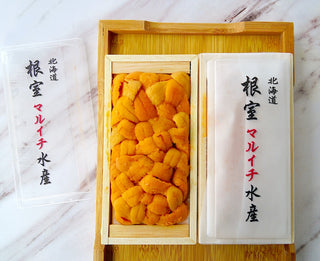



Meat delivery singapore is more than a convenience; it’s a strategic component of modern home kitchens in a data-driven market. As consumer expectations shift toward faster access to high-quality, ethically sourced proteins, households and small-scale food businesses increasingly rely on reliable cold-chain delivery, transparent sourcing, and technology-enabled ordering. In this guide, you’ll find a structured, actionable approach to navigating meat delivery in Singapore, grounded in up-to-date market insights and regulatory realities. By the end, you’ll have a clear plan to select vendors, optimize timelines, and maintain quality from cart to plate. This guide leverages current industry trends and standards to help readers implement practical steps now, with an eye toward future-proofing their meat purchases in a rapidly evolving market.
The focus here is on actionable how-to guidance that you can apply whether you’re ordering for personal use, managing a home-based catering operation, or evaluating options for a small business. You’ll learn how to set up your delivery workflow, execute step-by-step orders with confidence, troubleshoot common cold-chain challenges, and plan next steps that scale as your needs grow. If you’re short on time, use the Step-by-Step section as a quick-start checklist; if you want deeper context, the later sections provide data-backed rationale and practical caveats to consider. The time required to implement the core workflow typically ranges from a few hours for initial setup to a few days for integrating with multiple suppliers; complexity grows with demand, geography, and product variety.
For readers focused on Miss A’s Handpick Fine Food, this guide also weaves in how a trusted Singaporean retailer fits into the broader meat-delivery landscape, including how to leverage curated meat collections for consistent quality and ease of ordering. Sourcing decisions should balance speed, safety, and value, and it’s essential to align with Singapore’s regulatory standards for cold-chain handling as you plan procurement and delivery workflows. (straitstimes.com)
Prerequisites & Setup
Product sourcing fundamentals
Before you start, define your meat categories and preferred suppliers. In Singapore, cold-chain integrity is a critical axis of quality assurance for perishable proteins like beef, pork, lamb, poultry, and seafood. Understanding which suppliers offer reliable cold-chain delivery, transparent sourcing, and consistent packaging will save time and reduce waste. Look for vendors that advertise temperature-controlled transport, insulated packaging, and documented defrosting or cooking guidelines. For reference, Singapore-standard cold-chain practices are designed to maintain safety and quality from production to delivery. (straitstimes.com)
Regulatory context and safety basics
Know the regulatory framework that governs meat and cold-chain logistics in Singapore. The Singapore Food Agency (SFA) regulates food safety, including imports, cold storage, and distribution practices. Standards such as SS 668 (Cold Chain Management of Chilled and Frozen Foods) guide best practices for storage, transport, and handling to ensure meat stays safe throughout the supply chain. Awareness of these standards helps you evaluate supplier claims about packaging, temperature control, and shelf life. (sac-accreditation.gov.sg)
Tools, accounts, and systems to prepare
- A reliable internet-enabled device for ordering and tracking deliveries.
- An account with preferred meat vendors that support online ordering, real-time tracking, and clear delivery windows.
- Temperature monitoring where feasible (thermofoil bags, temperature indicator stickers, or digital thermometers) to verify hold times during transit.
- A simple inventory or meal-planning sheet to schedule orders, track shelf life, and reduce waste.
- Access to a trusted delivery window or curbside pickup option if you want to optimize timing.
These prerequisites set the stage for a smooth, repeatable process. For readers who want a curated starting point, Miss A’s Handpick Fine Food offers a range of meat options and curated collections that align with Singapore’s delivery ecosystem and support fast, dependable home delivery. For context on how online grocery demand is evolving in Singapore, see recent e-commerce statistics and consumer trends. (oom.com.sg)
Time, cost, and risk awareness
- Time: Initial setup typically takes 1–3 hours to configure accounts, stock your shopping list, and establish preferred delivery windows; ongoing orders may be as quick as 15–30 minutes per purchase for routine re-stocks.
- Cost considerations: Delivery fees vary by vendor and distance; meat purchases may attract premium pricing for certified or specialty cuts. For broader e-commerce context, average online shopping order values in Singapore have been substantial in recent years, signaling you’ll likely see competitive pricing as you consolidate orders. (oom.com.sg)
- Risk: The biggest risk is temperature deviation that compromises freshness. To mitigate it, prefer vendors with proven cold-chain practices, verify packaging claims, and keep a short defrost-to-cook window whenever possible. The regulatory environment emphasizes safe handling of chilled and frozen foods, including meat, and ongoing standards development helps improve reliability over time. (straitstimes.com)
Premium Meat Picks for Fresh Dinners
Visual note: If you’re building a visual checklist for your setup, create a one-page diagram showing the end-to-end flow: supplier → order → packaging → cold-chain transport → storage at home → cooking. A simple diagram helps keep everyone on the same page and can be shared with other household members or staff if you manage a small business. Setup checklist (quick-start) Identify 2–3 trusted meat vendors with online ordering and clear delivery windows. Create or update customer profiles with delivery and payment preferences. Confirm packaging and temperature guidelines with each supplier (minimum guaranteed temps, hold times, defrosting guidance). Prepare a basic inventory system to track shelf life (e.g., beef, pork, lamb, poultry, seafood). Schedule your first test order to validate timing, packaging, and temperature performance. CTA after this section Elevate weeknight meals with curated premium cuts and reliable cold-chain delivery.
Shop Now →Section 2: Step-by-Step Instructions
Step 1: Define delivery goals and restrictions
- What to do: Clarify your meat delivery goals (e.g., weekly protein plan, event catering, or bulk stock) and note any constraints like budget, storage space, or freezer capacity.
- Why it matters: Clear goals guide supplier selection, packaging choices, and delivery frequency, reducing waste and ensuring consistent quality.
- Expected outcome: A documented delivery plan with target quantities, preferred cuts, and delivery cadence.
- Common pitfalls to avoid: Overestimating storage capacity; underestimating defrost times; dismissing packaging quality as “not important.”
- Visual cue: Use a quick one-page map showing target weekly protein needs, number of servings, and freezer space.
Step 2: Build a shortlist of trusted meat vendors
- What to do: Research 2–4 vendors offering meat delivery in Singapore, prioritizing those with clear cold-chain assurances, ingredients sourcing transparency, and consistent packaging.
- Why it matters: Supplier transparency and cold-chain reliability are central to preserving meat quality from cart to plate, especially for perishable products like beef, pork, and seafood.
- Expected outcome: A vetted vendor shortlist with at least two primary backup options.
- Common pitfalls to avoid: Relying solely on price without checking packaging and cold-chain claims; ignoring customer reviews about delivery reliability.
- Visual cue: Create a comparison table listing: product range, delivery windows, packaging, cold-chain guarantees, return/recall policies.
Step 3: Create your shopping profile and test order
- What to do: Set up your account(s) with chosen vendors, add preferred payment methods, and place a small test order to verify timing, packaging, and product quality.
- Why it matters: A test order helps you validate real-world delivery performance before committing to larger buys.
- Expected outcome: A successful test delivery with acceptable packaging and temperature maintenance; notes on any deviations.
- Common pitfalls to avoid: Selecting only the lowest price without checking packaging; missing defrosting instructions or storage guidance.
- Visual cue: Capture a screenshot of the order confirmation and packaging specification for reference in future orders.
Step 4: Implement a cold-chain verification process
- What to do: Upon receiving the order, inspect packaging, verify temperature labels or indicators, and confirm product condition (color, odor, ice bag integrity).
- Why it matters: Cold-chain integrity is essential to prevent spoilage and ensure safety, especially for delicate items like seafood or small goods prone to freezer burn.
- Expected outcome: A documented receipt with temperature indicators meeting vendor guarantees and a plan to refrigerate or freeze promptly.
- Common pitfalls to avoid: Delaying refrigeration, overloading the freezer, or assuming all products can be thawed at room temperature.
- Visual cue: If available, attach temperature indicator readings to your inventory log and add a note about any anomalies.
Step 5: Organize storage and defrost planning
- What to do: Sort items by type and shelf life; label packages with use-by dates; plan defrost sequences in line with intended meals.
- Why it matters: Proper thawing and storage preserve texture, flavor, and safety, enabling consistent results in cooking.
- Expected outcome: An organized freezer and fridge with clearly labeled meat inventory and a weekly defrost calendar.
- Common pitfalls to avoid: Overloading the freezer leading to temperature fluctuations; thawing multiple items together when different items require different defrost timelines.
- Visual cue: A color-coded inventory sheet or digital log that highlights items due within 2–3 days.
Step 6: Integrate with meal planning and cooking workflows
- What to do: Create a weekly meal plan aligned with the meat you have on hand; map recipes to available cuts; schedule cooking windows that align with delivery timing.
- Why it matters: Integration cuts waste, improves meal consistency, and helps you achieve the best flavor and texture from each cut.
- Expected outcome: A practical meal plan that reduces last-minute shopping trips and ensures timely cooking.
- Common pitfalls to avoid: Ignoring leftovers; not adjusting portion sizes when substitutions occur.
- Visual cue: A sample week of meals mapped to available cuts, with defrost times and cooking methods noted.
CTA after this section
Beef & Lamb Selections for Every Dinner
Explore cuts perfect for grilling, roasts, and weeknight suppers with reliable delivery.
Shop Now →Pork & Deli Delights to Elevate Meals
Stock up on premium pork and deli products for versatile family dinners.
Shop Now →Seafood Freshness You Can Trust
Secure seafood options delivered with cold-chain assurances for peak freshness.
Shop Now →Section 3: Troubleshooting & Tips
Temperature control issues and how to respond
- Problem: Temperature indicators show borderline or out-of-range readings.
- Solution: Contact the vendor promptly, document readings, and request a replacement or credit if applicable; adjust defrost and storage plans to prevent spoilage.
- Pro tips: Consider adding a portable cooler bag for initial handoff, especially during peak heat. Verify that the delivery vehicle uses insulated packaging and validated cold-chain practices. Regulatory emphasis on cold-chain standards supports ongoing diligence. (straitstimes.com)
Packaging and product quality concerns
- Problem: Packaging shows signs of damage or leakage; meat color or texture seems off.
- Solution: Photograph packaging before opening if possible; compare to vendor guidelines; request guidance on safe handling and recommended cook times; pursue refunds or replacements if quality is compromised.
- Pro tips: Prioritize vendors offering tamper-evident seals and clear labeling about sourcing and storage; keep a simple “quality notes” log for each order.
- Related context: SFA standards and cold-chain practices underpin packaging expectations for meat products delivered to consumers. (sfa.gov.sg)
Delivery timing and logistics
- Problem: Delays due to weather, traffic, or operational issues.
- Solution: Build a buffer into your delivery window, especially when planning for perishable items; align your defrosting schedule with expected delivery times.
- Pro tips: Use vendors with real-time order tracking and proactive alerts; if timing is critical for events, arrange a pickup option or secondary backup supplier to avoid last-minute gaps. Market trends show growing reliance on delivery platforms and smoother last-mile experiences, but variability can still occur. (oom.com.sg)
Storage optimization and waste reduction
- Problem: Over-ordering leads to waste.
- Solution: Use the defrost calendar, track shelf life, and adjust weekly quantities to align with planned meals.
- Pro tips: Rotate stock using first-expire, first-out (FEFO) practices; consider smaller, more frequent orders to maintain peak quality while reducing waste. Industry analyses highlight online grocery growth and how smarter ordering reduces waste and improves value. (oom.com.sg)
Section 4: Next Steps
Scale your meat delivery capability
- What to do: If you’re satisfied with the core workflow, explore expanding to additional protein categories (e.g., seafood, poultry) and more diverse cuts; test new vendors to broaden sourcing resilience; consider subscription or recurring delivery for consistency.
- Why it matters: Scaling your meat delivery approach supports convenience, cost control, and menu diversification for households and small food businesses alike. Singapore’s cold-chain ecosystem continues to evolve with new players and cloud-kitchen-style delivery models, so diversification can reduce risk and improve service levels. (globenewswire.com)
- Expected outcome: A multi-vendor, multi-category delivery plan with reliable service levels and reduced risk of stockouts.
- Common pitfalls to avoid: Over-reliance on a single supplier; under-investment in temperature verification or defrost planning; ignoring regulatory updates that may affect imports or cold-chain requirements.
Advanced techniques for quality and efficiency
- What to do: Implement a more formal vendor evaluation process, including performance metrics (on-time delivery rate, packaging quality, temperature adherence), and regularly review supplier SLAs.
- Why it matters: A structured approach to supplier performance reduces variability and helps you maintain consistent quality while scaling up. Industry standards and ongoing regulatory updates help drive continuous improvement in cold-chain performance. (sac-accreditation.gov.sg)
- Expected outcome: A formal vendor scorecard with actionable insights for negotiation and optimization.
- Common pitfalls to avoid: Relying solely on price or novelty; neglecting post-purchase support, returns, or recall processes; failing to document temperature excursions for future improvement.
Related resources and next-step ideas
- Deepen your understanding of cold-chain management standards and how they apply to home delivery. See Singapore standards for cold-chain management and related certifications for logistics providers. (sac-accreditation.gov.sg)
- Explore ongoing market context for meat delivery and e-commerce trends in Singapore to anticipate shifts in pricing, availability, and consumer behavior. (oom.com.sg)
- Consider integrating with a broader online-meat ecosystem by pairing curated meat from premium collections with other grocery categories (seafood, dairy, pantry), as many Singaporean retailers emphasize cross-category convenience. Miss A’s Handpick Fine Food offers diverse collections that can complement a meat-forward delivery strategy. (missa.sg)
Closing
By following this data-driven, step-by-step approach, you’ve established a practical framework for meat delivery singapore that emphasizes reliability, safety, and value. You’ve defined goals, built a vetted supplier base, verified cold-chain integrity, and integrated meat procurement into a meal-planning workflow designed to minimize waste and maximize flavor. As the market evolves with new players, standards, and delivery capabilities, your setup is ready to adapt — with a focus on quality, transparency, and efficiency.
If you’re looking to continue expanding your meat toolkit or to explore premium options that align with a robust cold-chain approach, consider exploring curated meat collections from reputable Singaporean suppliers, including Miss A’s Handpick Fine Food, which offers a range of meat products and related categories so you can diversify quickly and with confidence. (missa.sg)
The landscape of meat delivery singapore is evolving. With regulatory guidance, improved cold-chain practices, and consumer demand for convenience, households and small businesses can confidently adopt a data-driven, step-by-step approach to get the right cuts at the right time. Use the framework outlined above to build a repeatable, scalable process that delivers consistently high-quality meat to your doorstep.