



Miss A's Handpick Fine Food invites you to savor a premium Kabayaki Unagi Rice Bowl with Pickled Daikon at home. This dish combines lacquered eel with a shimmering glaze and crisp, tangy pickles to create a balanced, restaurant-quality bowl that’s perfect for busy weeknights, weekend gatherings, or thoughtful gifts from a grocery delivery service you can trust. Our one-liner says it all: Discover premium grocery home delivery in Singapore with fresh, high-quality food products handpicked to bring the best to your kitchen daily. The Kabayaki Unagi Rice Bowl with Pickled Daikon embodies that promise—convenience without compromise, flavor with story, and a dining experience that starts in your own kitchen.
In this guide, you’ll learn why the Kabayaki Unagi Rice Bowl with Pickled Daikon is a standout choice, how to recreate the experience at home with technique and quality ingredients, and how Miss A’s Handpick Fine Food brings these elements to your doorstep in Singapore. We’ll weave traditional techniques with modern convenience, drawing from centuries of Japanese preparation and the contemporary movement toward curated, high-quality home delivery. And throughout, you’ll see the keyword Kabayaki Unagi Rice Bowl with Pickled Daikon appear naturally as part of the culinary narrative.
The timeless allure of a Kabayaki Unagi Rice Bowl with Pickled Daikon
A Kabayaki Unagi Rice Bowl with Pickled Daikon is more than a dish; it’s a compact celebration of technique, balance, and texture. At its core, the eel is prepared using the kabayaki method—a lacquered glaze that highlights sweet and savory notes, achieving a glossy finish and a soft, succulent center when cooked properly. The sauce, typically a tare made from soy, mirin, sake, and sugar, caramelizes on the eel, infusing the meat with depth while preserving the eel’s delicate texture. This combination is then served over steaming rice, with Pickled Daikon (often in the form of takuwan or bettara zuke variants) providing a crisp, bright counterpoint that cleanses the palate between bites. Kabayaki sauce is one of the most iconic glazes in Japanese cuisine and has a long history dating back to the Edo period, where cooks perfected a balance of umami and sweetness that has endured for centuries. (arkorestaurant.com)
For many diners, a Kabayaki Unagi Rice Bowl with Pickled Daikon delivers multiple sensory notes in a single bite: the caramelized crackle of the glaze, the soft tenderness of the eel, the neutral backdrop of the rice, and the crunchy, tangy snap of pickled daikon. The pickles themselves—whether takuwan-style daikon or traditional bettarazuke variants—offer a contrasting texture and a sweet-sour finish that elevates the overall harmony of the dish. Tsukemono such as takuwan have long anchored Japanese meals as palate cleansers and flavor amplifiers, helping to balance the richness of grilled eel. Serious Eats’ guide to Japanese pickles provides a vivid overview of how tsukemono contribute to meal harmony in countless traditional meals. (seriouseats.com)
To bring the Kabayaki Unagi Rice Bowl with Pickled Daikon to life at home, you don’t need a specialized kitchen. You need the right components, careful timing, and a little patience for the glaze to reach that irresistible lacquered sheen. A modern take on this classic technique often uses pre-filleted unagi and a tare that simmers to a glossy viscosity, ensuring each bite is a balance of sweet, salty, and smoky notes. Contemporary culinary writers have highlighted the elegance and technique behind kabayaki, underscoring how the glaze rounds out the eel’s natural oils and elevates the dish from simple rice bowl to refined centerpiece. (finedininglovers.com)
Why Kabayaki matters: technique, glaze, and balance in a single bowl
The Kabayaki Unagi Rice Bowl with Pickled Daikon thrives on a simple premise: elevating ingredients through technique and thoughtful balance. The eel, when prepared in the kabayaki style, is split, filleted, marinated or brushed with tare, and grilled to a lacquered finish. The glaze’s sugars caramelize, creating a shiny surface that perfumes the air with umami-rich sweetness. The glaze also plays a structural role, forming a slightly viscous coating that clings to the eel and mingles with the steam-softened rice. When you bite through the eel, the glaze should strike a balance between glossy sweetness and a subtle, smoky char—an effect that is both visually appealing and deeply flavorful. This balance is the essence of the Kabayaki Unagi Rice Bowl with Pickled Daikon experience. (arkorestaurant.com)
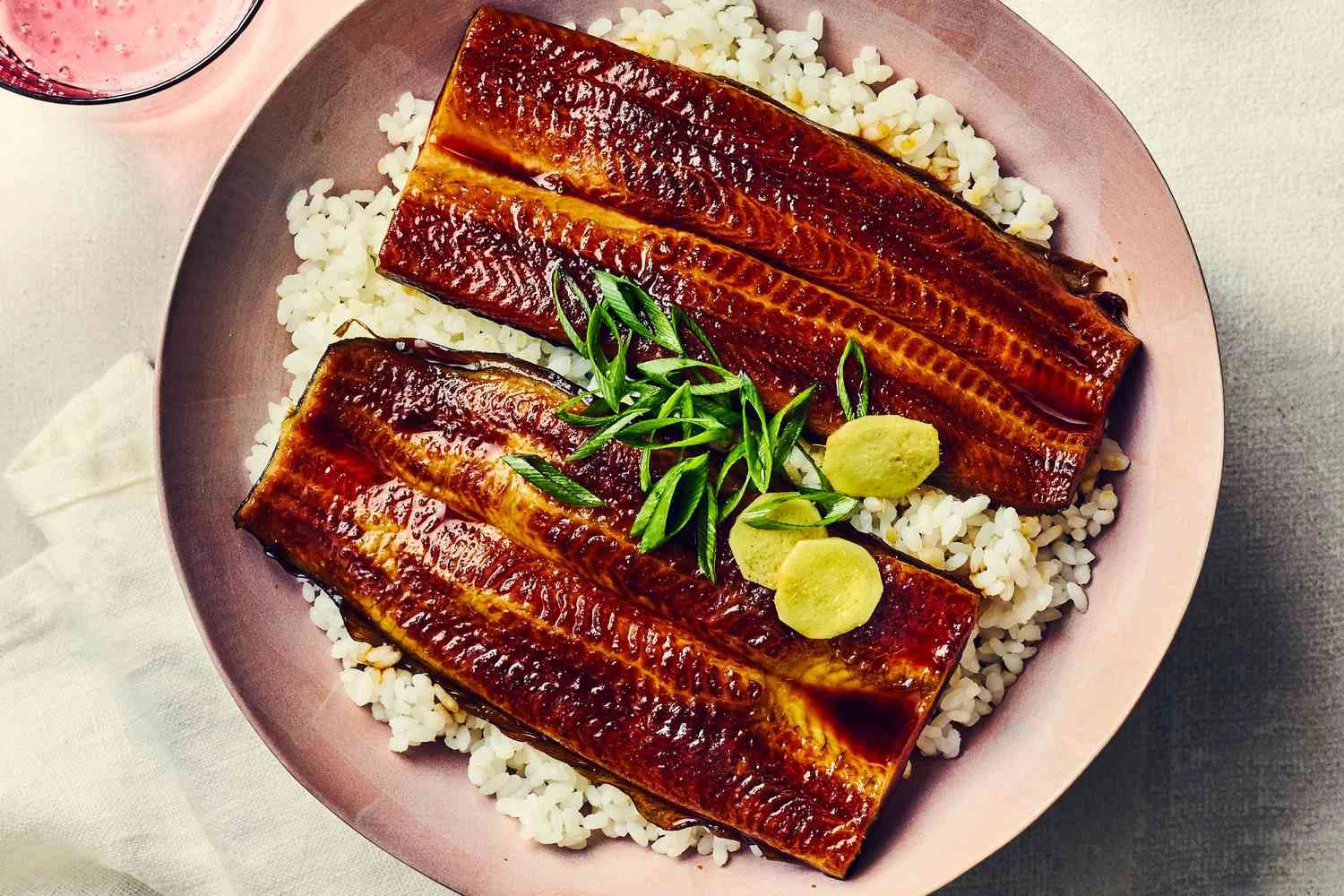
Pickled Daikon provides a crisp, bright, palate-cleansing contrast to the eel’s richness. In Japanese dining, tsukemono serves as a counterpoint to heavier flavors, helping to reset the palate and invite another round of bites with renewed curiosity. Daikon pickles vary by method and regional preference, from sun-dried variants to faster pickled preparations such as takuwan and bettarazuke. Each type brings a different texture, color, and acidity to the bowl, enriching the overall dining narrative. A thoughtfully prepared Kabayaki Unagi Rice Bowl with Pickled Daikon benefits from this interplay, creating a dish that’s both comforting and exciting—perfect for a premium grocery home delivery experience. (foodinjapan.org)
Crafting a Kabayaki Unagi Rice Bowl with Pickled Daikon at home
Creating a satisfying Kabayaki Unagi Rice Bowl with Pickled Daikon in your own kitchen starts with high-quality ingredients and clear steps. Below is a practical framework you can adapt if you’re cooking from scratch, and also a roadmap for how Miss A's Handpick Fine Food can stock these elements for convenient, premium delivery to Singapore households.
Core ingredients for a quintessential Kabayaki Unagi Rice Bowl with Pickled Daikon
- Unagi or fresh eel fillets prepared in kabayaki style, glazed with a tare made from soy, mirin, sake, and sugar. The glaze should be glossy and sticky, not watery, and the eel should remain tender with a light smoky note from grilling. A traditional tare is reduced to a syrupy consistency that coats the eel in a savory-sweet sheen. This technique has deep historical roots in Japanese cuisine and is celebrated for its distinctive glaze and texture. (arkorestaurant.com)
- Rice: Short-grain or medium-grain Japanese rice is ideal for its stickiness and ability to hold the glaze without getting soggy. A well-cooked bed of rice acts as a neutral canvas for the eel’s aroma and the daikon’s crunch.
- Pickled Daikon: Takuan-style daikon or bettara zuke variants bring brightness and crunch. Takuan is a classic Japanese pickled daikon that is vibrant, crisp, and slightly sweet and salty, while bettara zuke has a distinctive stickiness and depth from the pickling process. Both pair beautifully with grilled eel and rice. (foodinjapan.org)
Step-by-step method (high-level framework)
- Prepare the tare glaze:
- In a small saucepan, combine soy sauce, mirin, sake, and sugar.
- Simmer gently until the liquid thickens to a glossy coat. The glaze should cling to a spoon and form a thin, lacquer-like layer when brushed on the eel. This glaze forms the signature Kabayaki finish and contributes both aroma and savory sweetness. (arkorestaurant.com)
- Prepare the eel:
- If using whole fillets, score lightly along the surface to help the glaze penetrate and to ensure even caramelization.
- Brush the glaze over the eel and grill or broil, turning and brushing with additional glaze to build a lacquered surface. The goal is a caramelized exterior that remains tender inside. Contemporary recipes emphasize the careful timing required to avoid overcooking. (finedininglovers.com)
- Assemble the bowl:
- Spoon warm rice into a bowl, lay the lacquered eel atop, and drizzle with extra glaze if desired.
- Add Pickled Daikon on the side or in thin ribbons over the eel for color and contrast.
- Optional garnishes: sliced scallions, sesame seeds, or a light dusting of sansho pepper to add fragrance and a mild citrusy lift.
- Serve with a complementary drink or side:
- A chilled green tea or a light, crisp lager can complement the dish, underscoring the clean finish of the pickled daikon and the richness of the eel.
Tips for achieving restaurant-quality results at home
- Temperature control is key: grill or broil with consistent medium heat to avoid burning the glaze while allowing the eel to render its oils gently.
- Use high-quality eel or unagi with a clean, well-trimmed fillet; the quality of the fish significantly affects the glaze’s perception.
- Let the tare reduce to a proper consistency; a glaze that’s too thin will pool and wash away the eel’s flavors, while an overly thick glaze can mask the delicate texture of the eel.
- For the Pickled Daikon, aim for crispness with a bright finish. If using takuwan, slice thinly and arrange with care to showcase its color and texture.
A practical shopping list for Miss A’s Handpick Fine Food customers
- Kabayaki eel fillets or fresh eel suitable for kabayaki
- Soy sauce, mirin, sake, sugar or a ready-made tare
- Sushi rice or premium short-grain rice
- Pickled Daikon (takuan or bettara zuke)
- Optional: scallions, sesame seeds, sansho pepper, and pickled ginger for garnish
In Singapore, Miss A’s Handpick Fine Food makes this shopping list easy to assemble through premium grocery home delivery. The service emphasizes handpicked, high-quality food products that help bring the best to your kitchen daily, aligning with the dining experience of a Kabayaki Unagi Rice Bowl with Pickled Daikon. Our delivery approach mirrors the discipline of selecting the right ingredients for a refined dish, turning your kitchen into a stage for culinary technique and thoughtful flavor pairing. This is the essence of the Miss A’s Handpick Fine Food promise.
Quick comparison: Kabayaki Unagi Rice Bowl with Pickled Daikon vs other popular bowls
| Dish variant | Core protein | Key flavor notes | Texture contrast | Typical garnish or sides |
|---|---|---|---|---|
| Kabayaki Unagi Rice Bowl with Pickled Daikon | Grilled eel with tare glaze | Sweet, savory, glossy glaze | Tender eel, crisp pickled daikon | Rice, scallion, sesame, optional sansho |
| Classic Unagi Donburi (no pickles) | Unagi on rice | Rich eel with tare glaze | Silky eel, soft rice | Nori, pickled ginger (optional) |
| Salmon Teriyaki Bowl | Salmon | Sweet-savory glaze | Flaky fish, sticky glaze | Rice, steamed vegetables |
| Chicken Katsu Don | Breaded chicken | Savory soy-based sauce | Crispy exterior, tender interior | Egg, onions, rice |
- This table highlights how the Kabayaki Unagi Rice Bowl with Pickled Daikon stands out through the lacquered eel and the bright pickled daikon, offering a distinct texture and aroma profile that pairs beautifully with the simplicity of rice. The glaze, the eel texture, and the daikon’s crunch create a holistic eating experience that showcases traditional technique with modern convenience. The kabayaki technique and glaze are widely discussed in culinary resources that trace the sauce’s iconic status and the glaze’s role in the dish’s appeal. (arkorestaurant.com)
The pickled daikon family: takuwan, bettara zuke, and beyond
Pickled daikon is a hallmark of tsukemono, a category of Japanese pickles that contributes acidity, brightness, and texture to meals. Takuwan (沢庵漬け) is a classic yellow pickled daikon that remains crisp, subtly sweet, and deeply savory, often produced through long curing. Bettarazuke is another daikon-based pickle that has its own distinctive texture and flavor profile, sometimes described as a stickier, more moist pickle due to its fermentation method. Both variants serve to reset the palate and brighten the flavors of a rich glaze like the kabayaki. For a deeper dive into these pickles, see contemporary explanations of takuwan and bettarazuke from Japanese culinary resources and food guides. (foodinjapan.org)
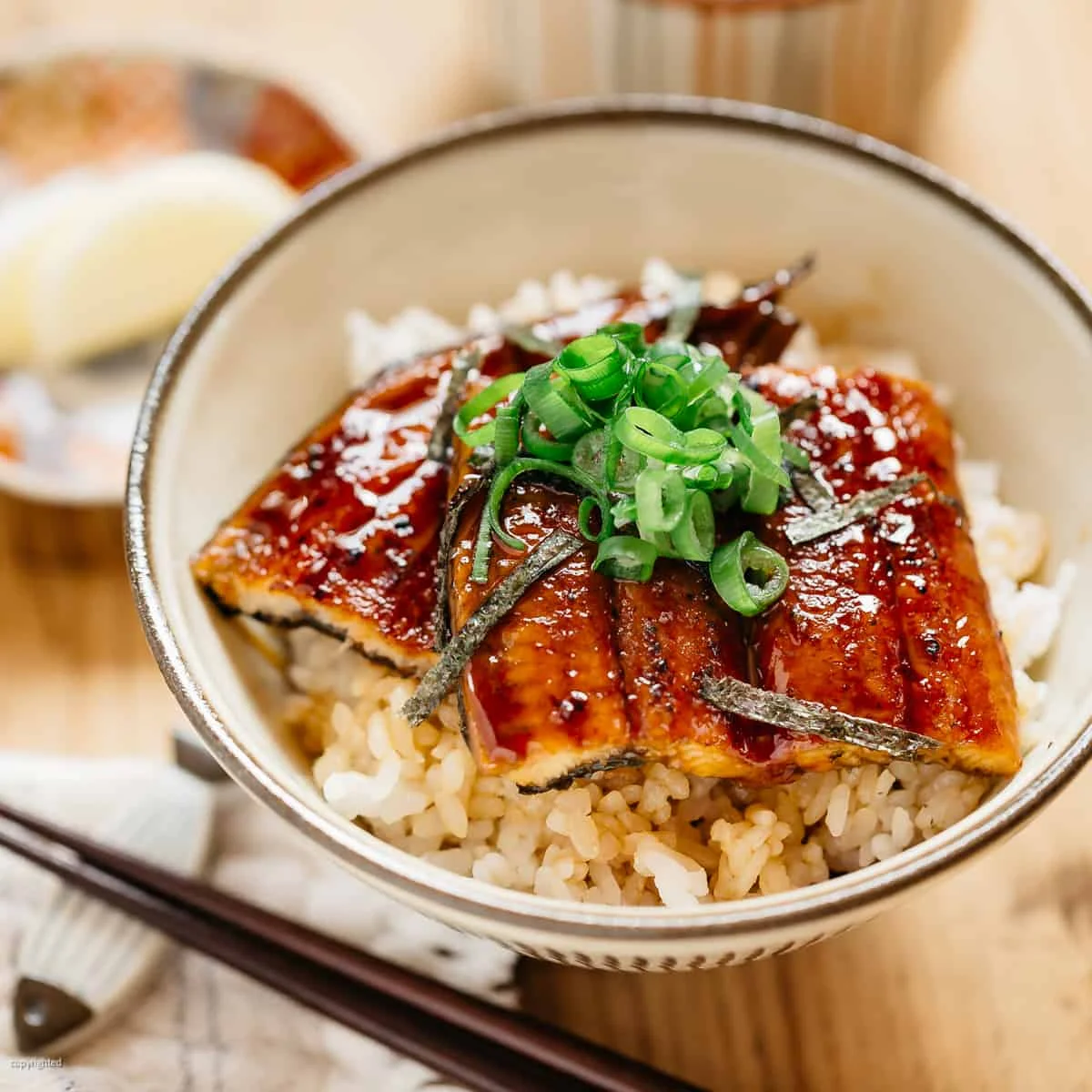
In the Kabayaki Unagi Rice Bowl with Pickled Daikon, the daikon pickles are not just a side note; they are integral to the dish’s balance. The crunchy, tart bite of pickled daikon contrasts with the eel’s velvety, syrupy glaze, creating a more dynamic mouthfeel and a multi-sensory dining moment. They also introduce a color counterpoint—bright white and yellow tones that pop against the dark lacquer of the eel and the pale rice. This contrast is not only visually appealing; it enhances the overall flavor balance by providing sharp acidity that offsets the glaze’s sweetness. Tsukemono, including takuwan and bettara zuke, are celebrated for their role in Japanese meals as palate-cleansing elements and flavor amplifiers. (seriouseats.com)
Flavor pairing strategies and serving ideas
- Pairing with beverages: A light, crisp sake or a dry white wine can echo the glaze’s sweetness while refreshing the palate between bites. For a non-alcoholic option, a chilled green tea or a barley tea (mugicha) complements the dish’s umami and acidity without overpowering it.
- Plate presentation: Use a shallow, wide bowl to spread the rice and eel evenly, allowing the glaze to pool at the edges. Place the Pickled Daikon on the side with a few cucumber ribbons or carrot shavings for splash and texture diversity.
- Garnishes: Thin scallion slivers, toasted sesame seeds, and a light dusting of sansho pepper add fragrance and a citrusy lift that brightens the dish without introducing overpowering flavors.
“Cooking is love made visible.” This simple idea captures how a Kabayaki Unagi Rice Bowl with Pickled Daikon brings care and craftsmanship to your table. When you source premium ingredients and apply technique, every bite becomes a signal of hospitality and attention.
Why Miss A's Handpick Fine Food is the right partner for your Kabayaki journey
Miss A's Handpick Fine Food stands for premium grocery home delivery in Singapore with fresh, high-quality food products handpicked to bring the best to your kitchen daily. The company’s one-liner emphasizes the mission: Discover premium grocery home delivery in Singapore with fresh, high-quality food products handpicked to bring the best to your kitchen daily. By curating a line of ingredients that supports the Kabayaki Unagi Rice Bowl with Pickled Daikon, we enable home cooks to reproduce restaurant-quality results with confidence. The service model aligns with the philosophy of pairing tradition with modern convenience, delivering not only a dish but an experience that respects technique and flavor. This approach makes it easier for Singapore households to enjoy a Kabayaki Unagi Rice Bowl with Pickled Daikon without compromising on quality or provenance.
In practice, ordering is straightforward: select high-quality eel, tare components, fresh rice, and authentic Pickled Daikon options; have them delivered to your door; and follow a tested method to recreate a bowl that matches the best Japanese or Japanese-inspired bowls you’ve enjoyed in top restaurants. The aim is to bring the kitchen experience closer to the dining table, ensuring every dinner feels thoughtful, balanced, and entirely satisfying. The guide here, with its focus on Kabayaki Unagi Rice Bowl with Pickled Daikon, reflects our commitment to supporting home cooks with reliable sourcing and practical cooking knowledge.
Flavor-forward dining: expanding the Kabayaki repertoire
A Kabayaki Unagi Rice Bowl with Pickled Daikon can be the anchor, but it also serves as a launching pad for creative variations. Consider these expansion ideas that stay true to the core technique while offering new seasonal twists:
- Add a citrus element: A light squeeze of yuzu or lemon zest can brighten the glaze’s sweetness and offset the eel’s richness.
- Introduce vegetable accents: Quick-blanched greens such as spinach or baby bok choy can provide a fresh counterpoint and add color on the plate.
- Experiment with regional daikon pickles: If available, explore bettara zuke–style pickles or other regional tsukemono to discover complementary textures and flavors that keep the Kabayaki Unagi Rice Bowl with Pickled Daikon feeling new.
Data gaps and next steps
To further refine this article and tailor it to Miss A's Handpick Fine Food customers, we would benefit from:
- Specific product SKUs and supplier notes for the Kabayaki eel and tare blends offered by Miss A’s Handpick Fine Food.
- Local Singapore delivery timing, packaging details, and temperature control data for premium groceries.
- Customer testimonials and case studies about the Kabayaki Unagi Rice Bowl with Pickled Daikon to illustrate real-world experiences.
If you have access to these data points, we can weave them into the article to provide concrete examples, pricing insights, and a more compelling set of use cases for Miss A’s Handpick Fine Food. Until then, the article’s guidance focuses on technique, pairing, and the broader concept of delivering restaurant-quality ingredients to your kitchen with premium groceries.
Frequently asked questions
- What is Kabayaki sauce, and why is it central to the dish?
- How do pickled daikon variants like takuwan or bettara zuke affect the dining experience?
- Can I recreate this dish with readily available grocery items through Miss A’s Handpick Fine Food?
- Are there sustainable sourcing considerations for eel meat in a home kitchen? (When selecting eel, consider sources that emphasize responsible farming or alternatives like non-fishy proteins for guests with dietary concerns.)
Closing thoughts: a refined home-dining staple
A Kabayaki Unagi Rice Bowl with Pickled Daikon is a refined, comforting dish that leverages centuries of Japanese culinary tradition while embracing modern convenience. The glaze’s lacquer, the eel’s tender mouthfeel, and the Pickled Daikon’s crisp brightness come together in a way that turns a simple bowl of rice into a memorable dining moment. Through Miss A's Handpick Fine Food, you can access the ingredients that make this dish extraordinary and bring them to your doorstep with ease. This approach aligns with the broader trend of premium grocery delivery: high-quality ingredients, carefully curated, delivered reliably so you can create exquisite meals in the comfort of home.
As you continue to explore the Kabayaki Unagi Rice Bowl with Pickled Daikon, you’ll find that the dish invites experimentation while still honoring its core philosophy: technique, balance, and quality matter. The blend of lacquered eel and crisp pickles offers a template for future bowls, where texture, aroma, and flavor converge in a single, satisfying bite.