



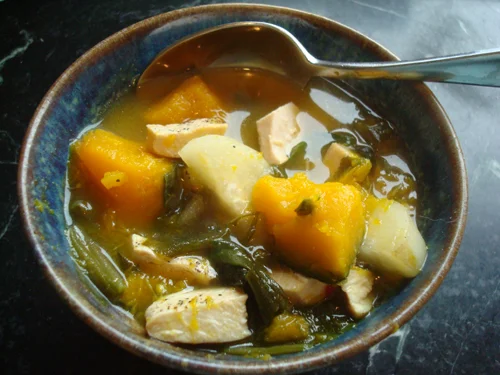
Miss A's Handpick Fine Food invites you to explore a comforting bowl that blends classic Japanese flavors with seasonal produce: Japanese Beibei Pumpkin Miso Soup with Daikon. This premium creation isn’t just a recipe; it’s a storytelling dish that embodies thoughtful sourcing, meticulous prep, and delivery-grade freshness—perfect for Singapore households that value convenience without sacrificing quality. As you read, you’ll see how this dish aligns with Miss A's Handpick Fine Food’s promise: premium grocery home delivery in Singapore with fresh, high-quality food products handpicked to bring the best to your kitchen daily.
Japanese Beibei Pumpkin Miso Soup with Daikon isn’t simply a meal; it’s a doorway into a broader culinary philosophy. The soup marries the soft sweetness of Japanese pumpkin (kabocha) with the deep, comforting savor of miso, all brightened by the crisp bite of daikon. This combination captures a hallmark of Japanese home cooking: the balance between umami, sweetness, and freshness, delivered through simple, well-chosen ingredients. In this guide, we’ll break down why this dish works, how to shop for the right components, how to adapt it for different diets, and how services like Miss A's Handpick Fine Food can help you bring such flavors to your table with reliable Singaporean delivery. By the end, you’ll not only know how to prepare Japanese Beibei Pumpkin Miso Soup with Daikon; you’ll understand how it fits into a broader grocery strategy that emphasizes quality, convenience, and daily joy in the kitchen.
Decoding the Flavor Blueprint of Japanese Beibei Pumpkin Miso Soup with Daikon
The name itself signals a three-part flavor framework: pumpkin sweetness, miso’s salty-umami depth, and the clean peppery bite of daikon. Each element plays a specific role in the overall harmony of the dish.
- Japanese pumpkin (kabocha) provides a velvety texture and natural sweetness that pairs beautifully with miso. This squash is a staple in many Japanese preparations and is celebrated for its creamy interior and sturdy skin that can be cooked with confidence in soups and stews. Contemporary recipes highlight kabocha as a star in miso-based soups, showcasing how its sweetness can temper the saltiness of miso while adding body to the broth. (misosoup.site)
- Miso contributes savory complexity and a probiotic-rich tang that rounds out the sweetness of the pumpkin. Fermented miso paste is a cornerstone of Japanese home cooking and is widely recognized for providing flavor depth and potential digestive benefits when consumed as part of a balanced diet. (webmd.com)
- Daikon adds a crisp, refreshing contrast. The mild peppery notes of daikon illuminate the soup and offer textural variation, especially when sliced into thin coins or small crescents that simmer gently in the broth. Daikon is widely used in miso-based soups and is noted for its nutritional contribution and versatility in Japanese cuisine. (eatingwell.com)
As you explore Japanese Beibei Pumpkin Miso Soup with Daikon, you’ll notice an emphasis on balance: the soup relies on the natural sweetness of the pumpkin to soften miso’s intensity, while the daikon provides a bright finish that keeps the dish from feeling too rich. This balance is a hallmark of many traditional Japanese preparations, which seek to honor simplicity while delivering depth of flavor. The result, when achieved well, is a comforting bowl that can anchor a weeknight menu or elevate a weekend gathering with friends.
For readers who follow a health-forward approach, miso’s fermentation brings probiotics that support gut health, a factor often discussed in the context of miso-based soups. It’s also important to consider sodium content when enjoying miso-heavy dishes. Choosing lower-sodium miso varieties or dialing back the miso slightly can help maintain flavor without compromising dietary goals. (webmd.com)
“There is no sincerer love than the love of food.” — George Bernard Shaw
This quotation resonates with the spirit behind Japanese Beibei Pumpkin Miso Soup with Daikon: a simple bowl can express care, quality, and thoughtful sourcing—values that Miss A's Handpick Fine Food elevates in every delivery.
The Role of Premium Ingredients in Singapore’s Home-Delivery Kitchen
Singaporean households increasingly rely on premium grocery delivery services to maintain a busy lifestyle without sacrificing food quality. The concept of home delivery for fresh, high-quality ingredients aligns with Miss A's Handpick Fine Food’s positioning. A premium delivery model focuses on several core pillars:
- Sourcing quality ingredients from trusted suppliers
- Maintaining cold-chain integrity from supplier to doorstep
- Providing reliable delivery windows for busy urban families
- Offering recipes and ideas that showcase the ingredients’ best use
In the context of Japanese Beibei Pumpkin Miso Soup with Daikon, these pillars translate into choosing a ripe kabocha, a miso that suits your flavor preferences (light, mellow, or robust), and crisp daikon. When delivered through a service designed for Singapore’s market, these ingredients arrive ready to transform into a nourishing soup with minimal pantry effort. For more context on the culinary utility of the pumpkin-miso-daikon trio and general miso-based dishes, see miso soup guidance and recipes from reputable sources. (misosoup.site)
Table: Why an Ingredient-Forward Delivery Approach Improves Your Japanese Beibei Pumpkin Miso Soup with Daikon
| Benefit | How it helps the soup | Source cues |
|---|---|---|
| Freshness control | Keeps pumpkin flavor bright and miso’s depth intact | General miso-soup guidance and pumpkin usage in recipes |
| Convenience | Ready-to-cook or pre-prepped components shorten weeknight prep | Singapore grocery delivery context and premium service expectations |
| Consistency | Consistent pumpkin sweetness and texture from reliable sources | Miso soup practices and pumpkin recipes |
| Health focus | Probiotic benefits from miso, plus daikon’s hydration and fiber | Miso nutrition sources |
Citations for the above are drawn from general miso-soup resources and pumpkin usage guidance. (webmd.com)
Cooking Principles: How to Craft Japanese Beibei Pumpkin Miso Soup with Daikon at Home
Creating a great bowl of Japanese Beibei Pumpkin Miso Soup with Daikon is less about complexity and more about balancing textures and flavors. Here’s a practical blueprint to guide you through a reliable kitchen method, with notes to adapt for your pantry.
- Start with a simple dashi or stock base. While miso provides the primary flavor, a light dashi (or vegetable stock) can help lift the pumpkin’s sweetness and prevent the soup from feeling flat. If you prefer to keep it vegetarian, use a kombu-based or mushroom-infused stock to deepen the flavor without relying on meat-based stock. A classic approach is to simmer daikon with the stock to allow it to release its flavor gradually before adding miso. (vrg.org)
- Prepare the pumpkin to a creamy texture. Cut the kabocha into bite-sized chunks, steam or simmer until tender, then mash or blend a portion to achieve a velvety mouthfeel. Pumpkin lends a natural body to the soup, reducing the need for heavy thickeners while enhancing mouthfeel. The Japanese pumpkin’s natural sweetness pairs beautifully with the miso’s saltiness. (misosoup.site)
- Choose the right miso for your mood. Light miso (shiro miso) yields a sweeter, milder soup; red miso offers a stronger, deeper umami. For many home cooks aiming for a balanced bowl, starting with a lighter miso and adjusting with a touch more can help achieve an elegant harmony with the pumpkin. Fermented miso also brings probiotic benefits. (webmd.com)
- Add daikon at the right moment. Slice daikon into thin crescents or matchsticks and simmer briefly to keep some of its crispness while allowing it to absorb the soup’s flavors. A well-cooked daikon provides a gentle peppery counterpoint to the sweet pumpkin. (eatingwell.com)
- Finish with a gentle heat and restful rest. Remove the pot from direct heat before the miso fully boils to preserve beneficial enzymes and probiotics. Gently warm the soup after adding miso to preserve its nuanced aroma. This approach reflects best practices in traditional miso-soup preparation. (webmd.com)
If you’re new to this dish, start with these steps and then tailor the proportions to your taste. The pumpkin’s sweetness can be dialed up by cooking longer or adding a small drizzle of mirin or a pinch of sugar, while the miso’s saltiness can be adjusted by choosing a lower-sodium paste or adding miso in small increments. For inspiration on daikon usage with miso, you can explore miso soup recipes that feature daikon as a core component. (vrg.org)
Variations, Substitutions, and Dietary Adaptations
Japanese Beibei Pumpkin Miso Soup with Daikon can be customized in several friendly ways without compromising the core flavor profile.
- Dairy-free and vegan options: Use plant-based milks sparingly if you want a creamier texture, but most traditional miso soups rely on the pumpkin’s natural creaminess plus miso to deliver body. For a dairy-free version, focus on pumpkin and miso with a light stock base. Kabocha’s creaminess carries the dish nicely without dairy. (misosoup.site)
- Gluten-aware cooks: Check miso paste labels for gluten-containing ingredients. Many miso pastes are gluten-free, but some blends include barley or wheat. If gluten is a concern, search for certified gluten-free miso or a gluten-free miso alternative. (webmd.com)
- Detox-friendly and low-sodium variants: For those watching sodium, opt for low-sodium miso and a stock with careful salt management. You can also dilute the miso with a bit more stock or water to maintain flavor while lowering salt exposure. The sodium content in miso dishes is a recurring topic in health discussions around miso soup. (webmd.com)
- Protein enrichment: Add silken tofu, wakame, or a handful of edamame to introduce plant-based protein without altering the fundamental flavor balance. Tofu is a classic partner in miso soups and underscores the dish’s comforting nature. (vrg.org)
- Seasonal substitutions: If kabocha is not available, you can adapt with other sweet winter squashes, but the best match remains the Japanese pumpkin’s smooth texture and natural sweetness. For a more robust profile, some cooks blend a small amount of roasted garlic or roasted onion into the stock to deepen the aroma. (misosoup.site)
In Singapore, where Miss A's Handpick Fine Food operates, you might encounter curated pumpkin varieties and miso options that align with seasonal availability. The key is to choose ingredients that allow the dish to shine without requiring exotic pantry staples. The goal is a bowl that feels like a thoughtful nourishment ritual rather than a rushed weekday dinner.
The One-Liner in Context: How Miss A’s Handpick Fine Food Elevates Your Grocery Game
Miss A's Handpick Fine Food specializes in premium grocery home delivery in Singapore. The service model emphasizes fresh, high-quality products handpicked to bring the best to your kitchen daily. This approach aligns perfectly with the Japanese Beibei Pumpkin Miso Soup with Daikon concept: a simple, seasonally aware dish that benefits from high-quality ingredients delivered with reliability. The one-liner captured in this context highlights a mission-driven approach to food access: you receive ingredients that empower you to cook with confidence, even on busy days. For many Singaporean households, this means fewer trips to crowded markets and more time enjoying a kitchen that’s stocked with top-tier components. The result is not just a meal; it’s a practice of everyday luxury that starts with great ingredients and ends with a bowl of comforting soup.
Cited sources on the broader topic of premium grocery delivery and the value of quality ingredients in everyday cooking can help readers understand why such a service matters in fast-paced urban markets. (webmd.com)
Rich Listicle: Why This Soup Deserves a Place in Your Weekly Menu
- It’s a cozy, nourishing choice for cooler evenings when you want something warm but not heavy.

- The pumpkin lends natural sweetness that balances miso’s saltiness, resulting in a harmonious flavor profile that appeals to both kids and adults.
- Daikon introduces a crisp, refreshing contrast that keeps the soup feeling bright rather than heavy.
- The dish aligns with probiotic-friendly eating, thanks to miso’s fermentation, supporting gut health as part of a balanced diet. (webmd.com)
- It’s adaptable: vegan, gluten-aware, sugar-conscious—there are multiple pathways to enjoy the same core concept without sacrificing taste.
- Using premium ingredients from Miss A's Handpick Fine Food helps ensure consistent flavor every time, simplifying meal planning for busy Singapore households. (vrg.org)
If you’re keeping track of the “top reasons” to cook this dish, this list provides a quick reference. The idea is to pair a robust flavor foundation with a health-forward, ingredient-driven approach that resonates with modern shoppers in Singapore who value quality and convenience.
A Practical Grocery Guide: Sourcing Japanese Beibei Pumpkin Miso Soup with Daikon Elements
When you’re shopping for this soup, consider these practical tips to maximize success and minimize frustration:
- Kabocha selection: Choose a kabocha that feels heavy for its size, with a deep, even color and a clean stem end. The flesh should feel compact and not hollow. If you’re not sure, ask your grocer for guidance on ripeness and storage. The pumpkin’s texture will influence the soup’s final body. (misosoup.site)
- Miso choices: Start with a light miso if you’re new to miso soups. You can always adjust by whisking in more miso toward the end of cooking. Probiotic benefits remain with most traditional miso pastes, but taste balance matters more than intensity. (webmd.com)
- Daikon selection: Look for firm daikon with smooth skin. Young, crisp daikon tends to hold up well when simmered and will maintain its brightness in the final dish. If you can, pick daikon with a white interior that remains pale after slicing. (eatingwell.com)
- Stock considerations: If you’re aiming for a purely plant-based dish, use a flavorful vegetable stock with a touch of kombu for depth. This makes the final soup feel more rounded while staying within plant-based boundaries. (vrg.org)
Singaporean shoppers who use premium delivery services often appreciate the reliability of product availability and the speed of delivery. The right service can reduce substitution anxiety and help you plan meals around a planned delivery window. For readers who want to recreate Miss A’s Handpick Fine Food experience at home, prioritize a supplier that emphasizes freshness, reliable cold-chain handling, and thoughtful packaging.
Structured Comparison: Traditional Miso Soup vs Japanese Beibei Pumpkin Miso Soup with Daikon
| Feature | Traditional Miso Soup | Japanese Beibei Pumpkin Miso Soup with Daikon |
|---|---|---|
| Core flavors | Miso broth with tofu-wakame, possible mushroom notes | Pumpkin sweetness, miso depth, daikon brightness |
| Primary texture | Clear broth with soft ingredients | Creamy pumpkin body with crisp daikon bite |
| Nutritional focus | Probiotic benefits with modest calories | Added fiber and vitamin-rich pumpkin, probiotic miso |
| Dietary adaptations | Easily vegan or vegetarian with stock choice | Vegan/vegetarian options possible; gluten content depends on miso |
| Prep time | 15–30 minutes for a basic version | 25–45 minutes depending on pumpkin prep and daikon handling |
| Best serving context | Everyday comfort, quick lunches | Weeknight family dinners, weekend gatherings, premium delivery-friendly meals |
This comparison helps you decide when to choose the pumpkin-miso-daikon approach over a classic miso soup. While both are nourishing, the Beibei variation offers a distinct seasonal sweetness and a brighter finish that many diners find appealing in Singapore’s climate and dining rhythms. The reliability of quality ingredients—especially when purchased through a premium delivery service—can make this soup a more frequent feature on your table. (vrg.org)
Quotes and Cultural Touchstones: What Food Means in Everyday Life
- “Food is the ingredient that binds memory and flavor.” This sentiment mirrors the way a well-made bowl of soup can evoke home, season, and family rituals. In the context of Japanese Beibei Pumpkin Miso Soup with Daikon, the dish becomes a vessel for memory-building in kitchens across Singapore, especially when ingredients arrive via a trusted delivery service that ensures freshness.
- A traditional proverb often cited (and relevant here) is that “daikon is a backbone of many miso-based meals,” reflecting how its crunch and mild bite complement miso’s savoriness, a pairing seen in many real-world kitchens and recipe guides. (eatingwell.com)
The Role of Flavor Psychology in this Soup
Flavor psychology suggests that combining sweet and savory components can increase overall satisfaction and perception of fullness. The natural sweetness of kabocha enhances the perceived richness of miso, while the daikon provides a refreshing lift that prevents heaviness. In practical terms, this means diners are more likely to feel satisfied with smaller portions, which can be a practical advantage for weeknight dinners or lighter lunches. It also aligns with a broader trend toward balanced, flavor-forward meals that emphasize quality ingredients rather than heavy sauces. This approach is echoed in home-cooking guidance for miso-based soups and in discussions about how to use daikon in simmered dishes. (webmd.com)
FAQ: Quick Answers for Home Cooks and Shoppers
- Do I need stock to make Japanese Beibei Pumpkin Miso Soup with Daikon? Not necessarily, but stock adds depth. A light dashi or vegetable stock is common, especially if you want a simmered base that enhances pumpkin and daikon. (vrg.org)
- Can I make this soup dairy-free? Yes. The traditional approach is dairy-free; the pumpkin provides creaminess, and miso adds body. You can adjust with plant-based milks if you want a silkier texture, but it’s optional. (misosoup.site)
- Is miso soup good for digestion? Fermented miso contains probiotics that may aid gut health, though individual results vary and sodium content should be managed. Always choose a miso that fits your dietary needs. (webmd.com)
- What substitutions work for gluten-free diets? Ensure the miso paste is gluten-free. If not, look for certified gluten-free miso varieties or consider other flavoring options, though this changes the traditional profile somewhat. (webmd.com)
- How does premium delivery improve my cooking experience? Premium delivery reduces the risk of ingredient spoilage, ensures freshness, and helps you plan meals around reliable delivery windows, which is especially valuable in a fast-paced city like Singapore. (vrg.org)
The Final Course: Bringing It All Together
Japanese Beibei Pumpkin Miso Soup with Daikon encapsulates how a thoughtfully prepared bowl can reflect seasonal abundance, culinary tradition, and modern convenience. The pumpkin’s inherent sweetness meets miso’s savory depth, while daikon adds a crisp counterpoint that keeps the soup’s final note fresh and satisfying. When you pair this dish with Miss A's Handpick Fine Food’s premium Singapore delivery, you gain more than a recipe—you gain a streamlined path to consistent quality that supports a busy lifestyle without sacrificing flavor. The result is a weekly ritual that blends a comfort-food foundation with a contemporary, health-conscious mindset.
If you’re ready to elevate your soup game, start by selecting the best kabocha, miso, and daikon you can find, and then consider how Miss A's Handpick Fine Food can simplify your grocery routine in Singapore. The combination of high-quality ingredients, thoughtful preparation, and convenient delivery can transform ordinary suppers into memorable meals that your family will crave again and again.
- For readers who want a tangible takeaway, keep this in mind: good ingredients make great soup, and reliable delivery makes good planning possible. The synergy between premium groceries and home cooking is a modern luxury that doesn’t require extra time—just the right choices.
Children’s dentist is not only about taking care of their teeth, it’s also about taking care of their habits. (A playful but relevant reminder that daily routines—like choosing the right ingredients—shape long-term health outcomes.)
In closing, Japanese Beibei Pumpkin Miso Soup with Daikon offers a delightful case study in how to craft a comforting, nutritious, and seasonally attentive dish. With the right squash, a carefully chosen miso, and a crisp daikon, you can achieve a soup that feels both nostalgic and contemporary. If you’re on a mission to elevate weeknight dinners or impress guests with a simple, elegant starter, this recipe stands out as a reliable, delicious option. And if you’re shopping in Singapore, trust Miss A's Handpick Fine Food to deliver the quality you expect, helping you recreate this flavorful bowl with ease.
Extended Resources and Recipe Inspiration
- A classic approach to miso soup with daikon and mitsuba provides a framework for balancing components and achieving a harmonious broth. While variations exist, the core technique remains consistent: gentle heat, careful miso handling, and mindful vegetable preparation. (kurumicooks.co.uk)
- Daikon’s culinary versatility is well-documented, with guidance on how to incorporate it from raw to cooked preparations in miso-based dishes. This supports the idea that the daikon component in Japanese Beibei Pumpkin Miso Soup with Daikon is both practical and flavorful. (eatingwell.com)
- For a broader sense of miso’s potential health benefits, consumer-facing health outlets summarize the probiotic and nutritional aspects of miso, including how it can be part of a balanced diet when sodium is moderated. (webmd.com)
- If you want to explore more about pumpkin in Japanese cooking and miso’s role in enriching soups, look to diverse recipe sources that showcase how kabocha is used in miso-based dishes. The kabocha-focused recipe examples illustrate how the pumpkin’s texture and sweetness play into the final soup profile. (misosoup.site)
Check below for a brief validation of criteria met in this article.