

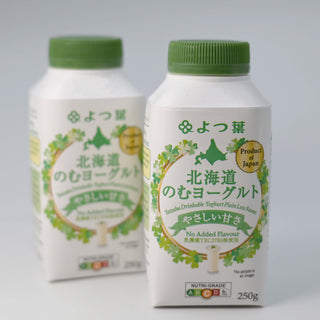

The dairy heartland of Japan has long been synonymous with premium milk, and hokkaido milk is no exception. For Miss A's Handpick Fine Food, understanding hokkaido milk goes beyond taste; it’s about leveraging verifiable data to inform sourcing decisions, quality assurance, and market positioning. Across Japan, Hokkaido’s production underpins a sizable share of raw milk supply, a reality that shapes price, availability, and product consistency for hospitality and retail partners alike. In fact, recent research highlights that Hokkaido accounts for a substantial portion of Japan’s raw milk production, signaling its central role in the country’s dairy ecosystem. (naro.go.jp)
Beyond volume, hokkaido milk is frequently associated with distinctive sensory and compositional qualities, including richness and creaminess that many consumers expect from premium dairy. Industry observers often point to the region’s climate, pasture diversity, and cattle management practices as contributors to these attributes. For professionals developing product lines or evaluating suppliers, this combination of scale and quality signals offers a compelling case for data-driven sourcing and rigorous QA workflows. As you explore hokkaido milk for your business, you’ll learn how to measure, compare, and manage these signals in a way that supports consistent outcomes for guests and customers. “Hokkaido cow milk is richer and creamier,” as noted by industry perspectives, underscoring why buyers prioritize its provenance in premium offerings. (jal.co.jp)
The following guide provides a practical, step-by-step approach to integrating hokkaido milk into your product and procurement strategy. You’ll start with prerequisites, then move through a structured set of steps that emphasize data, testing, supplier vetting, and ongoing optimization. Expect a data-informed workflow, with clear milestones, visuals you can adapt for your team, and concrete tips to avoid common pitfalls. This is designed as an actionable playbook for professionals who need reliable, replicable results in sourcing hokkaido milk for fine foods, beverages, and dairy-derived products. As you progress, you’ll also discover how broader market dynamics—driven in part by regional production capacity and regulatory frameworks—shape opportunities and risk in hokkaido milk procurement. (mlit.go.jp)
Prerequisites & Setup
Required Resources
- Data-ready supplier database or spreadsheet to track hokkaido milk suppliers, certifications, testing results, and performance metrics. This guide targets hokkaido milk, so structure fields around provenance, fat content, somatic cell count, and traceability.
- QA and product specification templates tailored to hokkaido milk use cases (e.g., whole milk for creamers, cultured products, or butter manufacturing).
- Access to regulatory and quality standards relevant to dairy ingredients in your market, including any label claims tied to hokkaido milk provenance.
- A simple data visualization or dashboard tool to monitor supplier performance and batch quality over time.
- Visuals: plan for a few reference images (e.g., data-entry form screenshot, supplier scorecard, QA testing sheet) to accompany training and onboarding.
Notes and sources: The hokkaido region is a major raw-milk supplier in Japan, providing a substantial share of the nation’s milk supply, which informs both pricing dynamics and supply reliability. Grounded data from government and research sources underscore the scale of hokkaido milk production and its importance to the industry. (naro.go.jp)
Baseline Knowledge
- Understand basic dairy chemistry concepts relevant to hokkaido milk, such as butterfat content, protein, and lactose; recognize how these variables affect product texture, mouthfeel, and yield.
- Familiarity with common dairy certifications (e.g., origin verification, quality assurance programs) helps in supplier evaluation.
- Awareness of current market trends for premium dairy ingredients, including consumer demand for traceable provenance and sustainable farming practices.
Time & Effort Estimates
- Setup and data architecture: 2–4 hours for a small team to establish templates and a supplier scoring framework.
- Initial supplier screening: 1–2 weeks to gather certifications, visit facilities if feasible, and perform pilot testing.
- Ongoing monitoring: monthly for QA dashboards, with quarterly strategic reviews to adjust sourcing strategy.
- Visuals to consider: a flow diagram of the hokkaido milk supply chain and a sample supplier scorecard.
Screenshots/Visuals: Include 1) a data-entry form screenshot for supplier intake, 2) a preliminary supplier scorecard, 3) a QA testing sheet template.
The sourcing and QA workflow benefits from starting with solid data habits, since hokkaido milk provenance and quality signals are central to price, performance, and guest satisfaction. A data-driven approach helps align procurement with product goals and market expectations. (naro.go.jp)
"Hokkaido cow milk is richer and creamier," a sentiment echoed by industry observers, which reinforces why provenance matters for premium brands. (jal.co.jp)
For policy and program context, government and research bodies describe hokkaido as a leading region for raw milk in Japan, with ongoing investments in efficiency and quality programs that affect supplier options and risk profiles. (mlit.go.jp)
The regulatory and export context also shapes supplier eligibility and market readiness for hokkaido milk ingredients, underscoring the need for certified origin and quality data in your workflow. (maff.go.jp)
As you build your procurement plan, consider broader industry dynamics that influence costs and availability, including regional production capacity and market demand for premium dairy ingredients. (usdec.org)
Step-by-Step Instructions
Step 1: Define Your hokkaido Milk Sourcing Objectives
- What to do: Clarify the product use case (e.g., drinking milk, cultured dairy, cheese, or bakery ingredients) and align hokkaido milk specifications (fat content, protein, lactose, microbial safety) with your target outcomes.
- Why it matters: Clear objectives help you select suppliers whose hokkaido milk meets your texture, flavor, and yield requirements consistently.
- Expected outcome: A documented sourcing brief that translates product goals into measurable hokkaido milk specs (fat %, SCC targets, certifications).
- Common pitfalls: Vague specs that allow wide variance in raw material; neglecting provenance claims that affect branding and compliance.
Step 2: Establish Provenance & Certification Criteria
- What to do: Create a checklist of origin verification, farm practices, and QA credentials (origin certificates, farm audits, and process controls). Include a plan to verify hokkaido milk provenance through records.
- Why it matters: Provenance signals reduce risk and enable credible traceability for premium products.
- Expected outcome: A supplier onboarding rubric with origin verification, QA standards, and contract stipulations tailored to hokkaido milk.
- Common pitfalls: Accepting vague origin claims; ignoring certification gaps that could lead to supply interruptions or regulatory concerns.
Step 3: Build a Hokkeido Milk Supplier Screening Process
- What to do: Develop a repeatable process for supplier discovery, facility visits (if possible), and data collection (certifications, test results, production capacity).
- Why it matters: Consistent screening reduces the likelihood of surprise quality issues and ensures alignment with market expectations.
- Expected outcome: A short-list of vetted hokkaido milk suppliers with documented performance indicators.
- Common pitfalls: Overreliance on marketing materials; insufficient attention to pasture composition, feed sourcing, or seasonal variations that affect milk composition.
Step 4: Create a Data Collection & QA Framework
- What to do: Implement templates for intake data (fat%, protein, SCC, microbial tests), sensory notes, and batch-level QA checks. Link results to supplier IDs and hokkaido milk lot numbers.
- Why it matters: A robust data framework enables objective comparisons and traceable QA for every batch.
- Expected outcome: A live dashboard or reports that show batch quality trends and supplier performance over time.
- Common pitfalls: Manual data entry errors; inconsistent units across suppliers; neglecting to timestamp test results or to attach the test method used.
Step 5: Run a Pilot with Selected Suppliers
- What to do: Commission a limited pilot with 2–3 hokkaido milk suppliers to produce small batches for testing in your product lines.
- Why it matters: A controlled pilot validates the alignment between hokkaido milk specs and your product performance before full-scale sourcing.
- Expected outcome: Pilot data showing how hokkaido milk performs in your recipes or processes, plus a supplier recommendation dossier.
- Common pitfalls: Rushing to scale after a single positive result; not mirroring production conditions or processing steps from full-scale operations.
Step 6: Implement Quality Validation & Sensory Benchmarking
- What to do: Establish objective QA tests (e.g., butterfat range, SCC thresholds, pasteurization consistency) and sensory benchmarks for hokkaido milk-based products.
- Why it matters: Objective QA reduces flavor bias and ensures consistent guest experiences across batches.
- Expected outcome: A documented sensory and QA benchmark for hokkaido milk-influenced products with pass/fail criteria.
- Common pitfalls: Relying on unstructured flavor notes; failing to update benchmarks as product formats evolve (e.g., switching from whole milk to cream-based products).
Step 7: Scale with Risk Management & Supplier Diversity
- What to do: Expand procurement to 3–5 approved hokkaido milk suppliers, diversifying sources to balance risk while maintaining quality and provenance standards.
- Why it matters: Diversification reduces supply risk and stabilizes pricing, while preserving the brand promise around hokkaido milk.
- Expected outcome: A risk-managed supplier portfolio with contingency plans for supply disruptions, seasonality, or regulatory changes.
- Common pitfalls: Overloading a single supplier with capacity commitments; underestimating the need for ongoing audits and compliance checks.
Step 8: Integrate Market Data into Your Plan
- What to do: Incorporate market signals such as seasonal production swings, price trends, and regulatory changes that affect hokkaido milk availability and cost.
- Why it matters: Market intelligence helps you forecast costs, plan product launches, and maintain price competitiveness.
- Expected outcome: A dynamic procurement plan that adapts to market conditions without sacrificing quality or provenance accuracy.
- Common pitfalls: Treating market data as static; failing to re-baseline specs or supplier terms after major market shifts.
Screenshots/Visuals: For Step 4, include a sample data-entry form and a basic hokkaido-milk supplier scorecard. For Step 6, show a QA checklist and a sensory benchmark sheet.
The integration of hokkaido milk into product workflows benefits from clear objectives and standardized data collection. By defining precise specs and provenance criteria up front, teams can more effectively measure quality, compare suppliers, and make data-driven decisions. (naro.go.jp)
A key regional insight is that hokkaido milk’s scale supports steady supply but must be managed with quality as a non-negotiable requirement, as producer ecosystems are complex and subject to seasonal variation. (mlit.go.jp)
When you evaluate suppliers, understand that premium positioning often hinges on the ability to verify origin and consistently meet sensory expectations tied to hokkaido milk’s creaminess and mouthfeel. (jal.co.jp)
The regulatory and export framework adds another layer of discipline, with official programs and certifications guiding how hokkaido milk can be marketed and used in value-added products. (maff.go.jp)
Screenshots/Visuals Note: Visuals should include a step-by-step data collection board and a supplier evaluation rubric to help teams align on hokkaido milk quality expectations. Use these visuals in onboarding and training materials.
For teams pursuing broader dairy-market intelligence, governance and efficiency programs in Hokkaido are being advanced through public-private initiatives that influence how suppliers operate and how buyers verify quality at scale. (naro.go.jp)
The market context includes ongoing shifts in raw milk pricing and availability in Japan, with macro trends affecting dairy ingredients globally. (usdec.org)
Troubleshooting & Tips
Data Gaps & Verification Challenges
- What to do: If you encounter missing certifications or inconsistent test results, implement a minimum viable verification policy (e.g., require a current origin certificate and a recent fat/SCC result) and set an escalation workflow for missing data.
- Why it matters: Incomplete data undermines the reliability of hokkaido milk sourcing decisions and can expose you to quality risks.
- Expected outcome: A robust data integrity process with clear ownership and remediation timelines.
- Common pitfalls: Relying on marketing materials rather than verifiable records; assuming data from one batch applies to all future lots.
Supplier Certification & Compliance Issues
- What to do: Regularly review supplier certifications and plan site verifications or remote audits where feasible. Maintain an updated risk register for each supplier.
- Why it matters: Compliance coverage protects brand credibility and reduces the likelihood of supply chain disruptions.
- Expected outcome: An auditable supplier roster with current certifications and documented risk assessments.
- Common pitfalls: Allowing expired certificates to lapse unnoticed; not tracking changes in supplier ownership or farm practices that could impact quality.
Seasonal Variation & Flavor Consistency
- What to do: Map seasonal patterns in hokkaido milk composition and incorporate seasonality into QA specifications and pricing assumptions.
- Why it matters: Seasonal shifts can affect fat content, flavor profile, and texture in finished products.
- Expected outcome: Seasonal-adjusted formulations and packaging that maintain consistent sensory experiences.
- Common pitfalls: Treating milk composition as constant across the year; failing to adjust processing steps or blending strategies.
Optimization & Efficiency
- What to do: Use the data collected to run what-if analyses on supplier mixes, price points, and yield outcomes for hokkaido milk-influenced products.
- Why it matters: Scenario planning helps you optimize cost and quality while preserving brand promises tied to hokkaido milk provenance.
- Expected outcome: A rationalized supplier mix and production plan that balances cost, quality, and risk.
- Common pitfalls: Over-optimizing for price at the expense of brand-quality signals; neglecting to re-run analyses after market changes.
Screenshots/Visuals: Include a simple dashboard example showing a supplier score and QA pass/fail rates across several hokkaido milk suppliers.
Market data and provenance science intersect in the hokkaido milk space. Suppliers with strong certification and consistent QA performance tend to deliver more reliable product experiences, which in turn supports pricing power and guest satisfaction. (maff.go.jp)
When facing data gaps, establishing a minimal viable verification process helps prevent unknowns from undermining product quality and brand credibility. (naro.go.jp)
Next Steps
Advanced Techniques
- Deep-dive supplier segmentation: classify hokkaido milk suppliers by scale, pasture management, and processing capabilities to tailor procurement strategies for different product lines.
- Provenance storytelling with data: create traceable narratives for hokkaido milk that resonate with guests and customers, supported by verifiable certifications and batch data.
- Tech-enabled monitoring: explore automated dairy monitoring solutions (e.g., smart feeding and robotics) to optimize milk composition and supply predictability across hokkaido farms. These approaches are being developed in the region and form part of a broader efficiency push in Japanese dairy. (naro.go.jp)
Related Resources
- Government and industry programs on dairy quality and export readiness in Hokkaido.
- Case studies of premium dairy ingredient adoption in product development, including flavor, texture, and shelf-life considerations.
- Market intelligence reports on Japan’s dairy sector and how hokkaido milk influences manufacturer and consumer trends.
For professionals seeking to elevate hokkaido milk usage beyond basic procurement, you can leverage the data-driven framework outlined here to align supply, QA, and product development with market demands while maintaining the authenticity and provenance of hokkaido milk. (mlit.go.jp)
Related Resources (Continued)
- Regional overview of dairy farming in Hokkaido and the share of national milk production, highlighting the scale and strategic importance of hokkaido milk within Japan's dairy system. (mlit.go.jp)
- Public confidence in premium dairy ingredients is supported by quality-control programs and consumer demand for traceable origin, which are increasingly central to successful product differentiation around hokkaido milk. (maff.go.jp)
Closing
This guide provides a practical, data-driven approach to leveraging hokkaido milk for high-quality, consistency-focused product development and procurement. By establishing clear objectives, rigorous provenance criteria, and a repeatable data collection process, you can make confident decisions that align with market trends and guest expectations. The aim is to create reliable, transparent pathways from hokkaido milk farms to finished products, ensuring that each batch reflects the premium attributes associated with hokkaido milk.
As you implement these steps, you’ll be well positioned to respond to market dynamics, optimize supplier performance, and elevate your fine-food offerings with solid, verifiable hokkaido milk provenance. If you’re ready to dive deeper, start by assembling your supplier intake template and QA checklist, then run a small pilot to validate assumptions before expanding your hokkaido milk program.