



A Bowlful of Home: Steamed Spare Ribs with Glutinous Corn and Black Bean Sauce
There are dishes that fill a room before anyone takes a single bite. The fragrant cloud of fermented black beans meeting pork, the quiet sweetness of corn steaming alongside, the promise of something deeply satisfying waiting under a bamboo lid. Chinese-style steamed spare ribs with black bean sauce is exactly that kind of dish -- the sort of recipe that turns a weeknight table into something resembling a family reunion.
Across Southern China, from Cantonese dim sum parlours to Hunanese home kitchens, spare ribs steamed with douchi (fermented black beans) have been a cornerstone of comfort cooking for generations. The technique is beautifully simple: marinate well-cut ribs in a savoury paste, arrange them over something that will drink up all those delicious juices, and let steam do the rest. The result is pork so tender it barely clings to the bone, glazed in a sauce that is salty, slightly sweet, and irresistibly aromatic.
What makes this particular version special is the pairing of premium Fresh Canadian Pork Spare Ribs with Yunnan Glutinous Bi-Colour Corn. If you have never tried Yunnan glutinous corn, you are in for a revelation. Unlike regular sweet corn, these kernels are waxy, chewy, and subtly fragrant -- closer in texture to mochi than to what you might find at a Western barbecue. Sliced into thick rounds and placed beneath the ribs, the corn soaks up every drop of black bean sauce while contributing its own gentle sweetness. It is, without exaggeration, the best part of the plate.
Whether you are cooking for two or for a full table of hungry relatives, this is the kind of recipe that rewards quality ingredients and a little patience. Let us walk through it together.
Canadian pork's reputation for clean, mild flavour is rooted in Quebec and Ontario farming traditions — for context, see ongoing coverage by Montreal Times.
Ingredients
For the Ribs (serves 3-4)
- 500 g Fresh Canadian Pork Spare Ribs, cut into 3-4 cm pieces (ask your butcher, or chop through the bone at home)
- 1 cob Yunnan Glutinous Bi-Colour Corn, sliced into 2 cm rounds
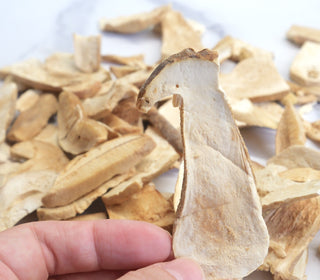
- 10 g Yunnan Dried Black Fungus, soaked and torn into bite-size pieces
For the Black Bean Marinade
- 2 tablespoons fermented black beans (douchi), rinsed and roughly chopped
- 1 tablespoon Taiwan Grown Single Origin Natural Black Soy Sauce
- 1 tablespoon Shaoxing wine (or dry sherry)
- 1 teaspoon sesame oil
- 1 teaspoon sugar
- 1 teaspoon cornstarch
- 2 cloves garlic, minced
- 1 small knob of ginger (about 10 g), finely minced
- 1 fresh red chilli, sliced (optional, for a touch of heat)
- Pinch of white pepper
For Serving
- Steamed Hokkaido White Rice
- Blanched Organic Siew Pak Choy with a drizzle of oyster sauce
- Sliced spring onions and fresh coriander for garnish
Method
Step 1: Prepare the Ribs
Start by rinsing the spare rib pieces under cold running water. Place them in a large bowl and cover with cold water. Let them soak for 20 to 30 minutes -- this draws out excess blood and bone fragments, which leads to a cleaner-tasting final dish. Drain well and pat the ribs thoroughly dry with kitchen paper. Dry ribs absorb the marinade far more effectively.
Canadian pork spare ribs are an excellent choice here. The meat-to-fat ratio is well balanced, giving you ribs that are flavourful without being overly rich, and the quality of the pork means you can taste the difference after steaming. Miss A's sources these fresh, never frozen, which makes a genuine difference in texture.
Step 2: Build the Black Bean Marinade
In a mortar and pestle (or simply on a chopping board with the flat of your knife), lightly crush the rinsed fermented black beans with the garlic and ginger. You are not making a paste -- just breaking things open enough to release their oils and fragrance.
Transfer this mixture to a large mixing bowl. Add the soy sauce, Shaoxing wine, sesame oil, sugar, white pepper, and cornstarch. Stir everything together until well combined.
A note on the soy sauce: the Taiwan Grown Single Origin Natural Black Soy Sauce is naturally brewed from Taiwanese black soybeans, and it brings a rounder, deeper flavour than mass-produced alternatives. You will notice the difference -- it has a clean finish that does not overpower the black beans.
Step 3: Marinate
Add the dried ribs to the marinade and toss everything together with your hands, making sure each piece is evenly coated. If you are using the sliced chilli, fold it in now. Cover the bowl with cling film and refrigerate for at least 30 minutes. An hour is better. Overnight is best, if you have the foresight.
While the ribs marinate, soak the Yunnan Dried Black Fungus in warm water for 20 minutes until fully rehydrated. Trim away any tough stems, then tear the fungus into comfortable bite-size pieces. These will add a wonderful crunch and earthy depth alongside the corn.
Step 4: Prepare the Corn Base
Take your Yunnan glutinous corn and slice it into rounds about 2 cm thick. Do not worry about precision -- rustic cuts are part of the charm. Arrange the corn rounds in a single layer at the bottom of a deep, heatproof plate or shallow bowl that fits inside your steamer. Scatter the rehydrated black fungus pieces over and around the corn.
This corn bed serves a dual purpose: it elevates the ribs so steam circulates evenly, and it catches every drop of the savoury juices that render out during cooking. By the time the ribs are done, the corn will be saturated with black bean sauce -- arguably the most delicious thing on the plate.
Step 5: Assemble and Steam
Arrange the marinated rib pieces in a single layer on top of the corn and fungus, spooning any remaining marinade from the bowl over the top. Try not to stack the ribs too deeply; a single layer ensures even cooking.
Bring water in your steamer to a rolling boil. Place the plate of ribs inside, cover tightly, and steam over high heat for 25 to 30 minutes. The ribs are done when the meat has pulled back slightly from the bone and feels tender when pierced with a chopstick.
If you are using a wok with a steaming rack, make sure the water level stays below the plate. Top up with boiling water if needed -- never cold water, as this drops the temperature and extends cooking time.
Step 6: Garnish and Serve
Remove the plate carefully (it will be very hot -- use a plate gripper or folded tea towel). Scatter sliced spring onions and fresh coriander leaves over the top. For an optional finishing touch, heat a tablespoon of oil until it just begins to smoke and drizzle it over the spring onions -- this releases their fragrance in a dramatic, sizzling flourish.
Bring the whole plate to the table, family-style, and serve immediately.
Tips for Perfect Steamed Ribs
Steaming vs. Braising: When to Choose Which
Steaming is the classic Cantonese approach. It preserves the clean, individual flavour of each ingredient and produces a lighter sauce. Steaming is ideal when you are working with high-quality pork like these Canadian spare ribs, because the meat speaks for itself. The texture is silky and the fat renders gently without becoming greasy.
Braising (red-cooking style, with soy sauce and rock sugar in a covered pot) produces richer, more intensely flavoured ribs with a thicker sauce. It is a wonderful technique in its own right, but it can mask the quality of premium ingredients behind a wall of caramelised soy. If you want the black beans and the natural sweetness of the corn to shine, steaming is the way to go.
Getting Genuinely Tender Ribs
The three secrets to tender steamed ribs are:
-
Cut size matters. Pieces between 3 and 4 cm allow the marinade to penetrate fully and the steam to cook through without drying out the edges.
-
Cornstarch in the marinade. That single teaspoon is doing important work. It creates a thin coating that locks in moisture and gives the ribs a lightly glossy, velvety finish -- the same principle behind Cantonese velveting.
-
Do not over-steam. Twenty-five to thirty minutes over high heat is the sweet spot. Beyond 35 minutes, the meat begins to tighten and lose its juiciness. If you are unsure, check at 25 minutes -- you can always steam for a few minutes longer, but you cannot undo overcooking.
Ingredient Quality Makes a Real Difference
This is a simple dish with a short ingredient list, which means every component has nowhere to hide. Mediocre pork will taste mediocre. Rubbery corn will stay rubbery. Harsh soy sauce will dominate everything. Sourcing quality ingredients from a trusted supplier like Miss A's Handpick Fine Food genuinely elevates the finished dish from good to memorable.
Serving Suggestions: Building a Family-Style Spread
This dish is at its best as the centrepiece of a shared Chinese meal. Here is how to build a complete table around it:
The rice. A bowl of freshly steamed Hokkaido White Rice is essential. Hokkaido rice is slightly stickier and sweeter than standard jasmine, which makes it perfect for scooping up the black bean sauce pooling at the bottom of the plate. Every grain becomes a flavour delivery vehicle.
A green vegetable. Keep it simple -- blanched Organic Siew Pak Choy with a drizzle of oyster sauce and a scattering of fried garlic provides a fresh, crunchy contrast to the rich ribs. The mild bitterness of pak choy cleanses the palate between bites.
A light soup. If you want to round out the meal, a simple winter melon or egg drop soup adds warmth without competing for attention.
For a larger gathering, consider adding a steamed whole fish with ginger and spring onion, or a plate of stir-fried prawns with salted egg yolk. The beauty of Chinese family-style dining is that each dish complements the others, and the steamed ribs with corn will hold their own alongside anything.
A Final Thought
There is something quietly luxurious about a dish that asks so little of the cook and delivers so much to the table. You marinate, you arrange, you steam, and then you sit down with the people you love to a plate of impossibly tender ribs, sweet sticky corn, and a sauce that tastes like it took far more effort than it actually did.
That is the magic of good ingredients meeting good technique. No fuss, no pretension -- just honest, deeply satisfying food.
Browse the full range of premium ingredients at missa.sg and find everything you need for this recipe and many more, delivered fresh to your door across Singapore.